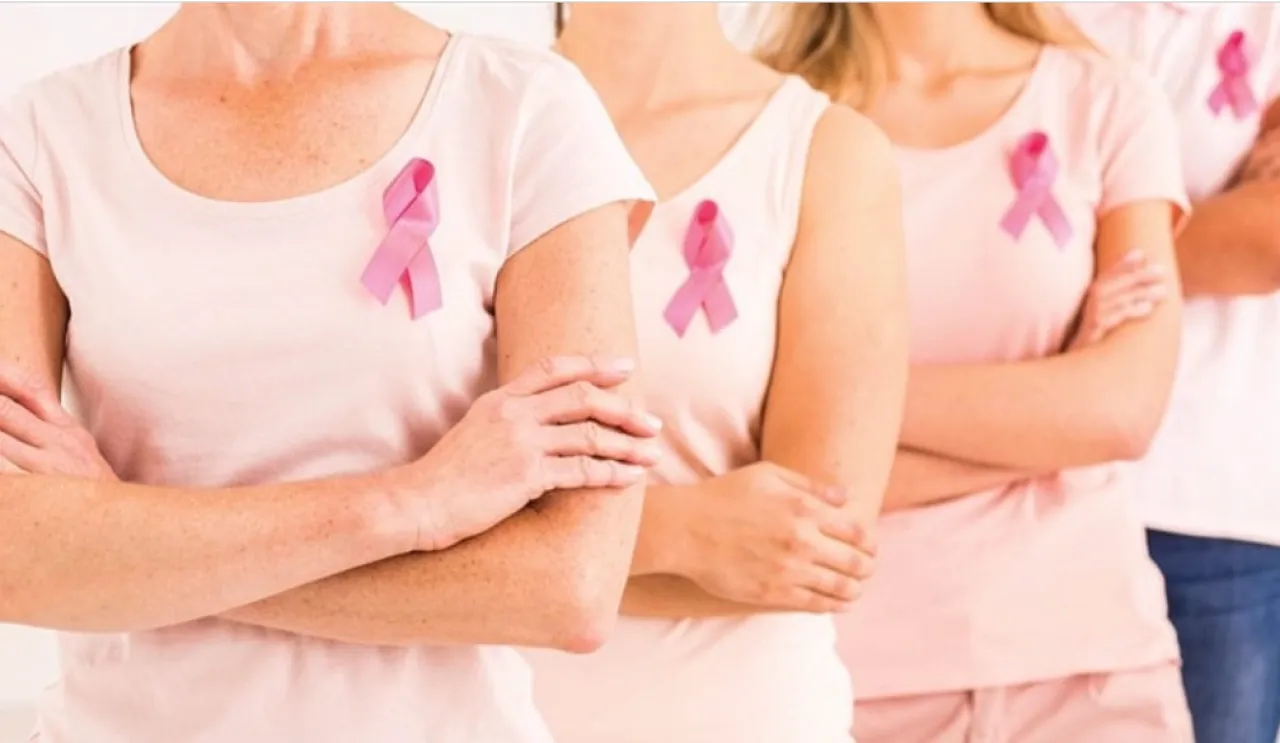
Khaberni - Globally, the World Health Organization estimated that in 2022, about 2.3 million new cases of breast cancer and 670,000 deaths were recorded, and forecasts for 2050 indicate an increase in cases to 3.2 million new cases and 1.1 million deaths annually, if current trends continue.
Answering the question: Is there a possibility to prevent breast cancer? Dr. Shelly Lu, a breast cancer specialist at the "Rush MD Anderson" University Cancer Center, answers that prevention is possible.
Risk Factors
She adds: "There are some risk factors that cannot be controlled, such as age, having a family history of breast cancer or other types of cancer, or having a genetic mutation for breast cancer", and "but there are lifestyle changes that may reduce the risk of breast cancer and maintain your health".
According to "Medical Express", Lu shares the risks that women, in particular, should be aware of, and they include the following common risk factors:
Age
Research shows that women, especially between the ages of 50 and 74, can reduce the risk of death from breast cancer by regularly undergoing screenings.
According to Dr. Lu, the timing of the first menstrual cycle or the timing of menopause affects breast cancer risk because it changes the amount of estrogen the body is exposed to over time.
She explains: "Timing is a crucial factor. Therefore, having an early first menstrual cycle at a young age and entering menopause at a later age both increase the risk of breast cancer".
For example, having an early first menstrual cycle - before the age of 12 - or late menopause - after the age of 55 - prolongs the body's exposure to estrogen.
Similarly, the timing of having children. If a woman has her first child after 30 or does not complete pregnancy, these factors may also increase the risk of breast cancer.
Family Health History
On average, 12% to 13% of women will be diagnosed with breast cancer during their lifetime. However, if there is a family history of it, or a genetic mutation, such as BRCA1 or BRCA2 genes, the risk of breast cancer is much higher, reaching 50% to 80%.
Lu says: "It is important to consider genetic testing if a woman is aware of a family history with breast cancer".
She suggests screening with automated ultrasound, or breast MRI, as these options detect cancer early.
Food
• The Mediterranean diet: Lu suggests that: "Following the Mediterranean diet is associated with a slight decrease in the risk of breast cancer. This diet reduces inflammation, and anything that can reduce inflammation in the body is beneficial and considered healthy."
• Sugar and processed foods: Although cancer cells use sugar for energy, reducing sugar intake from your diet does not directly reduce the risk of breast cancer. Instead, Lu suggests limiting the amount of sugary and processed foods you consume and maintaining a healthy weight.
• Dietary supplements: Lu says that although taking multivitamins regularly is fine, most women do not need additional supplements if they follow a balanced diet.
She adds: "Some dietary supplements can act like estrogen and interfere with breast cancer treatments, so always consult your doctor before starting them".
Physical Activity
Regular activity can support health and help reduce the risk of breast cancer.
Lu advises practicing at least 150 minutes of moderate exercise, such as brisk walking, or 75 minutes of vigorous exercise, such as running, weekly.
She says: "It is important that the movement is regular, following a feasible routine".
Quitting smoking and electronic smoking
While smoking and electronic smoking may slightly increase the risk of breast cancer, they are associated with a number of other types of cancer, such as lung, throat, cervical, pancreatic, bladder, and kidney cancers.