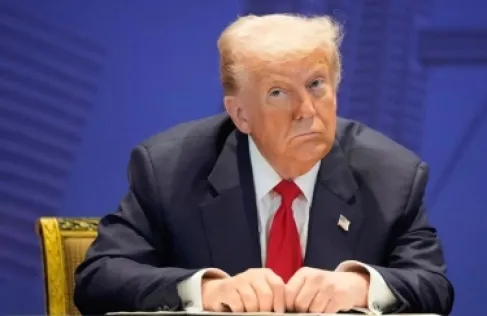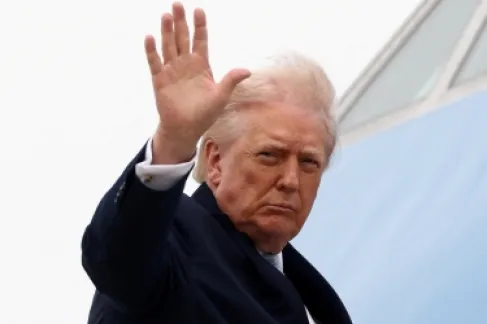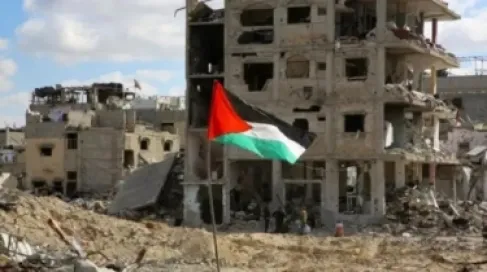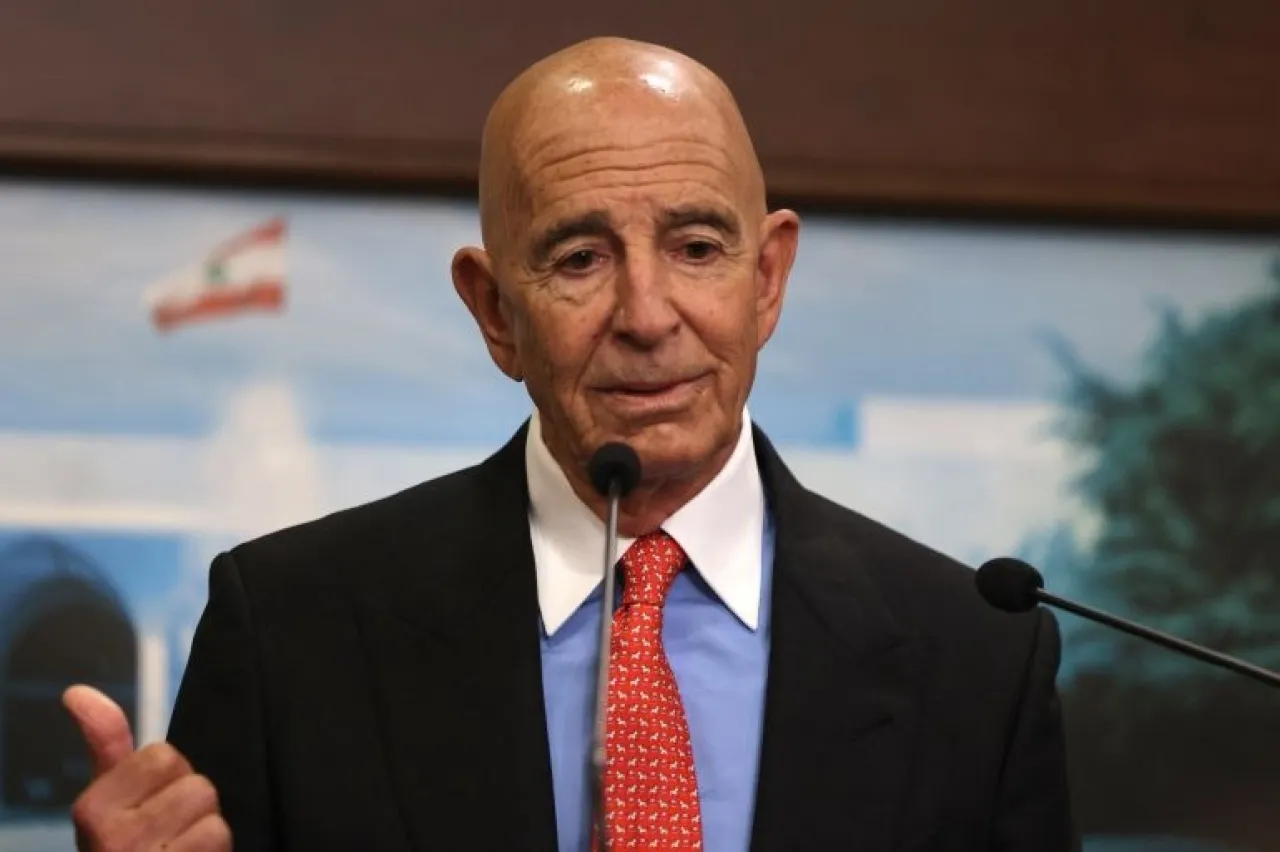
Khaberni - U.S. Ambassador to Turkey and Special Envoy to Syria Tom Brak confirmed that the Sharm el-Sheikh Peace Summit was a historic turning point in the peace process in the Middle East, noting that the leaders gathered did not only agree on a ceasefire in Gaza, but "adopted President Donald Trump's 20-point vision for reconstruction and regional prosperity."
Brak, in a post on his (X) page on Monday, stated that what began as a truce in Gaza has evolved into a "new partnership in the Levant," emphasizing that stability is no longer imposed by force but built on shared opportunities, and that Arab, Islamic, and Western countries have unanimously condemned terrorism in the region for the first time in decades.
He explained that Syria represents the missing piece in the peace puzzle, calling for the repeal of the Caesar Law which "achieved its moral purpose against the former regime but is stifling a nation striving to rise today."
Brak added that Syria, after forming its new government in December 2024, "is no longer as before" as it has resumed its relations with Turkey, Saudi Arabia, the UAE, Egypt, and Europe, and has started border talks with Israel.
He noted that President Trump announced the lifting of sanctions on Syria from Riyadh in May 2025, before issuing an executive order in June to cancel them, considering this a "shift from punishment to partnership."
He affirmed that lifting sanctions "is not charity but a strategy" because it allows investment in rebuilding infrastructure, enhances stability, and reduces extremism.
* "Northern Israeli security"
On Lebanon's issue, Brak said that Syria's stability forms the first pillar of "Northern Israeli security," while the second pillar is the disarmament of Hezbollah and the start of border talks with Israel.
He explained that the 2024 ceasefire agreement failed due to a lack of execution mechanism and continued financing from Iran to militants, making Lebanon experience "a fragile calm without peace."
Brak added that Washington presented a “last chance” plan to gradually disarm Hezbollah in exchange for economic incentives, but it was halted due to the party's influence within the Lebanese government.
He warned that Beirut's hesitation to act might push Israel to move unilaterally, affirming that disarming the party "is not only a security demand for Israel but also an opportunity for Lebanon to regain its sovereignty and revitalize its economy."
He also alerted to the possibility that Hezbollah might seek to delay the 2026 elections under the pretext of national security if it faced an Israeli attack, considering that it "would lead to new political, sectarian chaos, and institutional collapse."
Brak confirmed that Trump’s “Ten Point Plan” paved the way for expanding the Abraham Accords to include the Levant countries, explaining that Iran is now weaker and Saudi Arabia is nearing joining, making regional integration closer than ever.
In conclusion of his article, he announced that the new U.S. ambassador to Lebanon, Michelle Issa, would arrive in Beirut next month to help face the political challenges, affirming: "The time is now for Lebanon to act."