Khaberni - A high-level UN delegation has arrived in Jordan, on an official visit aimed at discussing enhancing cooperation with national partners, and observing the progress of programs and projects in various regions of the kingdom, supported by the United Nations.
The United Nations Development Programme, in a statement on Sunday, said that the delegation includes members from the Executive Board of the Programme, the United Nations Population Fund, and the United Nations Office for Project Services.
The statement added that the visit follows the approval by the Executive Board of new strategic plans for the three organizations for the next four years, which renews their commitment to supporting Jordan's developmental priorities and its national agenda, and enhancing the existing partnership with the government and national institutions.
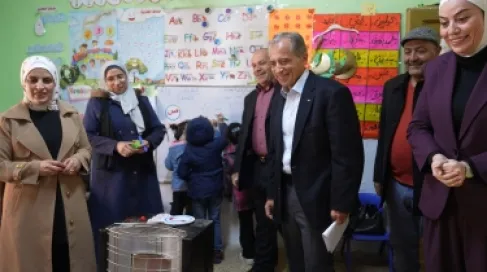
It mentioned that the delegation, during its visit, will hold meetings with a number of ministries and official institutions, in addition to field tours that include Amman, Madaba, Karak, Aqaba, and the Zaatari refugee camp for Syrian refugees, to observe the most prominent initiatives and programs implemented in partnership with local community institutions.
It confirmed that the visit embodies the depth of strategic cooperation between Jordan and the United Nations system, and the role of this cooperation in supporting the journey of sustainable development, and enhancing national resilience and expanding the scope of inclusivity in developmental programs, as it also provides an opportunity to showcase field achievements, and exchange expertise with members of the Executive Board in the areas of planning and strategic guidance.
The United Nations Development Programme, the United Nations Population Fund, and the United Nations Office for Project Services are among the most prominent arms of the United Nations operating in Jordan, where they implement long-term programs concerned with supporting the state's efforts in the fields of climate change, inclusive growth, health, sound governance, and social protection.
It is noted that the Executive Board of the three organizations was established by General Assembly resolution No. (48/162) of 1993, includes 36 countries in its membership, and oversees the international governmental supervision of their operations in alignment with the directives of the General Assembly of the United Nations and the Economic and Social Council.