Khaberni -
In July 2023, the oil official Imad Ben Rajab was convicted in a case related to controversial fuel imports. The case was a result of differences in inspection results among various entities, each providing contradictory results in the absence of a unified national inspection standard.
The case was not an indication of personal corruption, but of weaknesses in the administrative and oversight system in the energy sector. The absence of clear procedures and overlapping responsibilities among the National Oil Corporation, customs, and regulatory bodies turned a technical issue into a legal one.
On 29 June 2025, the Supreme Court overturned the verdict and nullified all penalties, affirming that justice can correct system errors when it acts independently.
Institutional Weakness and its Impact on Trust
The 2023 case demonstrated that weak systems can threaten the reputation of institutions.
To date, Libya does not possess accredited national laboratories for fuel testing, and testing methods vary from one port to another, with responsibilities spread across multiple entities without a clear framework for resolving discrepancies.
As a result, a technical problem that could have been administratively resolved turned into a legal dispute, damaging the reputation of the National Oil Corporation and undermining the confidence of local and international partners.
Since oil represents more than 90% of the state's income, trust in the institutions of this sector is as important as the volume of production itself. Without clear rules and transparent oversight, investors will remain uncertain about how disputes are managed or contracts are protected.
The International Dimension and the Role of the United Nations
Libya's oil sector is not just a local affair. Since 2014, the United Nations Security Council has monitored the illicit exports of oil under Resolution 2146, which established the role of the "National Point of Contact" to coordinate with the International Sanctions Committee and maritime authorities.
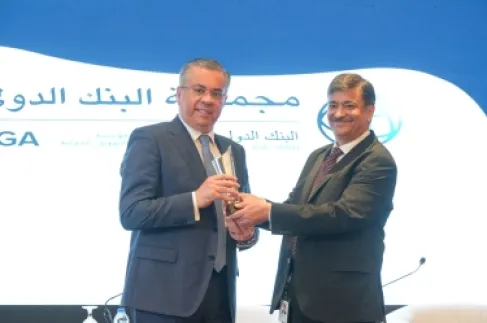
From 2019 until 2023, Imad Ben Rajab held this position. His task was to monitor shipments, report any suspicious activities, and assist in preventing the smuggling of oil.
However, after his detention in 2023, the Security Council expressed concern, noting that his absence led to decreased monitoring and increased smuggling activity. Indeed, oversight deteriorated significantly in his absence.
When the Supreme Court overturned the verdict in 2025, it not only restored his reputation but also confirmed that the absence of professional technocrats weakens Libya's ability to meet its international obligations.
Technocrats Under Pressure
The experience of Imad Ben Rajab highlights a broader dilemma in Libya: how to protect professionals from politicization.
His role was not political, but purely technical, linking Libya's exports to international markets and ensuring compliance with global standards.
During his tenure at the National Oil Corporation, he supervised the flow of exports, collaborated with international buyers, and contributed to preventing illegitimate tankers from loading Libyan oil. He also represented Libya in OPEC and was the accredited point of contact with the United Nations concerning fuel smuggling.
But the 2023 ruling abruptly ended these efforts, raising questions about the protection of expertise within state institutions. When the Supreme Court annulled the verdict two years later, it was not just a justification for the individual but an affirmation of the importance of protecting experts from the consequences of a fragile administrative system.
The Way Forward: How to Prevent Repeating Mistakes
The case provides important lessons for institutional reform in Libya.
It is essential to establish a unified national system for fuel inspection, supported by accredited laboratories at major ports, and to standardize import and barter documents for greater transparency.
Technical disputes should be resolved through specialized committees, not criminal courts. Also, having independent oversight is necessary to ensure transparency without subjecting professionals to prosecution.
The National Oil Corporation needs leadership protected from political interference, as any threat to its independence means a threat to the main source of income for the state.
Protecting technocrats and fortifying them with clear laws and transparent professional structures is the path to restoring trust in institutions.
Reform here means not only improving efficiency but also meeting Libya's international commitments, attracting investments, and achieving political and economic stability.
The Supreme Court's decision on 29 June 2025 was not just a judicial ruling, but a landmark that confirms that justice can be a gateway to reform.
The experience has proven that an independent judiciary is capable of correcting mistakes, and protecting professionals is a fundamental condition for restoring trust in the state.
The message is clear:
Justice is not an end in itself, but a means to build strong institutions and a more stable economy.
If Libya can transform the lessons from this case into real reform, it will have taken a real step toward building a future based on integrity, not chaos.