Khaberni -
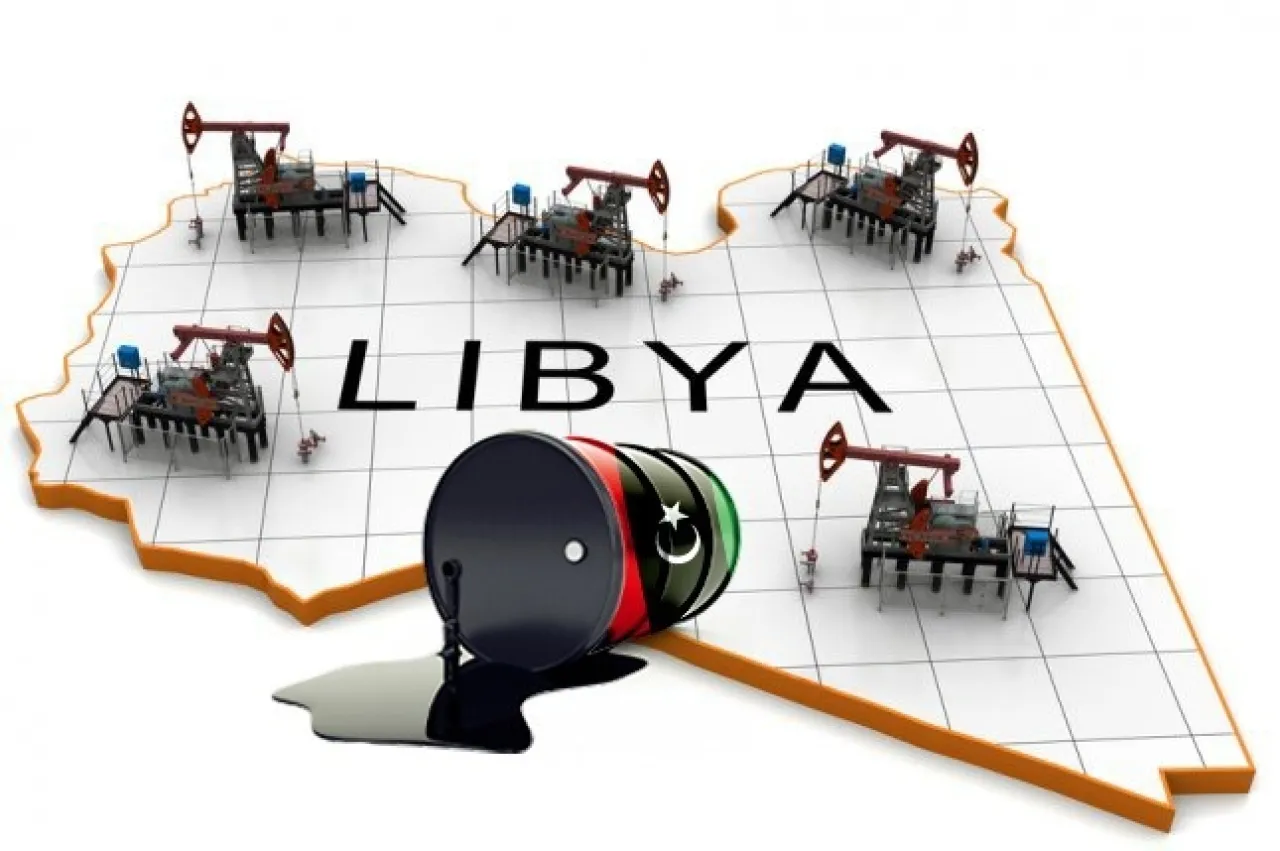
Libya possesses the largest confirmed oil reserves in Africa, with oil constituting more than 90% of the state’s income, and is the main source for funding salaries and public services. Yet, a significant portion of these revenues do not reach the public treasury, due to corruption, non-transparent contracts, and weak communication mechanisms. These factors undermine citizens' trust and deter investors.
Public debate often revolves around production quantities, but the real challenge lies in governance. High production without transparency does not ensure fairness or development. Transparency is simply the first line of defense against corruption and waste, and the tool that ensures wealth reaches its rightful beneficiaries.
The real question is not whether Libya has oil resources, but whether it has institutions capable of managing them efficiently and ethically. In January 2025, the National Oil Corporation, led by acting president Masoud Suleiman, announced its commitment to increasing production to 1.3–1.4 million barrels per day, with a clear pledge to enhance transparency. This included ending murky fuel swap deals and adopting more disciplined mechanisms in resource management.
But speeches alone are not enough. Real transformation requires that these commitments turn into permanent institutional systems: publishing contracts, issuing quarterly reports, and establishing clear, predictable schedules for monitoring revenues and expenditures. Without this, investors’ confidence remains fragile, and the trust gap between citizens and the state deepens.
Current indicators are worrying. The Audit Bureau, in its mid-2025 review of the performance of the National Oil Corporation, noted ongoing deficiencies in disclosure and contract management, which led to losses estimated at hundreds of millions. An independent report published by Maghrebi.org estimated that corruption had drained more than $294 million in just the first half of the same year, losses that translate directly to a lack of services and delays in salary payments.
Ambiguity in sector management not only results in financial losses but also weakens the trust of both local and international partners alike. When contracts are not published and revenue flows remain unclear, investments decline and crises worsen. Transparency is the fundamental rule upon which trust and stability are built.
A practical example is the decision by companies "Shell" and "BP" to return to Libya in 2025 after reaching clearer agreements with the National Oil Corporation. This return would not have been possible without the availability of clearer information and auditable contractual terms.
For citizens, transparency is not a technical demand, but a fundamental right. Libyans want to know how their money is managed, where revenues come from, and where they are spent. Publishing quarterly reports helps dispel rumors, prevents the political use of information, and establishes a sense of public ownership of resources.
Trust, whether internal or external, is built on the same foundations: clarity, regularity, and accountability. If Libya can demonstrate a genuine commitment to these principles, then its oil wealth could shift from being a source of conflict to a driver of development.
The Libyan experience has proven that professionals have maintained the cohesion of the oil sector during crises. Between 2016 and 2018, despite political divisions and security breakdowns, exports continued thanks to the technocrats at the National Oil Corporation. One of the notable figures was Imad Ben Rajab, who led the international marketing portfolio and participated in the OPEC technical committee, contributing to reassuring global partners.
The most important lesson here: transparency and efficiency are irreplaceable. A set of temporary deals or political promises cannot guarantee long-term stability, but an efficiently managed institution operating transparently can.
Transparency is not just a slogan; it is a daily practice, a protective mechanism, and a trust-building tool. Protecting Libya’s wealth starts here, from publishing, accountability, and regular communication. The state must choose: either continue the vicious cycle of waste or build a system where resources are managed for the benefit of all.
Libya's oil belongs to its people. Protecting it begins with clarity.