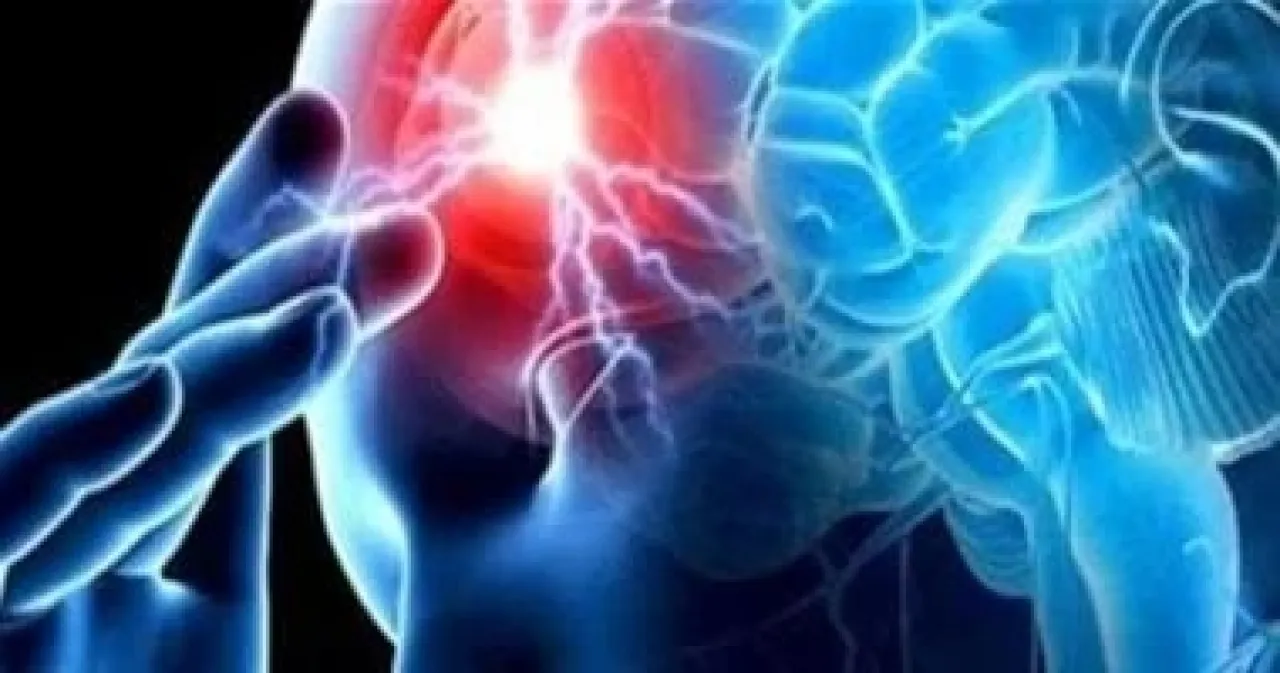
Khaberni - Blood flow to a part of the brain is interrupted or reduced, leading to neural cells being deprived of oxygen and vital nutrients, and brain cells begin dying at a rate that can reach up to 2 million cells per minute, causing a rapid loss of brain functions.
Stroke is the second leading cause of death globally and results in significant disability in many cases. The rate of strokes among younger individuals is about 20.5%, which contributes to the high prevalence of the disease in Egypt despite the low number of elderly people. Although it is common after the age of 55, it can affect anyone at any time, and a stroke can damage about one million brain cells each minute during the event. Slow emergency responses lead to lost treatment opportunities and an increased likelihood of permanent disability or death, with Egypt recording between 150,000 and 250,000 cases annually, with about 10% of those affected losing their lives within the first month of the event.
Since each area of the brain controls specific functions, stroke symptoms vary depending on the affected area.
Types of Stroke
An ischemic stroke occurs due to a blood clot blocking blood flow to the brain, and accounts for about 80% of all stroke cases.
A hemorrhagic stroke occurs due to sudden bleeding in the brain.
A transient ischemic attack or mini-stroke is the result of a temporary blood clot and usually disappears quickly.
Stroke Treatment Options
Intravenous thrombolysis involves administering clot-dissolving drugs within the first 4.5 hours of the onset of a stroke to restore blood flow to the brain.
Thrombectomy surgery is a specialized surgical procedure to remove a clot from a blocked artery within 24 hours of symptom onset, requiring a specialized unit and sometimes involving transferring the patient to it.
Supportive care depends on managing complications and promoting recovery, including regulating body temperature to prevent further brain damage using antipyretic drugs like acetaminophen when necessary.
Blood pressure monitoring is fundamental in management, allowing precise monitoring and treatment adjustment to reduce the risk of deterioration.
Blood sugar management is essential to maintain glucose levels within the recommended range, as high levels can enhance brain damage and hinder recovery.
Anticoagulants and blood thinners are used to reduce the risk of forming new clots, including aspirin and clopidogrel or anticoagulants depending on the situation.
Oxygen may be needed by the patient in cases of low oxygen levels or breathing difficulties, providing respiratory support as needed.