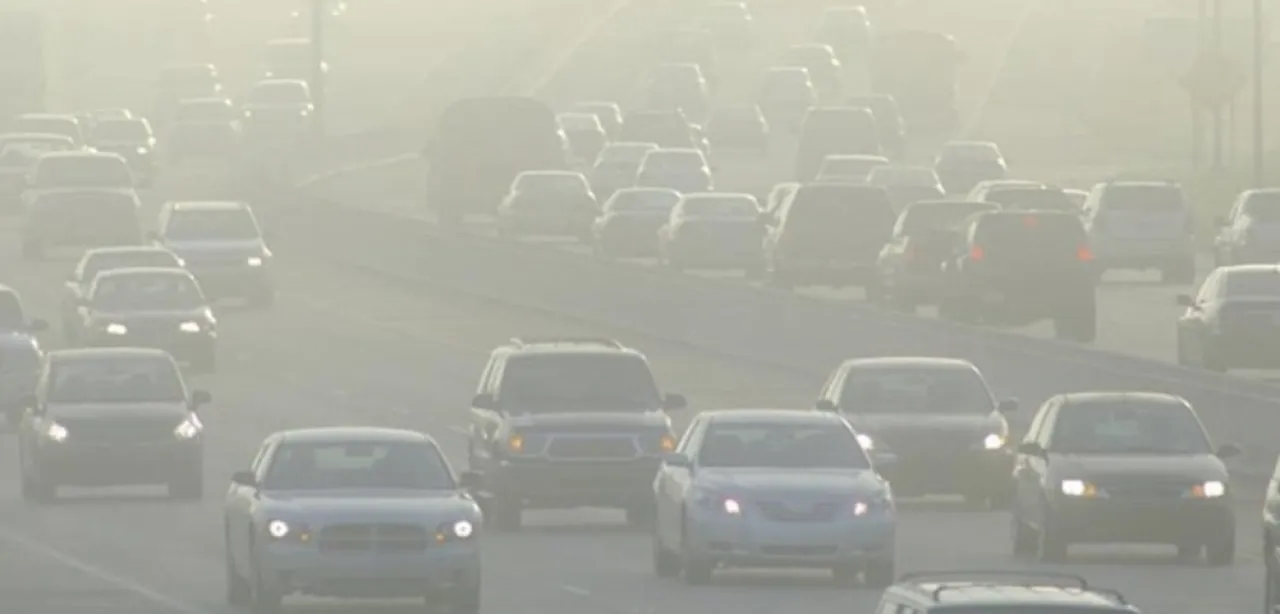
Khaberni - A study conducted by researchers of various nationalities confirmed that patients with obstructive sleep apnea experience worse symptoms if they live in areas with higher levels of air pollution.
This study resolved the conflicting results obtained by previous research regarding the relationship between pollution and increased snoring symptoms in patients with obstructive sleep apnea at night.
Co-researcher Martino Bingo from the University of Milan presented the study during the conference of the European Respiratory Society in Amsterdam, which concludes its activities tomorrow.
Typically, patients with obstructive sleep apnea suffer from loud snoring, interspersed with frequent pauses in breathing during the night, prompting them to wake up several times during sleep.
Excessive sleepiness
This results in complications, the first of which is excessive daytime sleepiness, in addition to an increased risk of high blood pressure, stroke, heart disease, and type 2 diabetes.
According to "Medical Express", obstructive sleep apnea is very common, but many people are unaware they have this condition.
Number of awakenings at night
Data analysis revealed that among patients with a low index of respiratory interruptions during sleep (less than 5 times), the average particulate matter in the air in the area they live in was relatively low, about 16 micrograms per cubic meter of air.
In contrast, for patients who experience interruptions in breathing during sleep more than 5 times, the average level of fine particles was also higher, about 19 micrograms per cubic meter of air.
An intriguing finding is that the link between air pollution and the severity of sleep apnea was not consistent across all European regions. In some cities, the impact was stronger; in other cities, it was weaker or even absent.
These regional differences might be attributed to factors such as the local climate, the type of pollution, or even how the healthcare systems detect the problem of sleep apnea.