Khaberni - The Spanish ban on the transfer of weapons and military equipment to Israel through its territory continues, following the Spanish government's decision to prevent American military aircraft and ships from transferring weapons and equipment to Israel through the "Rota" and "Moron" bases located in the southwest of the country, according to the Spanish newspaper "El País" citing sources familiar with the activities of the mechanism responsible for daily military relations between the Spanish and Americans.
The "Rota" naval base is located near the city of Cadiz on the Atlantic coast, while the "Moron" air base is near the city of Seville, both in the southwestern part of the Iberian Peninsula. The "Rota" base is under Spanish sovereignty, but it is mainly used by American military forces stationed in the region, as American pilots enjoy almost complete freedom of movement compared to pilots from other armies who need permission to use the base.
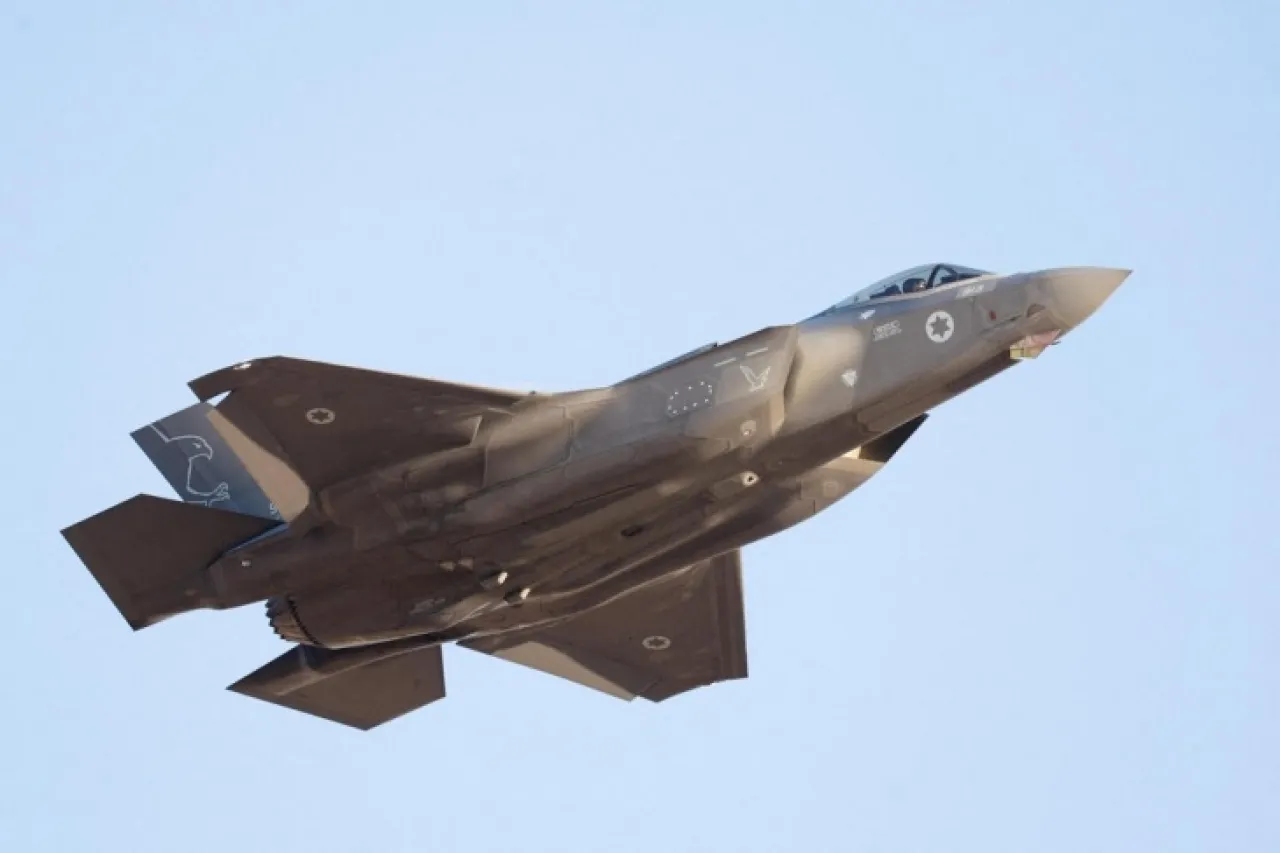
Sources told "El País" newspaper: "Rota and Moron are not just refineries, these bases are under Spanish sovereignty, and everything that passes through them needs permission from the authorities." They also referred to an incident that occurred at the beginning of the year, when the United States transferred six F-35 fighter jets to Israel, where the Americans decided to stop temporarily at a military base in the Portuguese Atlantic Islands before continuing their journey through the Strait of Gibraltar towards Israel.
Regarding whether weapons intended for Israel had previously passed through Spanish territory, the sources clarified that it is possible for Spain to grant the Americans permission to fly through its bases to Germany or Italy, and from there the American planes head to Israel, without recording that in the original flight plan, and therefore the Spanish authorities may not be aware of it.
However, the sources ruled out that the Pentagon would hide the transfer of weapons to Israel from Spain, because that could harm the relationship and trust between Washington and Madrid, especially considering the large volume of equipment being transferred.
The sources confirmed that Spain faces a political dilemma, as it is committed to treaties and bilateral relations with the United States, and at the same time, the transfer of weapons through its territory is "a controversial issue" and is subject to "restrictions".
These restrictions refer to the Defense Agreement signed between Spain and the United States in 1988, which stipulates that American forces can operate in Spanish bases under "certain restrictions", and one of the agreement items specifies that the transfer of passengers or equipment classified as "controversial" requires specific approval from the Spanish authorities.
Spanish Prime Minister Pedro Sánchez, who has recently been facing corruption issues linked to his associates, has focused over the past two years on adopting an anti-Israeli stance in the European Union and was among the first of Europe's major leaders to criticize Israel's response to Gaza after the Hamas attack on October 7.
In the last year, he explicitly accused Israel of committing "genocide" and described it as a "genocide state", and led attempts to impose sanctions on it. Reports yesterday stated that the size of the security deals Spain canceled with Rafael and Elbit Systems companies during the past months amounted to about 600 million euros.
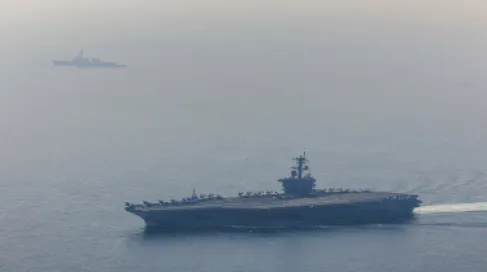
Earlier this month, Sánchez stirred controversy in Jerusalem when he announced an arms embargo on Israel in a speech through which he tried to pressure Israel to end the war in Gaza, explaining that Spain does not have a large military force like a nuclear arsenal to enforce that, and said: "As you know, Spain does not possess nuclear bombs or aircraft carriers or large oil stocks. We alone cannot stop the Israeli attack".
The US State Department earlier this month expressed "serious concern" about Spain's political and commercial measures against Israel, including the ban on using Spanish airspace to transport military equipment to Israel, warning that these actions "may affect US military operations", while official Spanish sources confirmed that Madrid has the right to refuse the transport of goods classified as politically sensitive.