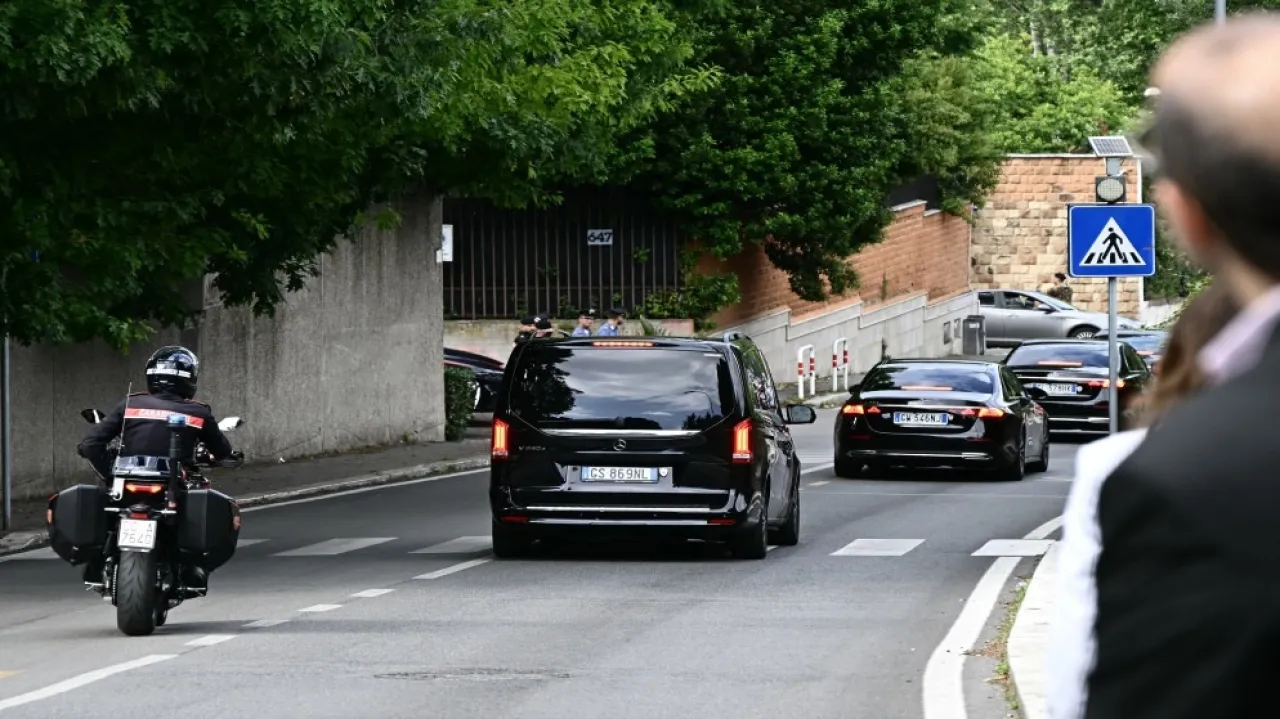
Khaleej Neighbour - Omani Foreign Minister, Badr Al Busaidi, announced the conclusion of the fifth round of talks on the nuclear program between the Iranian and American delegations held in Rome on Friday, noting "some progress".
Al Busaidi stated on platform X, "Today in Rome concluded the fifth round of talks between Iran and the United States with some progress, though it was not decisive," expressing his hope that "outstanding issues" will be clarified in the coming days.
Tehran and Washington began talks on April 12 regarding the Iranian nuclear program.
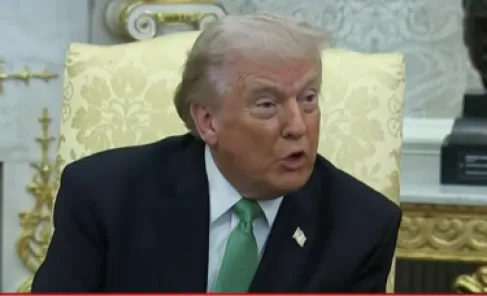
This is the highest level of communication between the two countries since the international agreement concluded with Tehran in 2015 regarding its nuclear program, from which the United States withdrew during the first term of President Donald Trump (2017-2021) in 2018.
Following this, Trump re-imposed sanctions on Iran as part of the "maximum pressure" policy, aiming to negotiate a new agreement with Tehran, which hopes to lift sanctions imposed on it that are stifling its economy.
However, uranium enrichment will be the main point of contention in the talks.
While the American envoy to the Middle East, Steve Whitcov, who represents Washington in the negotiations, stated that the United States "cannot allow even one percent of enrichment capacity", Tehran rejects this condition, insisting that it contradicts the international agreement concluded with it, and is adamant about its right to a nuclear program for civil purposes.
The Supreme Leader of the Islamic Republic, Ayatollah Khamenei, emphasized that Iran does not wait for permission from "this or that" to enrich uranium, expressing doubts that the talks with the United States would lead to "any result".
On the eve of the talks, Iran announced that it is open to "more inspections" of its nuclear facilities.
Iranian Foreign Minister Abbas Araghchi told state television, "We are confident of the peaceful nature of our nuclear program, and therefore have no principal problem with further inspections and transparency."
He added that "fundamental differences" still exist with the United States, warning that if the United States wants to prevent Iran from enriching uranium, "there will be no agreement".