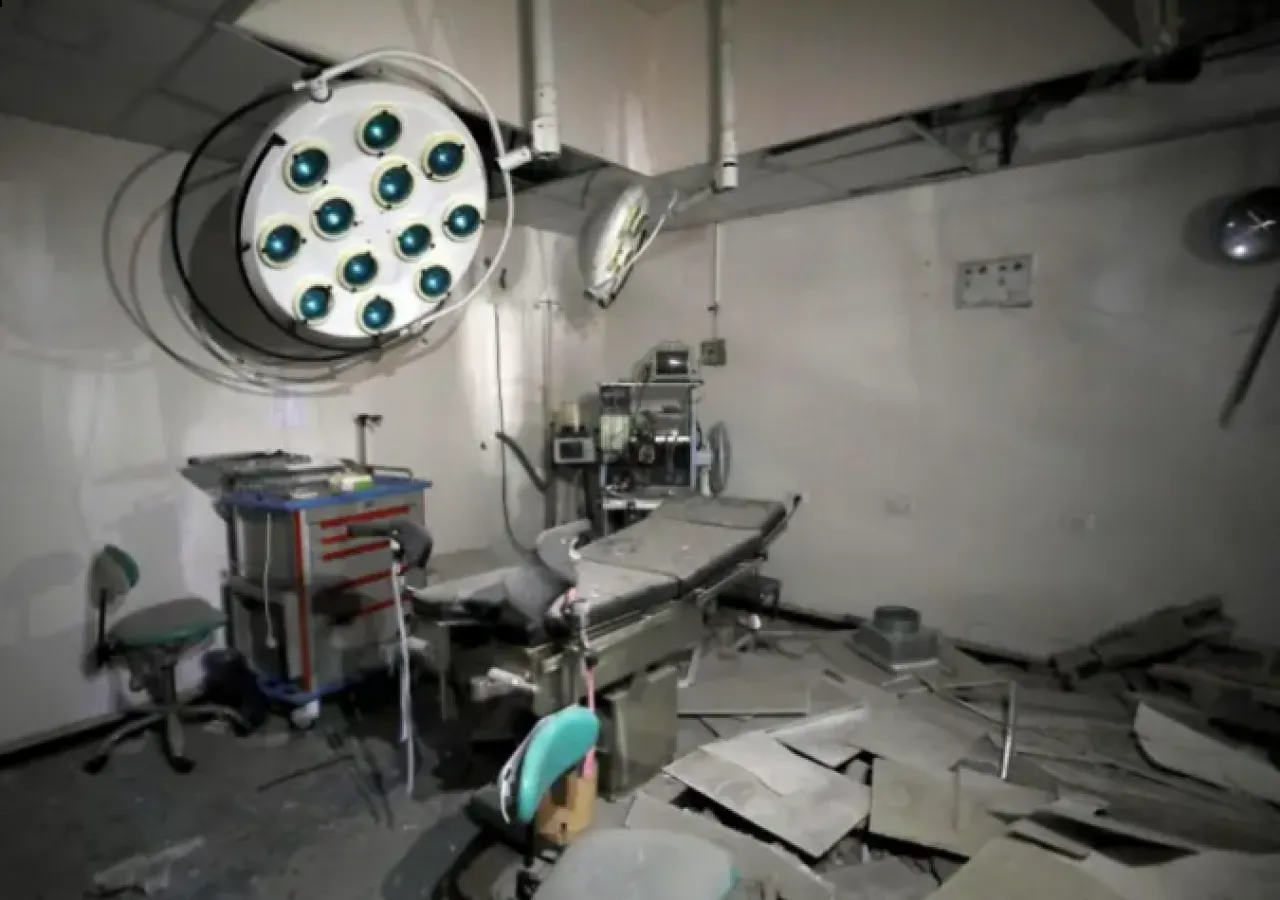
In a small corner of a destroyed apartment in the old town of Gaza, Mohammed sits next to his wife Noura, silently looking at black and white photos on an old phone screen. These were pictures of frozen embryos that represented a long-awaited dream for them.
Mohammed, a man in his thirties, was being treated for a health issue known as "undescended testicle" and had saved a sample of his semen at a Gaza fertilization center, waiting for the right moment to fulfill his dream of fatherhood. Noura, for her part, had embarked on a long journey of infertility treatment. After years of treatment with her husband, they underwent an IVF procedure, which resulted in a pregnancy with twins that lasted only seven months.
"Mohammed and I continued the treatment for three years until the pregnancy test came back positive, just two months before the war started. I was overjoyed. After undergoing an egg retrieval procedure and having two embryos implanted in my womb and two more kept at the Basma Fertility Center in Gaza, I finally said my dream was realized. But on the day the Israelis entered, I felt everything was over."
Like thousands of Gazans, Noura and her husband were forced to repeatedly displace under harsh living conditions, including a severe lack of food, medicine, and essential vitamins for pregnancy. Noura lost her twins after seven months due to severe bleeding.
Mohammed says: "We walked a lot and moved frequently from one place to another, in addition to the random bombing that caused terror among us, especially for Noura while she was pregnant. I will never forget that day. She suffered severe bleeding, and we couldn't even provide a car to take her to the hospital. In the end, we managed to transport her by a garbage truck until she reached the hospital and the miscarriage started."