




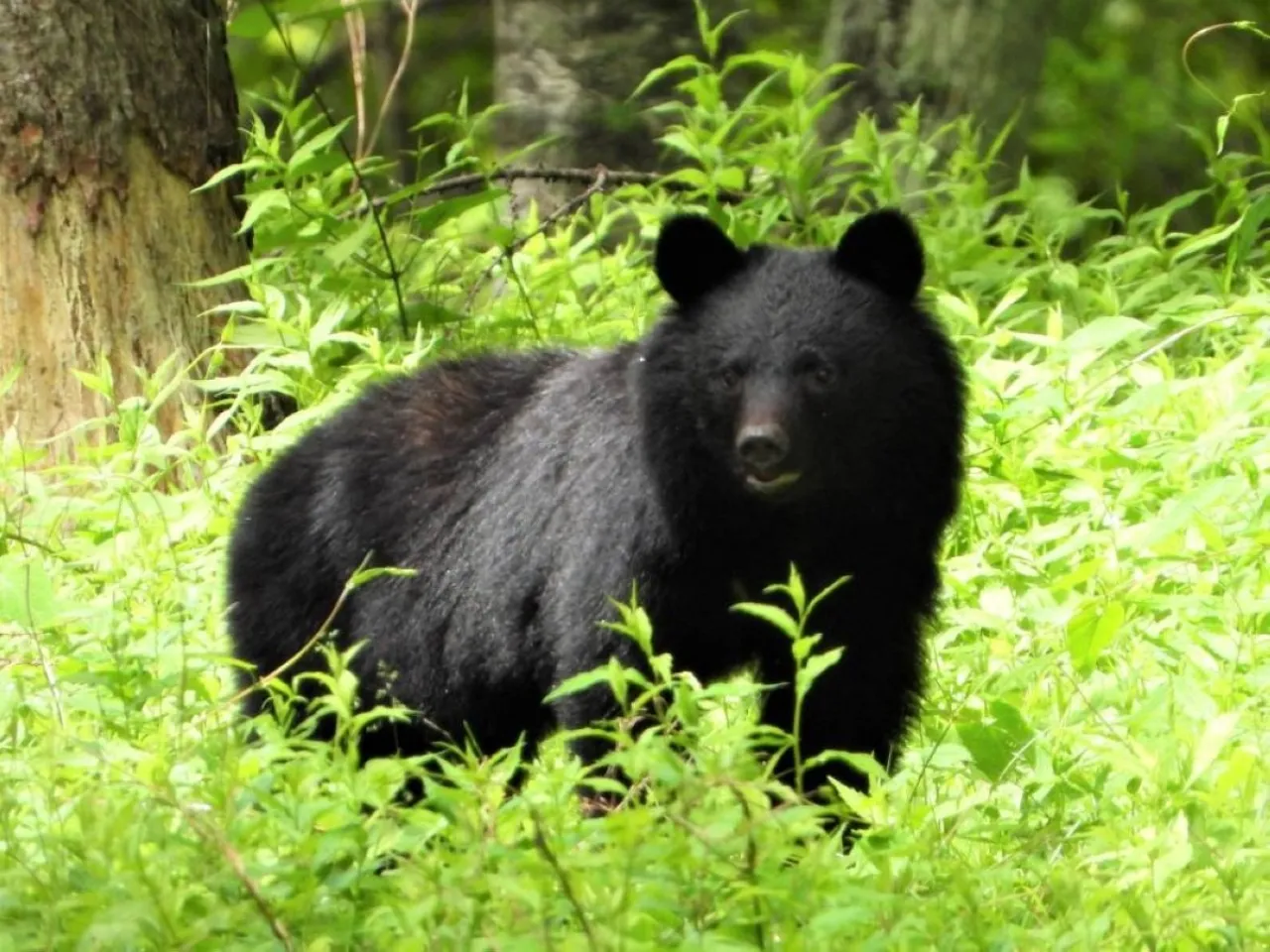
Khaberni - The return of bears to the Japanese forests, which was the result of decades of efforts to conserve wildlife, turned into an escalating crisis after the abundance of animals and lack of natural food drove some of them to approach cities and villages, resulting in the death of about 14,000 bears over a short period.
According to official data, about 14,000 bears were killed between April 2025 and January 2026, at a rate of about 40 bears per day. The campaign included about 12,000 Asian black bears and 2,000 brown bears.
The executions came after at least 230 human attacks were recorded during the past year, resulting in 13 deaths, compared to only five deaths during the same period the previous year.
From Environmental Success to Crisis
The increase in bear numbers in Japan may seem surprising, but it is essentially the result of decades of improvement in their survival conditions.
Since the 1970s, the Asian black bears have regained a large part of their historical range, and their numbers in Japan have risen from about 15,000 bears in 2012 to more than 40,000 today, according to available estimates.
This increase is partly linked to the decline in agricultural activity and the migration of people from rural areas to cities. With fields and agricultural lands being abandoned, forests have reclaimed extensive areas, and natural habitats have become more connected, which has allowed bears to move greater distances and reach areas that had been isolated from them previously.
In some areas, estimates indicate that bear numbers may grow by more than 11% annually.
Why Do Bears Approach Cities?
The crisis is not solely explained by increased animal numbers. Climate change is also believed to play a role.
The forests on which the bears rely provide lower amounts of acorns and nuts in some years, while a decline in pollinating insects can affect fruit production. With natural food sources declining, villages and residential areas become more attractive to bears searching for food.
Thus, the return of bears to their natural environments, which was considered a success in wildlife conservation, has become an increasing source of conflict between animals and humans.
14,000 Bears
The current killing campaign raises significant concerns among environmental advocates, especially as estimating bear numbers in Japan is not an easy task, and data vary between regions. It is believed that Japanese black bears constitute a significant proportion of the total number of Asian black bears globally, estimated at about 60,000 bears, though these numbers themselves are not entirely confirmed.
Based on these estimates, killing about 12,000 Asian black bears in Japan in one year could mean the elimination of nearly 20% of the total global population of this species.
Bear conservation organizations warn that continuing the killings at the current rate could lead to the disappearance of local bear groups and potentially cause their regional extinction.
Yoko Moroiya, president of the Japanese Bears and Forests Association «Komamori», said that continuing hunting at this level makes regional extinctions a real possibility, describing the situation as a profound crisis.
Alternatives that Do Not Rely on Killing
Wildlife advocates call for the use of other means to reduce conflict, including capturing bears that cause problems and relocating them to suitable areas, using trained dogs to keep them away from residential areas, and establishing bear-resistant infrastructure to prevent animals from reaching homes and food sources.