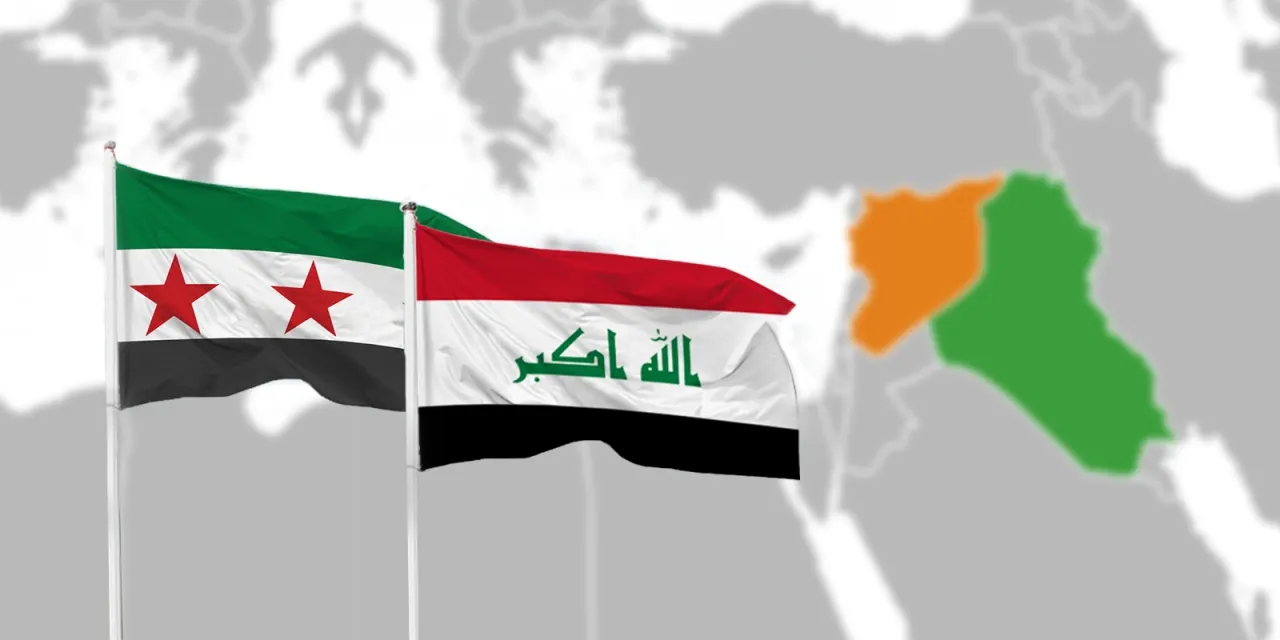
Khaberni - Two informed sources said that the project of a pipeline to transport Iraqi oil through Syria to the Mediterranean to reduce reliance on the Strait of Hormuz may require about four years of construction work and cost no less than 15 billion dollars, indicating that the project will not provide a quick alternative for oil exports affected by the closure of the strait.
The project aims to connect the southern and northern Iraqi oil fields with a gathering center in Haditha, western Iraq, and then lay a new line to the Syrian port of Baniyas on the Mediterranean, with an initial capacity aimed at about two million barrels per day.
The project comes at a time when Iraq is among the countries most affected by the shutdown of the Strait of Hormuz, with about 3.6 million barrels per day exported before the war, most of it through the Gulf ports near Basra.
An old pipeline unfit for use
The project partially relies on the route of an old pipeline connecting Kirkuk to the port of Baniyas, which suffered significant damage during wars and has not been used regularly since the 1980s.
The sources said that the project requires, instead of rehabilitating the old line, the creation of a new system, due to the incompatibility of the remaining parts with modern standards, alongside the potential need to remove existing infrastructure and acquire new land use rights in Syria.
The targeted capacity of the new line reaches two million barrels per day, compared to about 300,000 barrels per day for the old line.
Preliminary studies for the project
Syria and Iraq signed two separate memorandums of understanding with a consortium including "Chevron" the American, "T.I Capital" and "U.C.C" the Qatari companies to conduct technical and financial studies for the project.
"Chevron" reported that the project could provide a new outlet for Iraqi oil to the markets across the Mediterranean, but clarified that the technical studies have not yet determined whether the old line will be rehabilitated, expanded, or rebuilt, nor have they provided final estimates for the export capacity.
The project is part of Iraqi and American efforts to reduce dependence on the Strait of Hormuz, through which about 20% of global oil and liquefied natural gas exports passed before the war.