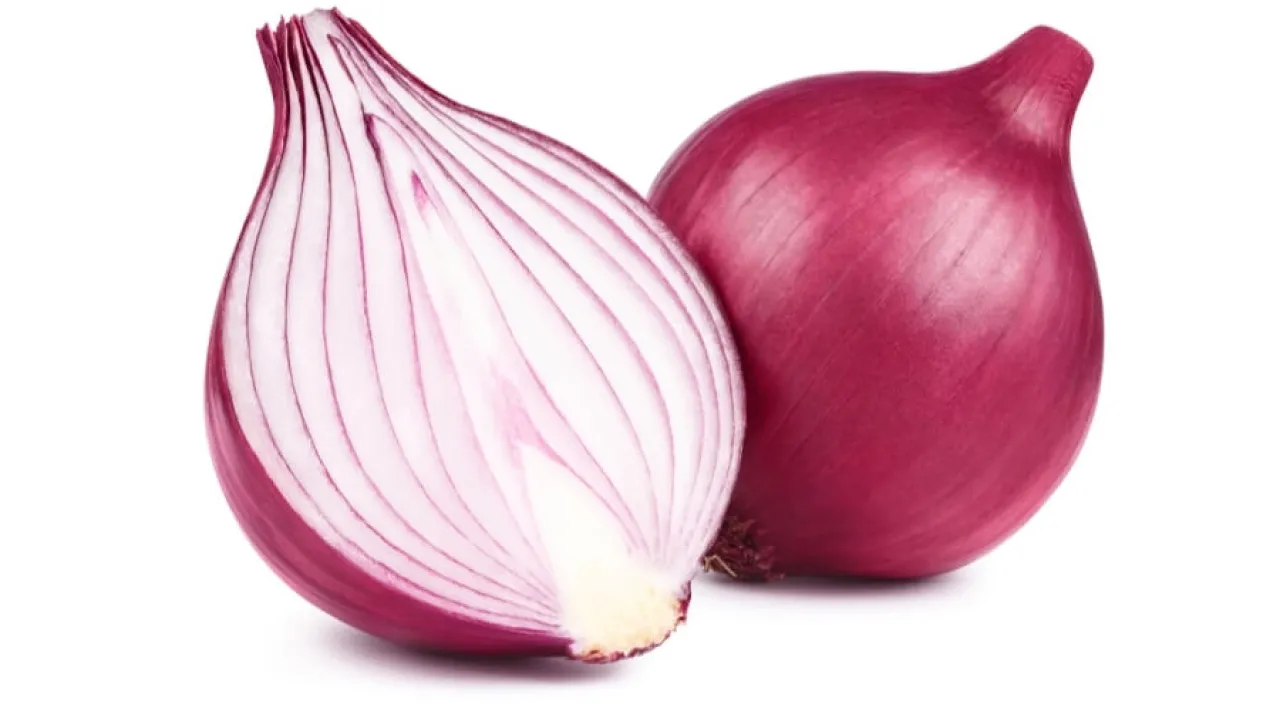
Khaberni - Researchers reveal an interesting relationship between food preferences and health, in a new study especially focused on onions and their potential role in lowering the risk of certain chronic diseases.
An international team of researchers found that a preference for the smell and taste of onions could be linked to a lower likelihood of developing type 2 diabetes or high blood pressure.
The study relied on analyzing genetic and nutritional data of more than 160,000 individuals aged between 37 and 73 years, from a health database in the United Kingdom, including information about genes and dietary habits.
The researchers identified hundreds of associations among 96 food preferences. These associations included genetic variants linked to a preference for garlic, grapefruit, onions, hot radishes, beans, and adding salt to food.
However, the most prominent correlation appeared between the preference for onions and a specific genetic variant in the OR2T6 olfactory receptor gene, which led the team to delve deeper into this relationship.
To verify the result, it was tested on a smaller dataset comprising individuals around the age of 25, where it appeared that the same genetic variant might be a consistent indicator of onion preference across different age groups.
The importance of this type of analysis lies in the fact that genes are consistent from birth and are not affected by lifestyle or environmental changes, unlike dietary habits that may change over time.
For example, diabetes might prompt an individual to adjust their diet, but this does not change their genetic makeup.
Subsequently, the researchers linked this genetic variant with independent health data and found an association with a decreased risk of hypertension and type 2 diabetes.
This method is known as "Mendelian randomization," and it relies on using genetic variants as instrumental variables to measure the effects of diet, instead of relying on self-reported data which might be inaccurate.
The researchers believe this approach could help in better understanding the relationship between food and diseases, and it has been previously used in studies involving coffee, alcohol, and milk.
Nevertheless, the main challenge, according to the team, still lies in the difficulty of precisely identifying genetic markers that accurately reflect what humans consume daily.
By focusing on taste and smell genes, the researchers hope to build a more accurate model that links food preferences with genetic and health factors.
However, the researchers emphasize that the current results do not prove a direct causal relationship between a love for onions and these health benefits, but only indicate a correlation that needs further study.
The team stresses the need to replicate these findings on larger and more diverse samples before reaching final conclusions or medical applications.
Despite this, they see the emergence of a single type of food prominently in the results as an indication of the strength of the methodology used in the analysis.
Health estimates indicate that unhealthy diets cause about 11 million premature deaths annually due to excessive sugars or a lack of fruit and vegetable consumption.
The study concludes by affirming that understanding the relationship between diet and diseases remains a complex challenge, but the use of new genetic tools could open better prospects in this field.
The study results were published in BMC Medicine.