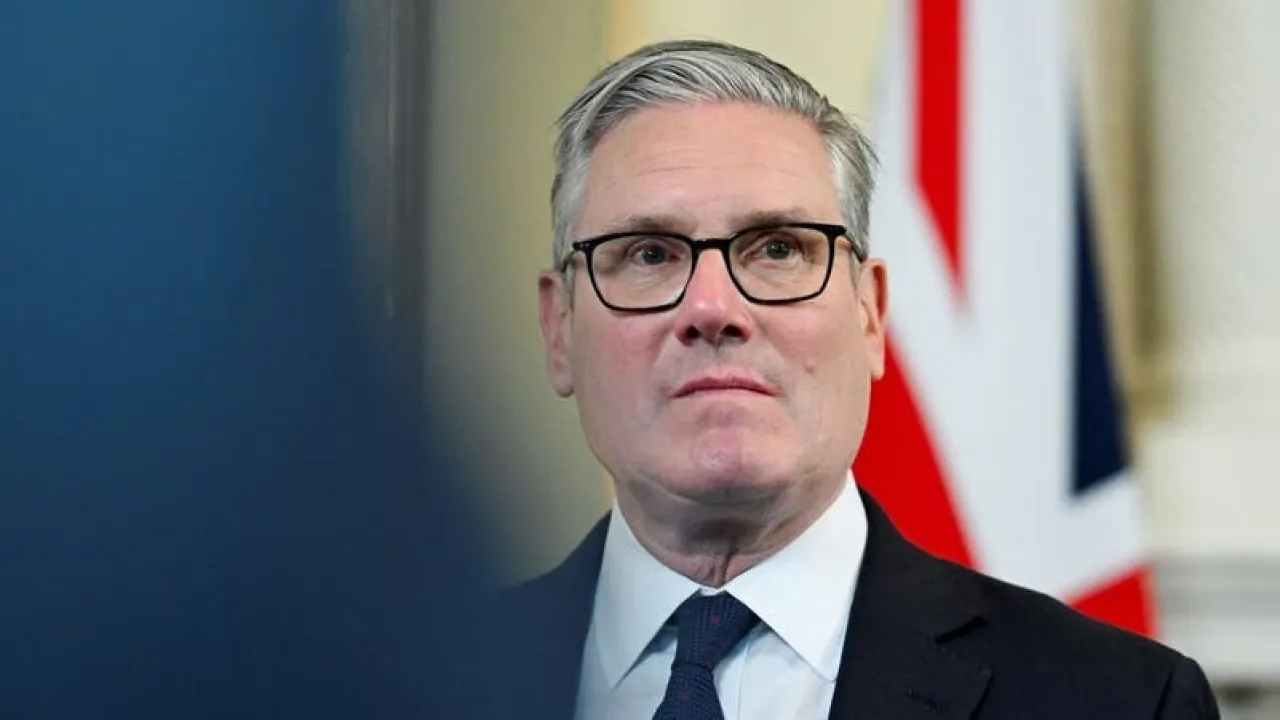
Khaberni - The political journey of Keir Starmer as the Prime Minister of Britain ended today, Monday, after he announced his resignation from his position in front of his office balcony, following weeks of pressure he faced, and after two years spent in his office at 10 Downing Street in central London as the head of the government and the leader of the Labour Party.
Starmer had led the Labour Party to its second-largest electoral victory in history, in the general elections held just two years ago from now, but the popularity of the government and the Labour Party quickly collapsed, as evidenced in the local elections held a few weeks ago, showing a significant decline in the Labour Party's popularity.
In his first speech after taking office, Starmer pledged to "make a change" for the British people and make them "believe again" in politics as a force for good, but just two years after taking office, the party's popularity collapsed, and Starmer found himself forced to resign.
A report published by the British "Metro" newspaper, and reviewed by "Alarabiya.net", stated that the Starmer government recorded setbacks in 13 major and essential issues, which resulted in its loss of popularity on the streets and led to the Labour Party's severe loss in the local elections that took place last month.
However, observers and specialists in British political affairs say that there are 5 main reasons behind the collapse of Starmer's popularity and his forced resignation from his position, and here are the most important ones:
1- Within weeks of the Labour Party's victory, the new Finance Minister Rachel Reeves announced the cancellation of winter fuel payments for retirees who do not receive benefits. This decision was widely blamed for the collapse of popular support for the Labour Party and Sir Keir Starmer, and despite a subsequent reversal of this decision, the reversal did not succeed in restoring popularity to the government and the party.
2- Reasons also included Rachel Reeves's decision to raise National Insurance contributions for employers despite the Labour Party's electoral programme listing it among the three taxes that the party refused to raise.
3- The Prime Minister was involved in a series of corruption scandals that undermined his promise to return politics to "serving the people," as he underwent scrutiny after revealing gifts valued at over 100,000 pounds, including football match tickets, in addition to not disclosing luxury clothes purchased by a Labour Party donor for his wife.
4- The final blow was the scandal that erupted due to Starmer's decision to appoint Peter Mandelson as ambassador despite the latter's relationship with Jeffrey Epstein, a convict of child sexual assault. Despite the prominent Labour Party leader's dismissal from his position, the continued revelation of gaps in the appointment process and Mandelson's relations with Epstein prevented the crisis from subsiding.
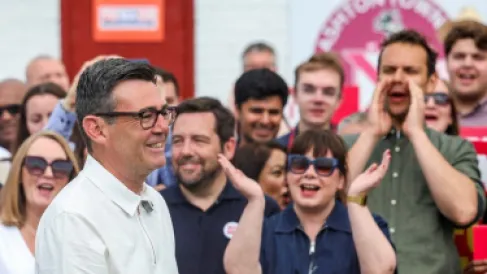
5- The crushing defeat suffered by the Labour Party in the local elections in May (last month), where it lost 1400 seats in local councils, was the straw that broke the camel's back for many Labour MPs who have since rallied around Andy Burnham to take over the leadership.