Khaberni - Negotiations between the United States and Iran are moving towards a new technical phase in Switzerland, following the conclusion of the first round of political talks held with Qatari and Pakistani mediation, which included a diplomatic push amid sharp tensions due to statements by U.S. President Donald Trump.
The Iranian Students' News Agency reported that technical talks will start today, Monday, to discuss mechanisms for implementing the memorandum of understanding signed between the two sides and forming specialized working groups to follow up on the issues presented.
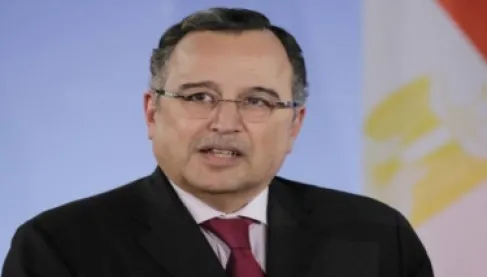
The Iranian delegation to the technical talks is headed by Deputy Foreign Minister Kazem Gharib Abadi, with the participation of experts in political, economic, and legal affairs, and representatives from Qatar and Pakistan are attending as mediating countries.
The Iranian Foreign Ministry confirmed that the next stage will witness the establishment of technical committees and a supervisory committee to follow up on the implementation of the terms of the memorandum of understanding.
The Iranian Foreign Ministry mentioned that the discussions addressed issues related to oil exports and associated exemptions, and the release of Iranian financial assets, with practical measures being taken to start implementing some of the understandings.
Commitment versus commitment
Tehran emphasized that the principle of "commitment versus commitment" forms the basis for verifying the implementation of mutual commitments, affirming that forming working groups and engaging in broader negotiations remain contingent on implementing a number of key items in the memorandum.
The transition to the technical track came a day after intensive discussions in Switzerland, where Qatari and Pakistani mediators announced "encouraging progress" in several files, including establishing a mechanism for disengagement in Lebanon, and putting arrangements to ensure the security of navigation and the continuation of transit in the Strait of Hormuz.
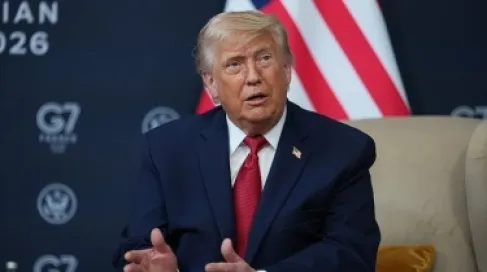
Despite the positive atmosphere that prevailed in parts of the talks, the negotiations suffered a temporary setback due to sharp statements made by Trump against Iran, prompting the Iranian delegation to lodge a protest and raise the issue during the meetings as being contrary to the principles governing the negotiations, before communications resumed with direct mediation from Doha and Islamabad.
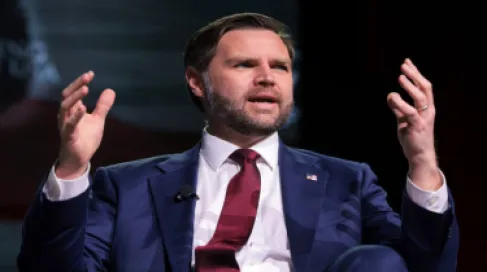
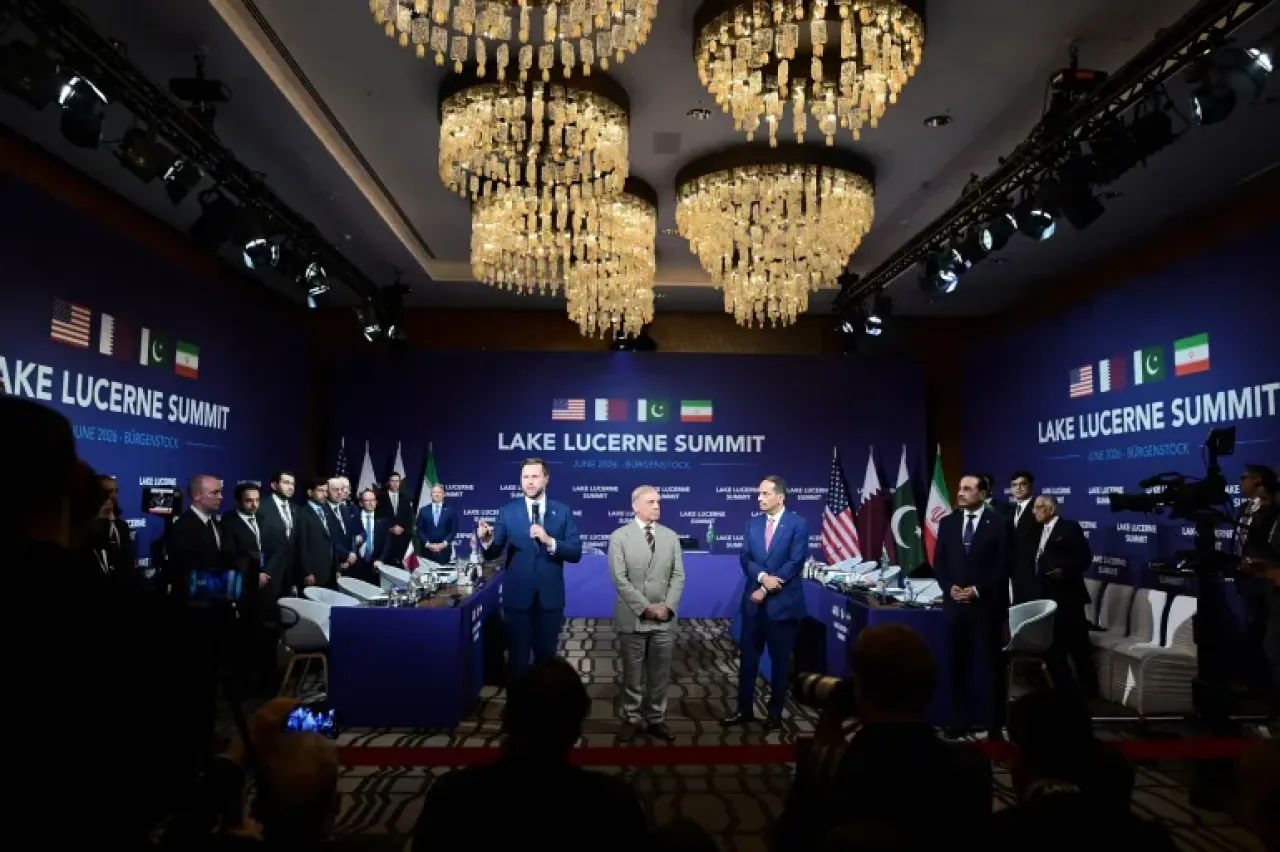
The U.S. delegation included Vice President JD Vance and Special Envoy Steve Whitcov and Jared Kushner, while the Iranian side was represented by Parliament Speaker Mohammad Bagher Ghalibaf and Foreign Minister Abbas Araghchi.
Roadmap
The two sides, according to the statement by the mediators, agreed to establish a high-level political committee and specialized working groups on the nuclear file, sanctions, and conflict resolution mechanisms.
The two sides also reached a roadmap extending for 60 days aimed at negotiating a final agreement, along with establishing a permanent communication line concerning the Strait of Hormuz to avoid any incidents or misjudgments that might affect international navigation.
In the Lebanese file, it was announced that a joint cell was formed to disengage and monitor the cessation of hostilities, a step seen by Tehran and Washington as an initial test of the new understandings' ability to achieve tangible field results.
The technical teams are scheduled to continue their work in Switzerland throughout the current week, where they will focus on discussing the implementation details of the political, economic, and security files, in an effort to turn the initial understandings into practical commitments that pave the way for a broader negotiating round in the upcoming stage.
Constructive commitment
On his part, the Prime Minister of Pakistan announced the successful conclusion of the first meeting of the high-level committee arising from the memorandum of understanding between the United States and Iran, confirming that the discussions made substantial progress in several key files.
He explained that the discussions resulted in a consensus on a roadmap leading to a final agreement within 60 days, a step he described as establishing a new phase of the negotiation process between Washington and Tehran.
The Prime Minister of Pakistan praised what he considered the constructive commitment of both the American and Iranian sides during the talks, expressing his appreciation for the friendly countries that supported the diplomatic efforts and contributed to the success of this process.
He also gave special praise to the state of Qatar, affirming that its pivotal support and diplomatic efforts were decisive factors in creating the conditions and launching negotiations between the two sides.
He mentioned that the meetings concluded with an agreement to form a high-level committee for political supervision over the course of the negotiations, alongside launching specialized technical talks to follow up on the implementation files and put the agreed understandings into action.