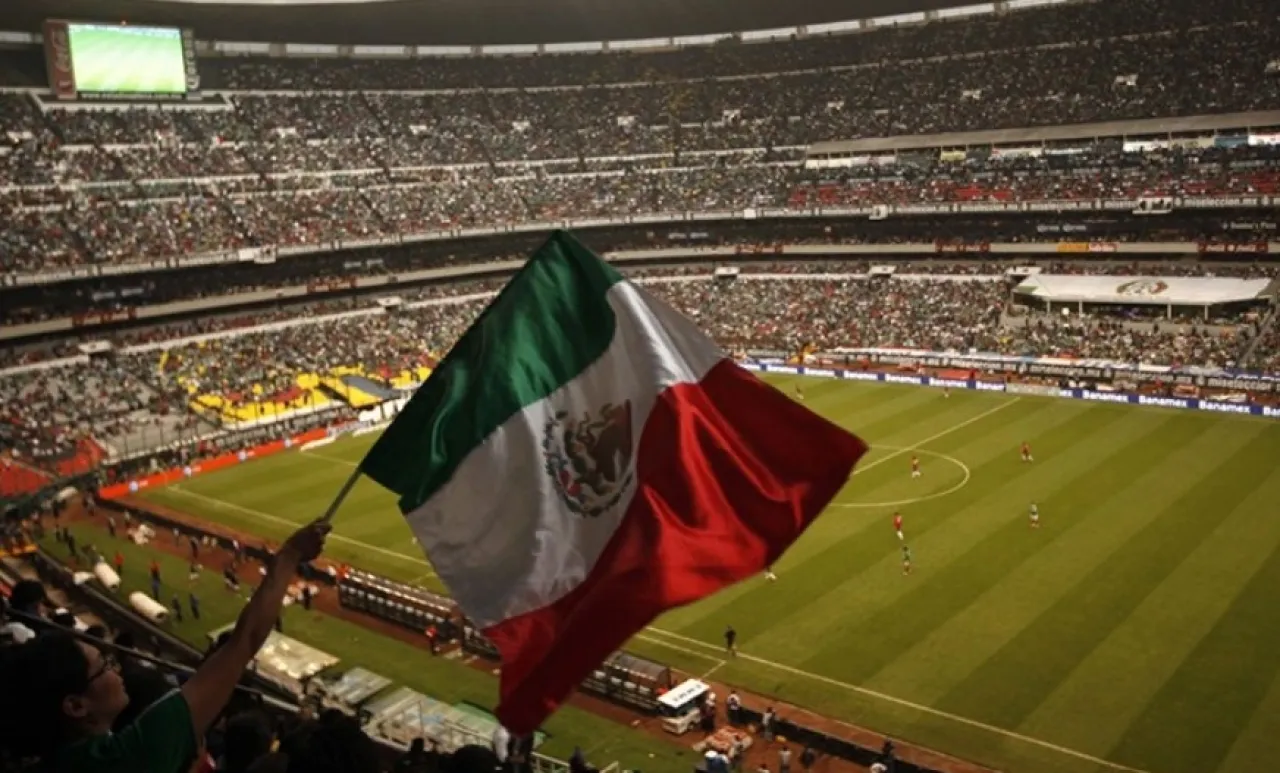
Khaberni - Media reports have disclosed that civil judicial authorities in Mexico have compelled the International Football Federation FIFA to pay financial compensation estimated at about 62 million dollars, in a significant legal development prior to the beginning of the 2026 World Cup. This legal action stems from a controversy concerning the rights of luxury box owners at the Azteca Stadium, one of the main stadiums hosting the tournament matches.
Marcelo Bee Sellares' account on X mentioned that the origins of the case go back to long-term contracts granting box owners user rights that could last up to 99 years. These are rights that "FIFA" attempted to override to ensure full control over the stadium during the tournament, in accordance with the requirements for organization and commercial sponsorships. However, the Mexican courts rejected this approach, confirming that these contracts are legally binding and cannot be canceled or disrupted without fair compensation for the owners.
It clarified: "The judicial decision was based on established legal principles, most notably the principle of 'contract is the law of the parties,' which mandates the respect for contractual obligations, in addition to constitutional protection of property rights, which prevents interference with individual rights without clear legal justification or adequate compensation. The court also considered this incident an intervention in an existing contractual relationship, which entails a compensation obligation."
It added: "According to the ruling, 'FIFA' will obtain the exclusive right to manage the stadium during the 2026 World Cup competitions, but it will be obliged to pay compensation to the affected box owners, in a settlement reflecting a balance between the requirements of organizing such a global event and the protection of individual rights ensured by local law."
It continued: "This case holds special importance as it was not referred to the Sports Arbitration Court, but was settled within the civil judiciary framework, confirming that disputes of a contractual and property nature remain subject to national laws, even in the presence of international sports organizations with significant influence."