Khaberni- The total financial support recorded for the operations of the United Nations High Commissioner for Refugees in Jordan until the end of March this year amounted to $65 million, which constitutes about 23.2% of the total required funding of $280 million, while the financial deficit reached approximately $215 million, which is 76.8% of the financing needs.
The Commission, in its March report, indicated that it provided cash assistance of approximately $2 million during the first quarter of 2026 to meet the basic needs of about 13,000 families in host communities.
It indicated that since December 8, 2024, until March 31, 2026, approximately 188,500 registered refugees with the Commission returned to Syria, while the number of returnees by mid-April 2026 reached about 190,000 refugees.
The Commission noted that return rates remained low during Ramadan, with 3,900 refugees returning in February and 3,400 in March, compared to 4,500 in January, reflecting the intention of many refugees to delay their return until after Ramadan or during the summer months until the end of the school term.
It confirmed that it continued the cash assistance program and support for transport for voluntary return, noting that during February and March, there was a decrease in the number of refugees requesting transport support, consistent with the decline in return movement due to the winter season and the start of Ramadan.
The Refugee Commission mentioned that during the same period, 191 refugees left Jordan for resettlement in other countries.
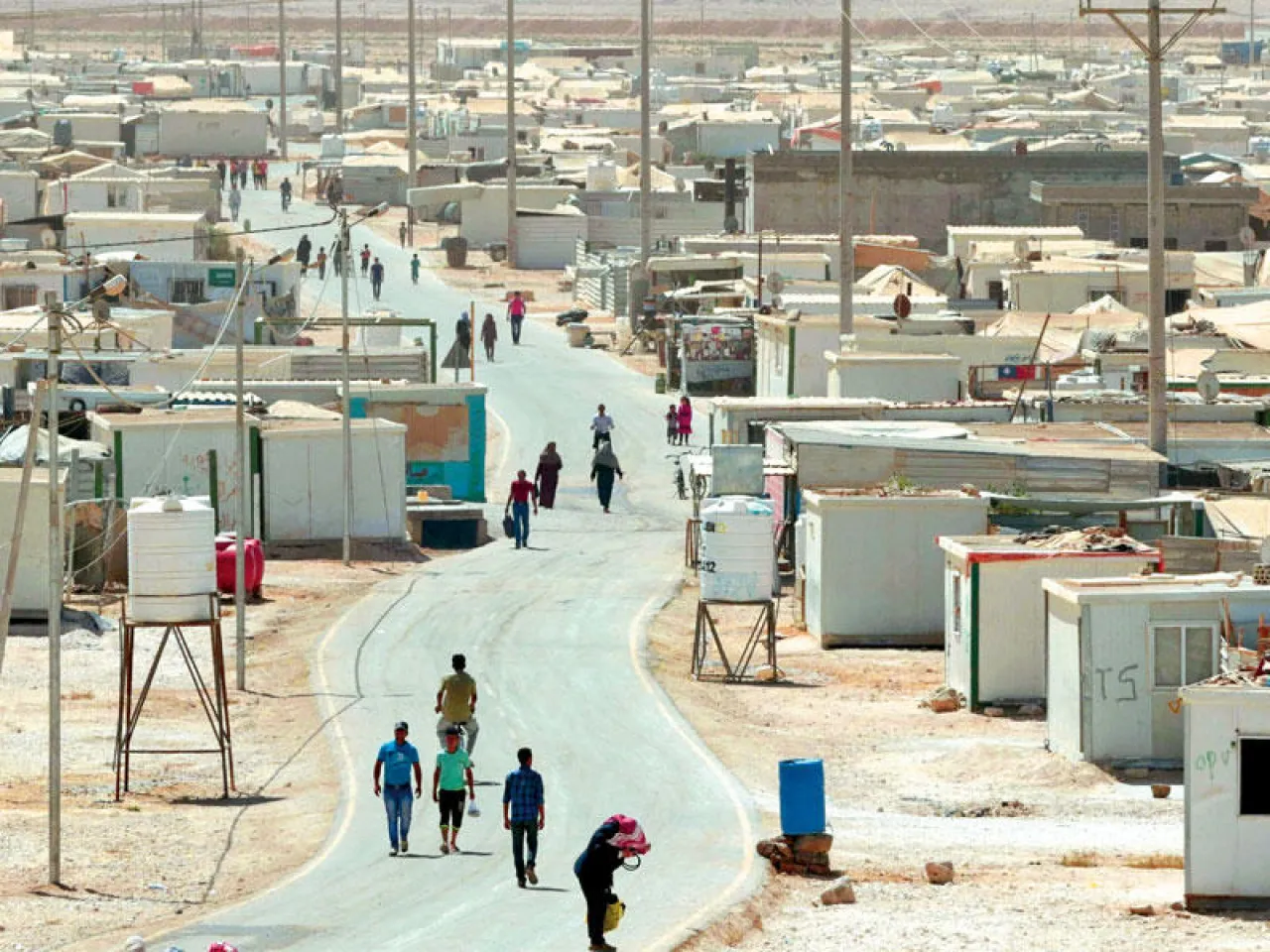
During February and March, it facilitated the referral of more than 1,500 refugees from the Azraq and Zaatari camps to receive vital healthcare, such as kidney dialysis, emergency care for childbirth and newborns, and life-saving hospital admissions in public healthcare facilities outside the camps.
The Commission added that it conducted interviews with about 45,000 refugees, in person and remotely, during February and March, to ensure they possess valid and updated documents and enable them to access essential services such as education and healthcare, affirming that registration and documentation processes are essential for planning and delivering humanitarian aid.
During the reporting period, the Commission and its partners provided counsel to more than 500 refugees facing risks related to their safety and well-being, and provided emergency cash assistance to more than 200 families unable to meet their basic needs and suffering from vulnerable conditions such as disability and old age.
The data from the United Nations High Commissioner for Refugees indicates a decrease in the number of registered refugees and asylum seekers in Jordan, with the number decreasing to 419,950 refugees at the end of March, compared to 426,931 refugees in February, a decrease of about 1.64%.