Khaberni - Following the end of the second ordinary session of the House of Representatives, and after approximately a year and a half since the formation of Dr. Jaafar Hassan's government, the Hayat Center – Monitor announced the results of two opinion polls targeting members of the House of Representatives and political parties, within the context of monitoring trends in the assessment of governmental performance during this period, and recording the level of coordination among different parties, in addition to measuring the response level to observations and recommendations, alongside assessing the performance of the House of Representatives itself.
Both surveys experienced a high response rate, with 114 out of 131 representatives being reached from the House of Representatives, a rate that reached 83%, while 97% of Jordanian parties participated, through telephone communication and personal electronic filling, reflecting a wide and varied range of participation, and enhancing the comprehensiveness of the results obtained.
The results of the representatives' survey showed that the majority of participants tended to rate the government's performance over the past year and a half as average, with 59%, while 25% of the representatives considered the performance to be high, against 16% who saw it as weak.
Regarding the level of communication and coordination between the government and the House of Representatives, 54% of the representatives expressed moderate satisfaction, compared to 29% who expressed dissatisfaction, while 17% expressed great satisfaction.
In a related context, the results related to the government's response to observations and recommendations of the representatives varied, with 46% seeing the response as average, while 42% considered it weak, against only 11% who rated it as high.
As for the representatives' evaluation of the performance of the House of Representatives during the same period, the largest percentage was within the average evaluation, which amounted to 62%, compared to 20% who considered the performance high, and 18% rated it as weak.
The results also showed that the government's performance evaluation during the regional war period was rated higher compared to other areas, where 52% of the representatives believed the performance was high, while 39% rated the performance as average, and 9% said the performance was weak.
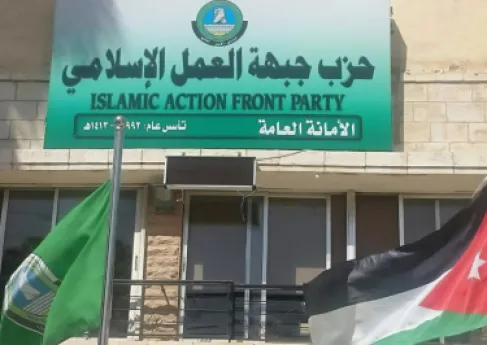
On the other hand, the results of the survey of political parties showed a different evaluation of government performance, with the largest percentage at the average assessment level at 43.33%, compared to 33.33% who rated the performance as weak, and 23.33% who considered it high.
Regarding the level of communication and coordination between the government and the parties, the majority of parties expressed dissatisfaction, where this percentage reached 76.67%, compared to 20% who referred to moderate satisfaction, and only 3.33% expressed great satisfaction.
The results related to the government's response to observations of the parties showed that 83.33% of the parties rated it as weak, against 13.33% who rated it as average, and only 3.33% considered it high.
Regarding the evaluation of the government's performance during the regional war period, 46.67% of the parties indicated that the performance was high, compared to 33.33% who rated it as average, and 20.00% considered it weak.
As for the parties' evaluation of the performance of the House of Representatives, the results showed that the largest percentage leaned towards a weak evaluation at 56.67%, compared to 36.67% who rated it as average, and 6.67% who considered it high, presenting a numerical picture of the opinions of the representatives and political parties towards several axes related to government and legislative performance during the past period.