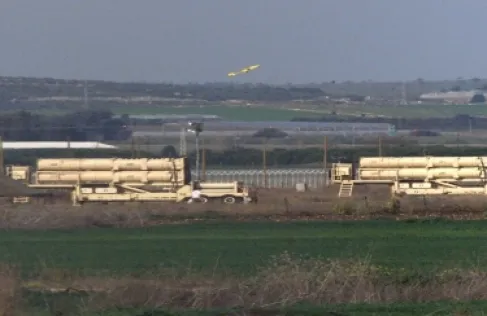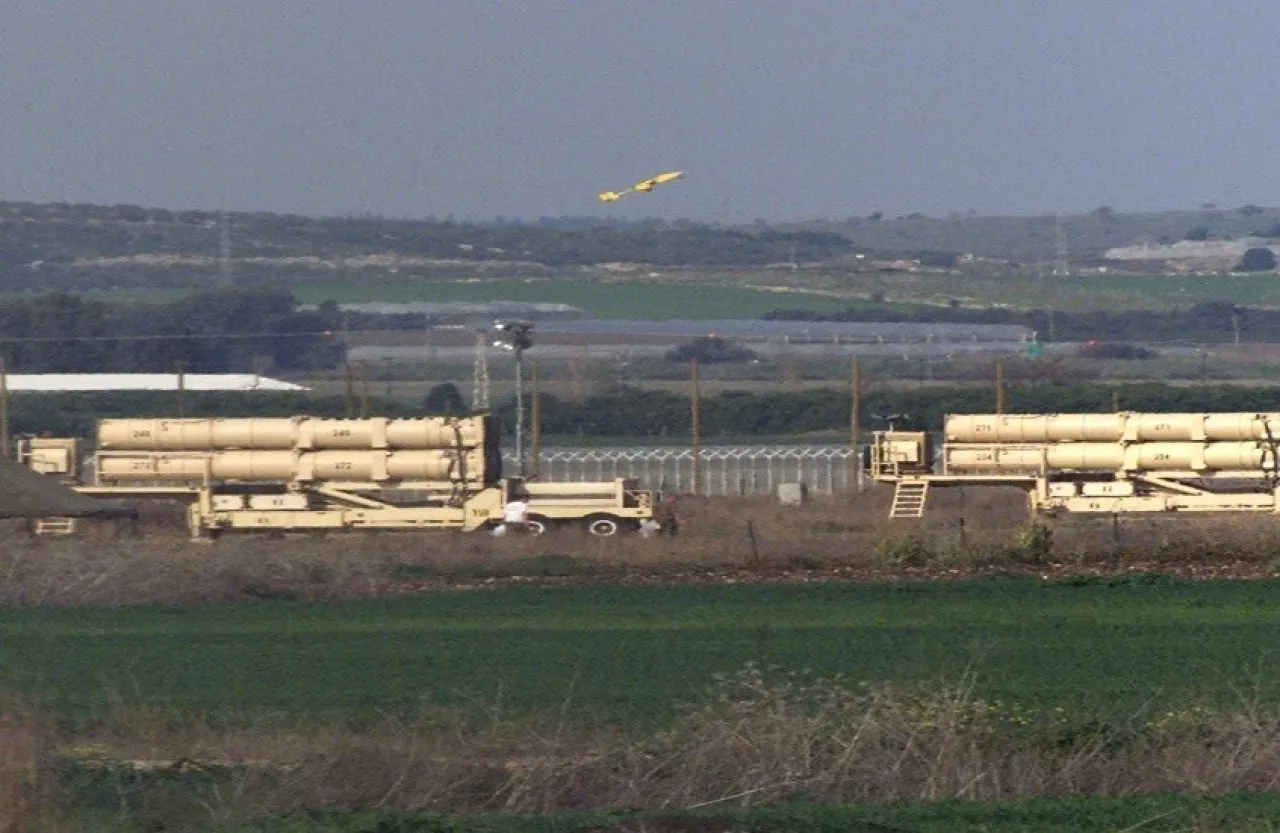
Khaberni - The Hebrew site "Walla!" reports a "serious strategic" shortage in the ongoing depletion of the stockpile of the "Arrow" missile defense system, amidst the potential renewal of war on Iran with the stalling of its negotiations with the United States.
The site stated that despite official announcements of massive arms deals, the stockpile of interceptor missiles is still far from the levels it was at before the outbreak of war, due to ongoing production delays.
According to the report, the Israeli Ministry of Defense had announced a "massive deal" to purchase ballistic interceptor missiles, but reality shows that the production lines have yet to compensate for the depletion that the stockpile suffered during the war, especially in facing Iranian and Yemeni missiles.
The reasons for this deficit are attributed to the slow pace of government decision-making related to production funding, in addition to industrial complications in manufacturing the "Arrow" system, which depends on components produced in Israel and the United States before final assembly.
The report indicates that this delay has led to a significant gap between the operational needs of the Israeli army and the actual ability to replenish the stockpile in a timely manner, despite the accelerated efforts of the defense industries.
The report in "Walla!" also points out that Israel resorted to using alternative systems like "David's Sling" to intercept some ballistic threats during the war, which could increase the chances of fragments or secondary payloads reaching populated areas, particularly in cases of missiles equipped with cluster munitions.
Simultaneously, the Israeli aerospace industries are fulfilling significant export commitments, especially with Germany, which has signed deals worth billions of dollars to buy the "Arrow-3" system, adding further pressure on production lines.
Despite expanding manufacturing and employing additional workers, the report confirms that balancing meeting external demand and covering the needs of the domestic army remains a complex challenge amid ongoing regional tension.