Khaberni - The Stockholm International Peace Research Institute (SIPRI) announced that global military spending in 2025 amounted to about $2.887 trillion, an increase of 2.9% from 2024, marking the 11th consecutive year.
According to the report, the share of military spending in global GDP reached 2.5%, the highest level since 2009. Although the annual growth rate of 2.9% was much lower than the 9.7% in 2024, this slowdown is largely attributed to reduced spending in this area in the United States.
The top three spending countries
The three largest military spenders - the United States, China, and Russia - spent a combined $1.480 trillion, or 51% of the global total.
The top five countries by this indicator in 2025 were:
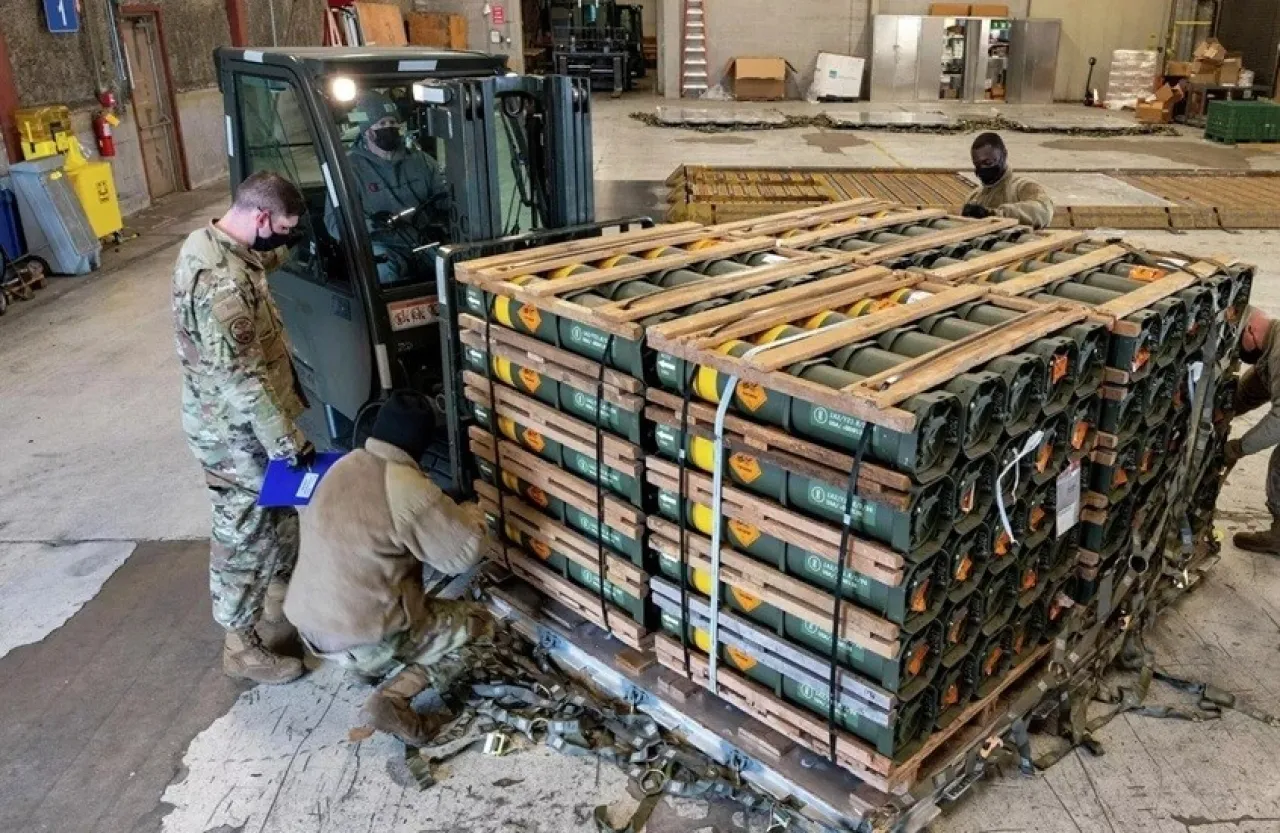
United States - $954 billion
China - $336 billion
Russia - $190 billion
Germany - $114 billion
India - $92.1 billion
Together, these countries accounted for 58% of global military spending.
Regional Variance in Spending
Experts from the institute noted that military spending has decreased in the United States but has risen significantly in other regions:
Europe: increase by 14%
Asia and Oceania: increase by 8.1%
Outside the United States, the total spending increased by 9.2% in 2025.
Europe: Largest increase since the Cold War
Military spending in Europe amounted to $864 billion, up by 14%, the largest annual increase in central and western Europe since the end of the Cold War. The most significant increases included:
Germany: $114 billion (increase of 24%), surpassing the 2.0% of GDP threshold for the first time since 1990
Spain: $40.2 billion (increase of 50%), surpassing 2.0% of GDP for the first time since 1994
France: $68 billion (increase of 1.5%)
United Kingdom: $89 billion (decrease of 2.0%)
Russia and Ukraine: Conflict Consumes the Economy
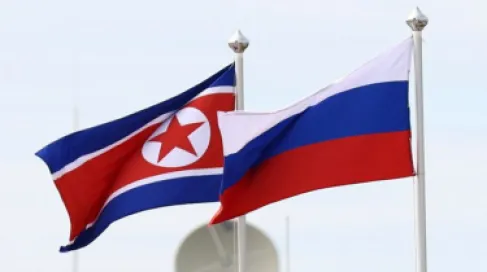
Russia: $190 billion (increase of 5.9%), representing 7.5% of GDP
Ukraine: $84.1 billion (increase of 20%), representing 40% of the GDP, placing it seventh globally
Researcher Lorenzo Scaratsato said, "In 2025, military spending as a percentage of government expenditure reached the highest level ever in both Russia and Ukraine."
Middle East: Minor Increase
Military spending in the Middle East was about $218 billion, up by 0.1%, distributed as follows:
Saudi Arabia (ranked 8th): $83.2 billion (increase of 1.4%)
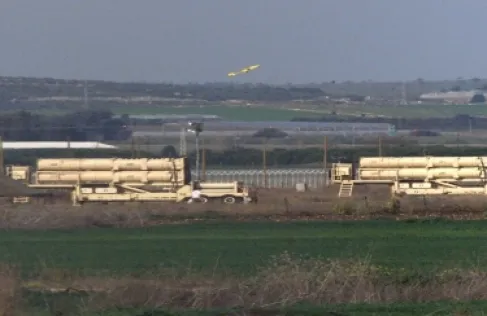
Israel (ranked 11th): $48.3 billion (decrease of 4.9%) with a decrease in the intensity of the war in Gaza, but still 97% higher than in 2022.
Turkey (ranked 18th): $30 billion (increase of 7.2%) due to military operations in Iraq, Somalia, and Syria
Iran (ranked 38th): $7.4 billion (decrease of 5.6%) for the second consecutive year to $7.4 billion, but SIPRI pointed out that "official Iranian data is below reality, as the country also uses off-budget oil revenues to fund its military."
Asia and Oceania: Continuous Military Updates
Spending reached $681 billion, an increase of 8.1% distributed as follows:
China: $336 billion (increase of 7.4%), for the 31st consecutive year
India: $92.1 billion (increase of 8.9%)
Japan (ranked 10th): $62.2 billion (increase of 9.7%), the highest level since 1958
Pakistan (ranked 31st): $11.9 billion (increase of 11%)
Taiwan (ranked 22nd): $18.2 billion (increase of 14%), the largest annual increase since 1988
Researcher Diego Lopez da Silva commented, "US allies in Asia and Oceania, such as Australia, Japan, and the Philippines, are spending more on their armed forces not just due to regional tensions, but also due to increasing uncertainty about support from the United States."
Africa: Strong Growth
Military spending in Africa increased by 8.5% and reached $58.2 billion, with growth in Nigeria by 55% reaching $2.1 billion, due to deteriorating security conditions and rebel movements.
NATO: 55% of Global Spending
Military spending for the 32 NATO member states amounted to about $1.581 trillion, or 55% of global spending. The 29 European NATO members spent a total of $559 billion, with 22 of them spending at least 2.0% of GDP.
Future Outlook
Researcher Xiao Liang commented, "Global military spending rose again in 2025 as nations responded to another year of wars, uncertainty, and geopolitical disruptions with widespread armament programs. Given the magnitude of the current crises, this growth is likely to continue into 2026 and beyond."
Program Director Nan Tian noted that the decrease in US spending in 2025 might be temporary, as Congress authorized it for 2026 at over a trillion dollars, and it could rise to $1.5 trillion in 2027 if Trump's budget is adopted.