Khaberni - We have long viewed the skin as a formidable shield, a thick wall protecting us from environmental fluctuations, but an ancient puzzle about it has continued to haunt scientists.
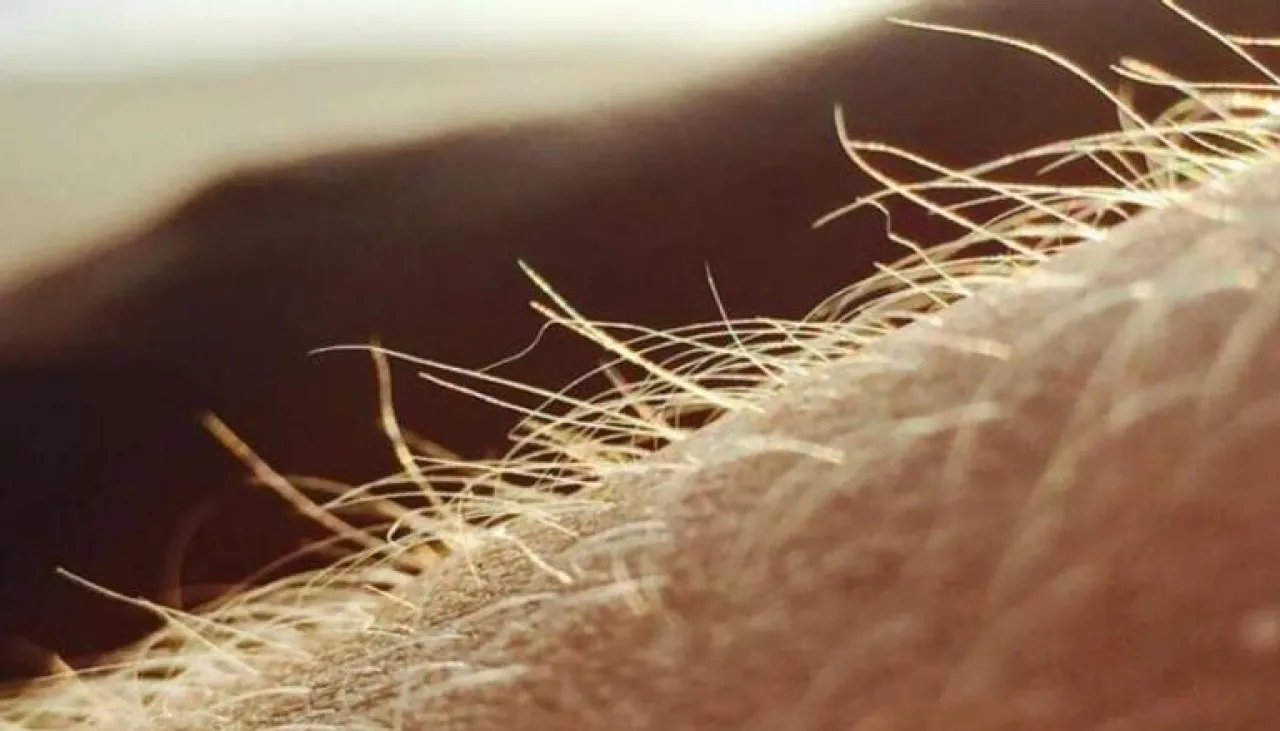
The question has long been, how can this thick wall "feel" microbes and recognize external threats so quickly? And the answer came from an entirely unexpected place, hair follicles.
In a groundbreaking study published in the journal "Frontiers in Cell and Developmental Biology," researchers from the School of Medicine at the University of California revealed the presence of previously unknown immune surveillance structures hidden within hair follicles, acting as sophisticated "monitoring stations" to detect any bacterial invasion.
The research team, led by Dr. David Lu, discovered cells closely resembling the microfold cells, specialized cells previously known to exist only in the intestines and respiratory tracts, where they act as gates for sampling the surrounding environment.
Dr. David Lu, a distinguished professor of biomedical sciences, says, "The question always posed in immunology has been: How does the skin efficiently monitor external threats despite its thickness? The intestines consist of a single cell layer that allows microbial samples to pass through easily, but the skin is multilayered and more complex."
It appears that the solution lies in hair follicles, which act as "smart gaps" or gates allowing the body to focus its immune activity at specific points to monitor microbes, particularly 'Gram-positive' bacteria that cause infections ranging from food poisoning to severe respiratory diseases.
The study goes beyond mere immune surveillance, indicating that these guardian cells are located in areas within the follicle closely linked to "nerve endings," which means that hair follicles could be "operational centers" integrating environmental exposure "receiving external materials", immune sensing "recognizing microbes", and nerve signaling.
Diana del Castillo, the lead author of the study, explains, "These structures change our view of physical barriers; they are not just passive, silent protective layers, but are very active sensory and immune interfaces that respond quickly to microbial stimuli."
The study was conducted on animal models (mice), and the team is now focusing on creating precise anatomical maps of these cells, especially in the "whiskers" of the animals, which are characterized by dense innervation, to understand how they interact with the surrounding nerves and immune cells.
Although the research is still in its early stages, it opens promising doors for understanding skin inflammations, how they occur and evolve, immune disorders that appear on the skin, and the development of medications targeting these "gates" directly to enhance immunity or treat diseases.
Dr. Lu concludes, saying, "We have just begun to understand how these systems are regulated, but it is now clear that the skin participates in immune surveillance dynamically and more complexly than we imagined."