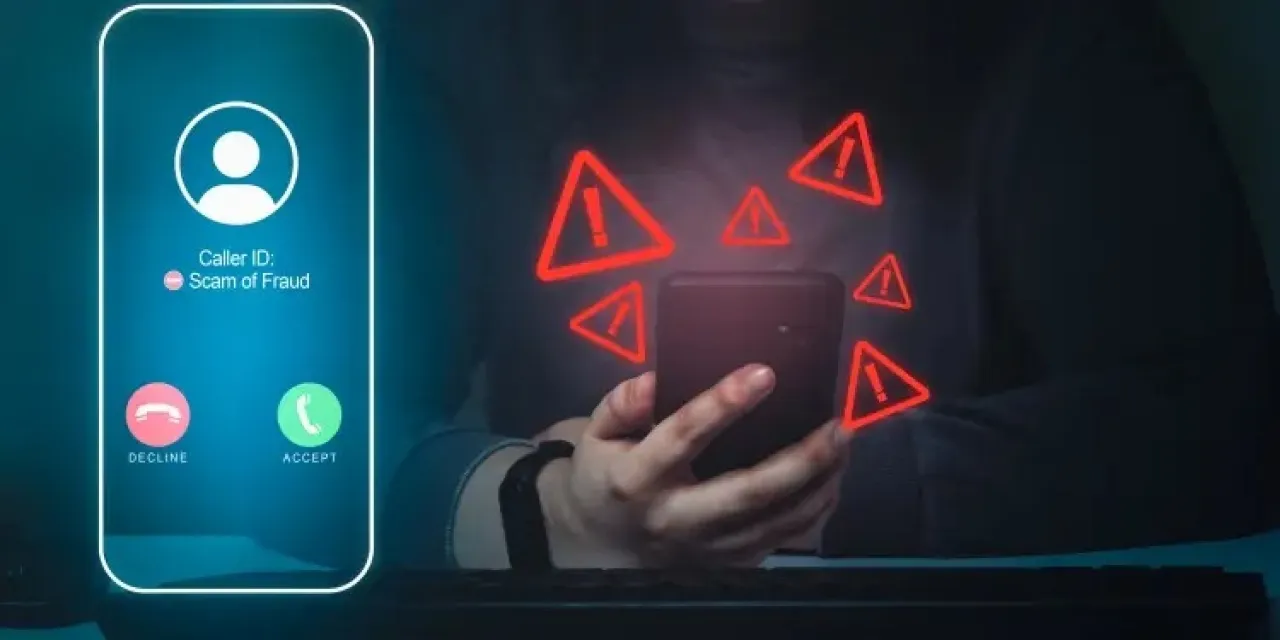
Khaberni - In an era where phone calls have become a common method of fraud, the danger is no longer limited to messages or suspicious links, but has extended to direct calls in which scammers attempt to trick the victim into giving away sensitive information or money.
Therefore, knowing how to act when receiving a scam call has become essential to protect yourself and your data.
What does a scam call look like?
Scam calls often come with clever techniques to convince you, such as:
• Claiming that you've won a prize
• Pretending to be from the bank or an official company
• Requesting personal information or passwords
• Threatening to suspend your account or services
The primary goal is to create a state of urgency or panic so you act without thinking.
First step: Do not provide any information
The most important rule upon receiving any suspicious call is not to share any personal data. Never give out:
• Bank card numbers
• Passwords or verification codes (OTP)
• Account or identity information
Any official entity will not ask for this information over the phone directly.
Secondly: Do not rush to respond
Scammers rely on psychological pressure, like saying "Act immediately" or "Your account will be closed within minutes". Here you need to pause for a moment and think calmly.
If you feel pressured:
• Take a deep breath
• Do not comply with any immediate instructions
• End the call if you feel suspicious
Thirdly: Verify the caller's identity
If the caller claims to be from a bank, company, or government entity, do not believe them directly. Instead:
• Hang up the call
• Contact the official entity using the number on their official website
• Ask about the validity of the information
This simple step prevents many fraud attempts.
Fourthly: Do not click on any links during the call
Some scammers send links via messages during the call and ask you to open them. These links are often:
• Fake websites
• Tools for stealing data
• Malware
Therefore, do not open any untrusted links, even if they appear official.
Fifthly: End the call immediately if in doubt
If you feel something is not normal, the best action is to end the call immediately without discussion. You don't need to justify or apologize.
Afterwards, you can:
• Block the number
• Report it if possible
• Warn others if it’s a recurring issue
How do you ensure later that there is no damage?
After the call ends, it’s wise to take some precautionary steps:
• Review your bank or digital accounts
• Change passwords if you suspect you’ve shared information
• Enable two-step verification
• Monitor any unusual activity
These measures help you detect any hacking attempts early on.
How can you protect yourself from scam calls in the future?
Prevention is better than dealing with the problem after it occurs, so you can adopt some habits:
• Do not answer unknown numbers if it’s not necessary
• Use apps to detect spam calls
• Do not share your number on untrustworthy sites
• Be wary of "too good to be true" offers
Scam calls primarily rely on psychological deception and not just technology. Therefore, the best way to protect yourself is by being aware and acting calmly, not yielding to pressure or threats.
Always remember: any trusted entity will not suddenly ask for sensitive information over the phone. And if in doubt, ending the call is the safest option.