Khaberni - Although oil markets have appeared less tense in recent days than the military situation in the Gulf suggests, this calm may be misleading, according to the British newspaper "The Economist".
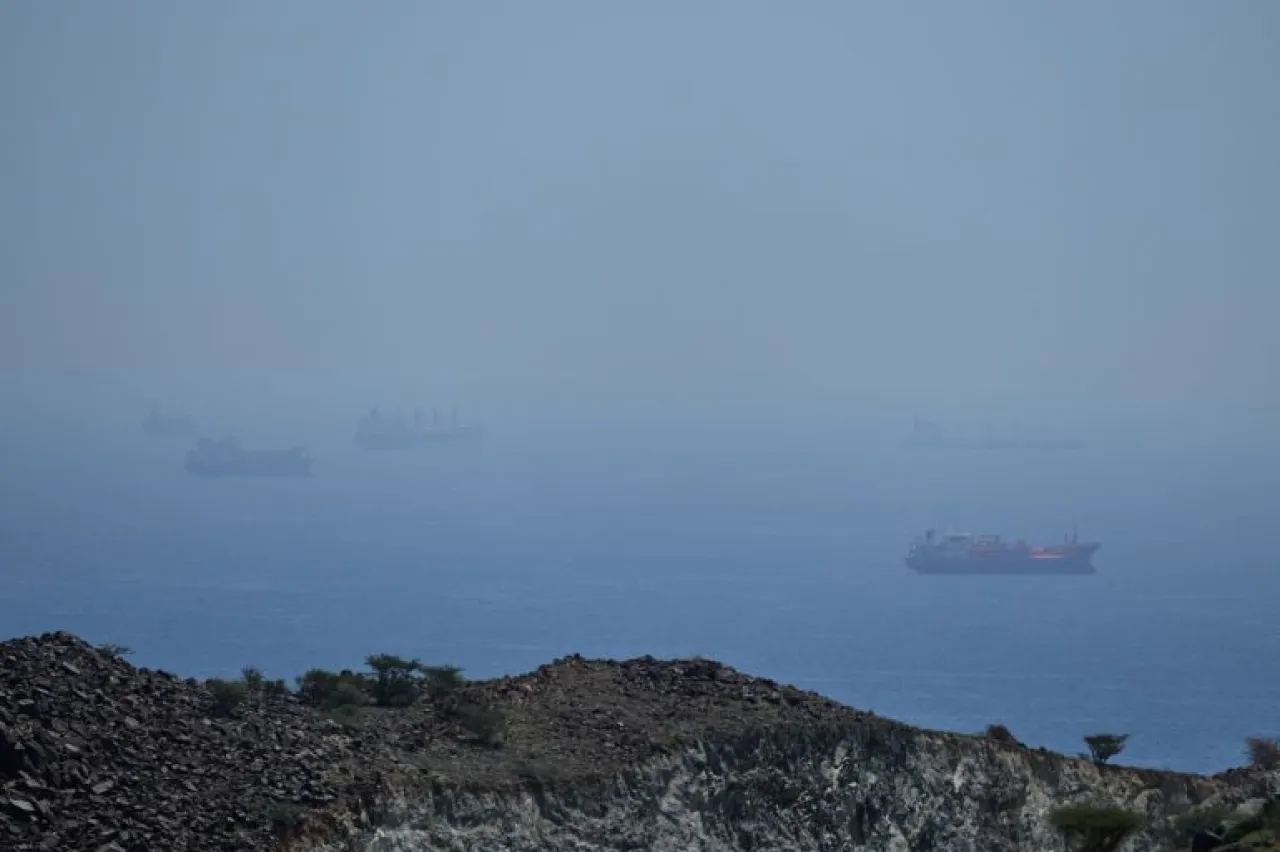
Brent crude fell 10% on April 17 after the Iranian foreign minister announced that the Strait of Hormuz was "fully open", but Iran returned hours later and attacked an Indian tanker, causing crude to rise only 5% in the following trading session.
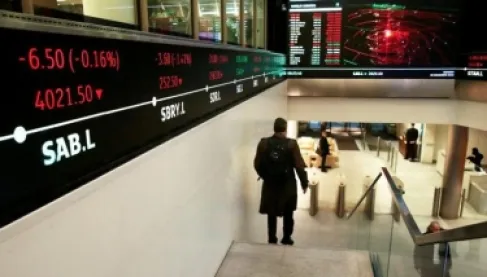
As of Wednesday, April 22, Brent remained near $100 per barrel, amid sharp fluctuations reflecting that traders still bet on a possible breakthrough, despite the actual risks remaining high.
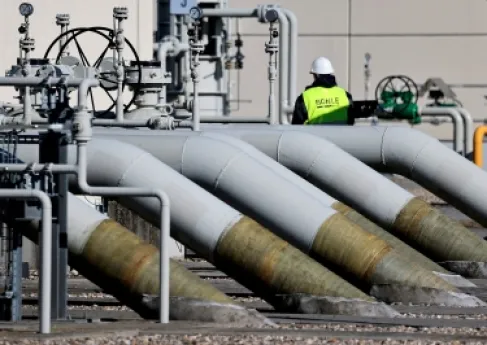
But according to the British newspaper, behind this price calm hides a deeper crisis, as the world lost about 550 million barrels of Gulf oil during 50 days of the American-Israeli war on Iran, which is nearly 2% of last year's world production, and every month that Hormuz remains closed, the market is deprived of 7 million tons of liquefied natural gas, which is about 2% of the annual global supplies, and the danger of this number increases as the shock effect is no longer theoretical or deferred, but has begun to translate into a real shortage in available shipments.
In this context, the Financial Times noted that the last tankers that crossed through Hormuz before the outbreak of the war have arrived or are about to arrive at the refineries, which means that the "buffer" that protected the global market for weeks is about to run out.
According to the newspaper, the arrival of these shipments at their destinations opens a new phase titled the scramble for available barrels instead of relying on stocks that were already at sea.
Misleading Calm
The imbalance is most apparent in the actual market rather than on the futures contract screens, and the British newspaper mentions that one reason for the absence of total panic so far is that a large amount of oil was already at sea when the war began, after the Gulf states increased their exports before the crisis worsened, but these quantities are now depleted.
The magazine adds that stocks of gasoline and jet fuel transported by sea have dropped below historical averages, and may have approached the minimum required to keep maritime trade running smoothly.
On the other hand, the International Energy Agency sharply lowered its global oil demand forecasts for 2026, expecting it to contract by about 80,000 barrels per day instead of the previously expected growth, and said the second quarter may see the largest quarterly drop in demand since the COVID-19 pandemic.
A report by the agency mentioned that the war flipped supply and demand expectations alike, and that continued disruption in Hormuz could lead to a broader shock in the global economy.
For its part, the Wall Street Journal reported analysts at Goldman Sachs saying that global stock levels could drop to record lows even if passage through the strait resumes soon.
This means that reopening Hormuz will not immediately erase the impact, as supply chains, shipping, and refining do not return to normal at the push of a button but need time to refill stocks and restore regular delivery schedules.
Delaying the Shock
The greater pressure appears first in Asia, as it was the main destination for Gulf exports, and "The Economist" says some Asian refineries have already reduced operating rates due to a shortage of crude, at a time when prices of gasoline, diesel, and aviation fuel have risen sharply in spot markets, prompting governments to ration and impose working from home measures in some countries, however, Europe has not yet experienced the same level of "demand destruction", not because supplies are comfortable, but because governments are intervening to ease the burden on consumers.
In the old continent, Reuters reported that the European Commission is leaning towards granting governments more room to provide financial support to companies affected by rising fuel and fertilizer costs, while the Financial Times spoke of increasing difficulty faced by European countries in refilling gas reserves in preparation for winter, with prices remaining high despite a seasonal decline in heating demand.