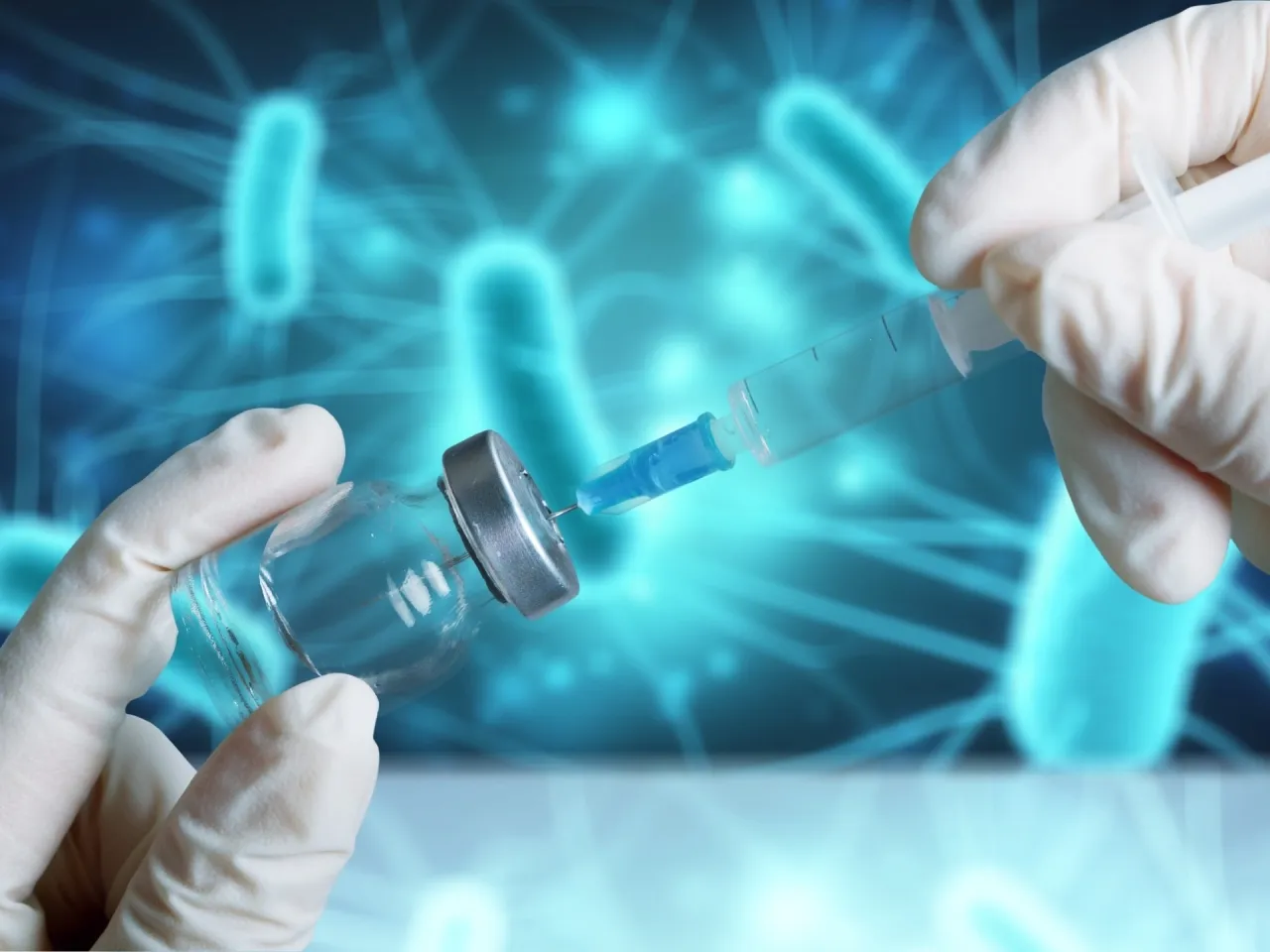
Khaberni - On the verge of World Immunization Week, which coincides with the end of April each year, the Family Health Care Institute (one of King Hussein Foundation's institutes) stands with the esteemed readers to discuss the nature, types, and importance of vaccines in public health, as well as the challenges associated with vaccination, and the role of individuals and communities in making such programs successful.
World Immunization Week is a global health event aimed at raising awareness of the importance of vaccines in preventing infectious diseases and saving lives. Vaccines are one of the greatest medical achievements in human history, having significantly reduced the incidence and mortality rates of many diseases that pose a serious threat to public health.
What are vaccines?
Vaccines are biological preparations given to stimulate the human immune system to recognize disease-causing agents such as viruses and bacteria, and develop immunity against them without causing the disease itself. The concept of a vaccine involves exposing the body to a weakened or inactive version of the pathogen, or part of it, which enables the immune system to "remember" it and counteract it effectively and quickly when exposed to it in real life.
The importance of vaccines in public health:
Vaccines have played a pivotal role in eliminating severe diseases such as Smallpox, and have contributed to controlling other diseases such as Polio and Measles. Thanks to national and global immunization programs, the rates of these diseases have significantly decreased, saving millions of lives annually, especially among children.
The benefits of vaccines are not limited to individual protection alone, but extend to what is known as "herd immunity," where vaccinating a large portion of the population helps reduce the spread of disease within the community, thus protecting those who are unable to receive the vaccine for health reasons.
Types of vaccines:
Vaccines vary according to their manufacturing methods and mechanisms of action, with prominent types including:
1 - Live Attenuated Vaccines:
Contain a live part of the pathogen that has been weakened in the lab to ensure it does not cause disease in healthy individuals. These vaccines elicit a strong and long-lasting immune response. Examples include the Measles, Mumps, and Rubella (MMR) vaccine.
2 - Inactivated Vaccines:
Contain pathogenic organisms that have been killed or inactivated chemically or thermally. Although they cannot cause the disease, they often require booster doses to maintain immunity. An example is the inactivated Polio vaccine.
3 - Subunit Vaccines:
Contain specific parts of the pathogen, such as proteins or sugars, and are very safe because they do not contain the entire organism. An example is the Hepatitis B vaccine.
4 - Toxoid Vaccines:
Used when the disease results from toxins released by bacteria, where the toxin is inactivated and converted into a "toxoid" that stimulates the immune system. An example is the Tetanus vaccine.
5 - mRNA Vaccines:
A modern technique used to deliver genetic instructions to body cells to produce a specific protein from the pathogenic agent, stimulating the immune response. This technology became famous during the COVID-19 pandemic.
6 - Viral Vector Vaccines:
Rely on the use of a harmless virus as a vector to deliver genetic material from the pathogen into the body, leading to immune stimulation.
Vaccine Safety:
Vaccines undergo rigorous testing before approval, including multiple stages of clinical trials to ensure their effectiveness and safety. They are continuously monitored after being introduced to the market to detect any rare side effects. Generally, vaccines are very safe, and their benefits far outweigh any potential risks.
Challenges associated with vaccination:
Despite the significant benefits of vaccines, there are still challenges facing immunization programs, including the spread of misinformation about vaccine safety, which leads to some individuals hesitating to receive them. Additionally, some countries suffer from a lack of vaccine availability or weak health infrastructure, hindering access to those most in need.
Role of individuals and the community:
Individuals play a fundamental role in the success of immunization programs by adhering to the recommended vaccination schedules and raising awareness among community members. Governments and health institutions bear the responsibility of providing vaccines and ensuring safe and fair access for all.