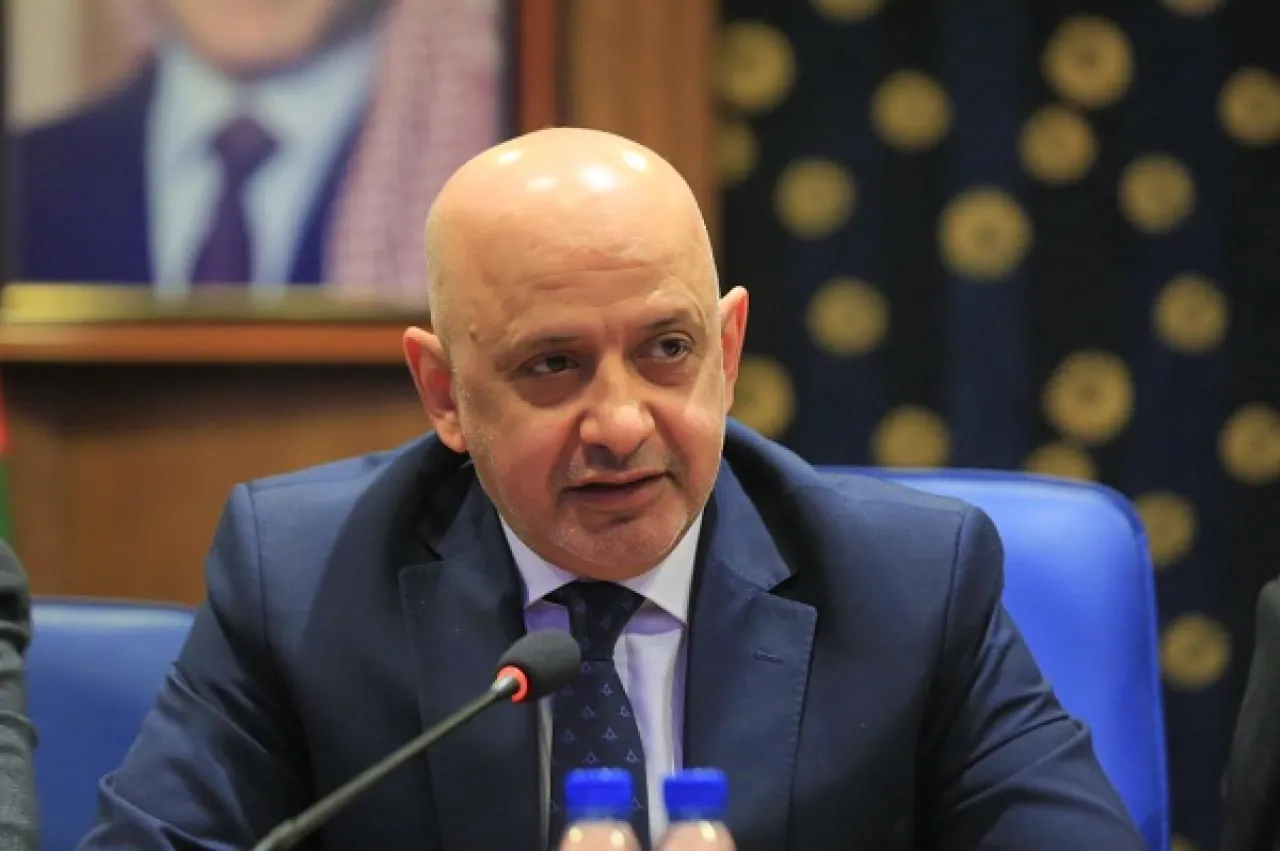
Khaberni - The head of the Jordan Chamber of Commerce, the guild leader of foodstuff traders, Senator Khalil Hajj Tawfiq, said that there are real reasons behind the rise in the prices of imported meats, most notably the increase in shipping fees and the rise in global demand, alongside the shutdown of several airline routes that were helping transport quantities.
Hajj Tawfiq added, during a meeting with companies importing fresh and frozen meat, to discuss the causes of the price increases and ways to mitigate the effects of global hikes, that the guild will launch an initiative to encourage malls and hypermarkets to sell meat at cost price during the current period, until the crisis subsides, to alleviate the burden on citizens.
In the same context, the Minister of Industry, Trade, and Supply, Yarub Al-Qudah, emphasized the government's commitment to taking effective and swift actions to curb the rise in prices of basic goods globally, primarily meats, aiming to balance sustainable supply and consumer protection.
This was stated during a meeting held by Al-Qudah, attended by the Minister of Agriculture Saib Khraisat, and the head of the Jordan Chamber of Commerce Senator Khalil Hajj Tawfiq, with importing companies, to discuss the reasons for the price increases amid supply chain disruptions.
Al-Qudah said that the ministry, in cooperation with the Ministry of Agriculture and in partnership with the private sector, will work on addressing the causes of the rise in meat prices, increasing the quantities imported to the kingdom, and considering additional measures to support importation and limit price increases.
He referred to intensifying market surveillance in the upcoming stage to prevent any monopolistic practices or unjustified price gouging, stressing the importance of partnering with the private sector to ensure market stability.
Meanwhile, the Minister of Agriculture, Saib Khraisat, affirmed that the ministry will facilitate opening new import markets and work on increasing imported quantities, in addition to enhancing the food stock through diversifying import sources, ensuring the continuous availability of meats in the local market.
On the other hand, the importers confirmed that there are no monopolistic practices, noting their intentions to double the imported quantities in the coming period, and aim for new, less costly markets.