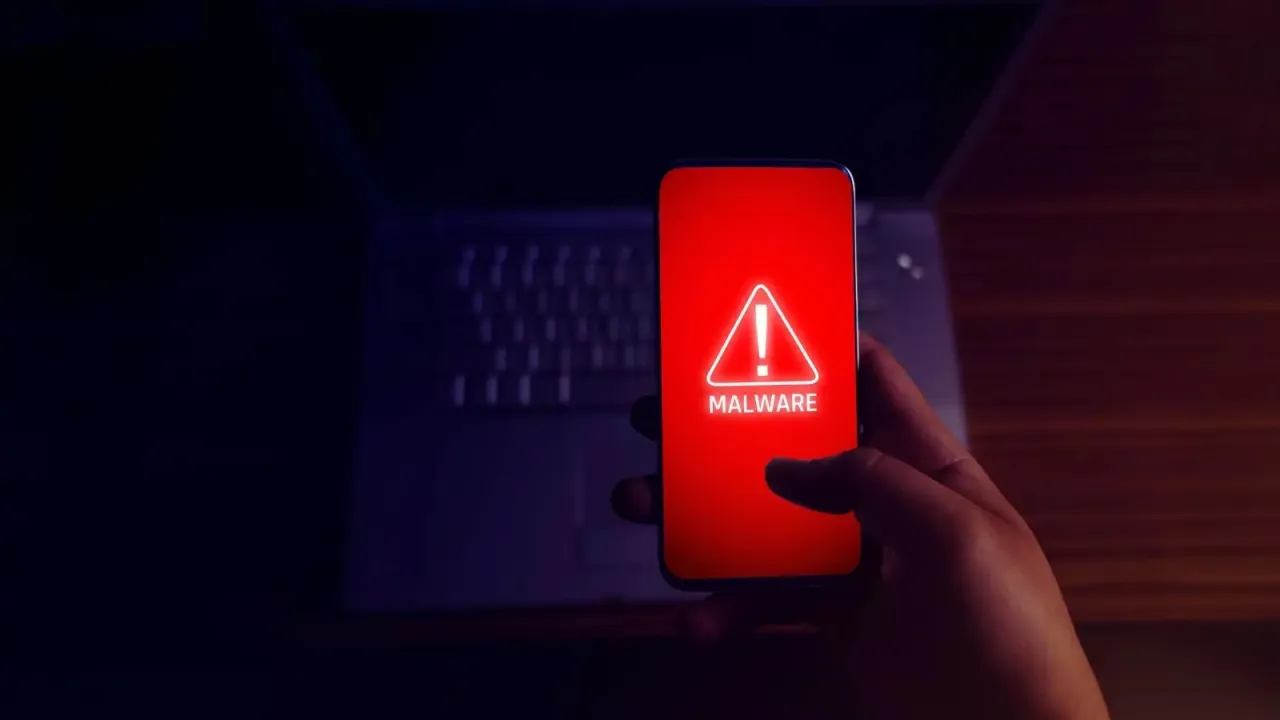
Khaberni - Recent tech reports have warned about the spread of a new virus targeting Android devices, named Brokewell, characterized by its ability to fully control the phone and access sensitive data, with significant difficulty in removing it through traditional deletion attempts. This threat reflects the growing complexity of cyber attacks targeting users around the world.
How it works
This type of malware depends on exploiting what's known as accessibility services within the Android system, which are features originally designed to assist users but can be maliciously used to grant extensive permissions to applications.
Once the device is infected, the virus can almost fully control the phone, including reading messages, accessing apps, and even executing commands without the user’s knowledge. It can also intercept verification codes, allowing attackers access to financial and personal accounts.
Why is it hard to delete?
The danger of this virus lies in its ability to prevent the user from easily removing it, even after a factory reset, especially on older or outdated devices. The virus operates in the background and prevents uninstallation using conventional methods.
In some cases, it may disappear from the applications list, making it harder to detect. In more advanced cases, it can penetrate deeply into the system.
Signs of infection
The most prominent signs that may indicate a phone infection include unexpected slowdowns in performance, the appearance of unknown apps, abnormal battery or data usage, and messages or activities not performed by the user. Experts advise monitoring any unusual behavior, especially after installing apps from unreliable sources.
Protection steps
Security experts recommend several steps to address this threat, including running the phone in safe mode to stop malicious apps, reviewing installed apps and deleting any suspicious ones. It is also important to disable accessibility permissions for unknown apps, use a reliable protection program to scan the device, and update the operating system to the latest available version.
In more complex cases, the ultimate solution might be reinstalling the system completely or replacing the device if it is old and does not receive security updates. Reports indicate that devices operating on older versions of Android are more vulnerable to these attacks, due to not receiving regular security updates.
The ongoing battle
This virus reflects a new development in cyber-attack techniques, where malware no longer only steals data, but can also take complete control over devices. With this continued evolution, prevention and regular updates remain the first line of defense to protect users in the digital world.