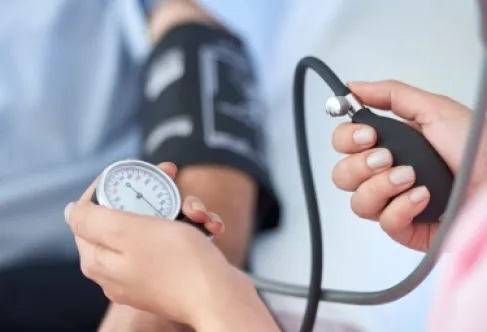
Khaberni - In a notable development in the treatment guidelines for high blood pressure, a recent study revealed that lowering blood pressure to levels below 120 mmHg could offer greater heart protection compared to traditional targets. According to a report on the "ScienceDaily" website, this approach can significantly reduce the risk of heart attacks and strokes.
The findings indicate that targeting a systolic blood pressure of less than 120 mmHg resulted in a greater reduction in cases of heart failure and stroke, compared to higher levels like 130 or 140 mmHg. Researchers relied on extensive data analysis and simulation models to estimate the long-term health impact.
The study also showed that this approach remains effective even considering common measurement errors in clinics, which enhances the reliability of the results in practical reality.
Benefits versus Risks
Despite these benefits, aggressively lowering blood pressure is associated with an increased likelihood of certain side effects, such as acute hypotension, kidney problems, or dizziness and falls. This approach also requires the use of more medications and frequent medical visits, which raises the cost.
However, analyses have shown that this level of treatment remains "cost-effective", with an estimated cost of about $42,000 per quality-adjusted life year, an acceptable standard in health assessments.
Researchers emphasize that these results are applicable at the population level, and do not mean that the low target is suitable for all patients, as responses vary depending on the individual's health condition, age, and risk factors.
Therefore, it is advised to make the decision jointly between the doctor and the patient, to determine the most appropriate level of treatment without exposing the patient to unnecessary risks.
Ultimately, this study suggests that more stringent blood pressure lowering may offer additional heart benefits, but achieving this target requires a careful balance between efficacy and risks.