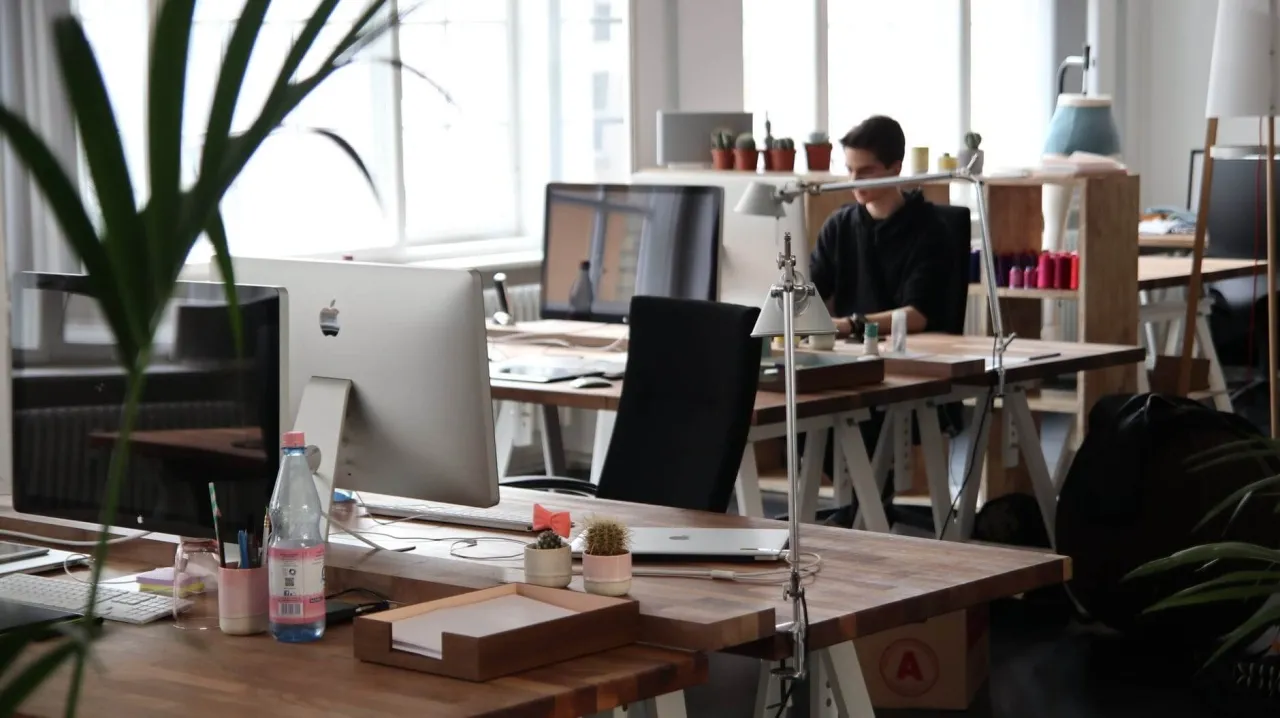
Khaberni - Questions about what is medically known as "sick building syndrome" are raised from time to time. This condition is not new, as it was defined by the World Health Organization in the early 1980s to describe a set of symptoms that some people experience within certain buildings and disappear once they leave.
The symptoms range from headaches, fatigue, nausea, and mental confusion, to sneezing, coughing, severe itching, and dizziness that may appear just minutes after being inside certain offices or enclosed buildings.
Despite there being no single clear and specific cause for this syndrome, according to the "New York Post", experts confirm that the empirical reality makes it a genuine experience for many. It is referred to as a problem associated more with the building itself than the person, according to specialists in allergies and indoor environments.
Enclosed environment.. and multiple factors
Researchers link this condition to a variety of factors inside modern buildings, most notably poor air quality, lack of ventilation, accumulation of dust or mold, in addition to chemical pollutants from cleaning materials or furniture, as well as humidity or water damage, and even artificial lighting and lack of exposure to natural light.
The psychological aspect, linked to the open plan office environment and the daily pressures and recurring social interactions it imposes, cannot be ruled out either.
Women are more affected
Some studies suggest that women are more susceptible to symptoms of this syndrome, which recent research links to biological and social factors, as well as differences in immune response and sensitivity to certain pollutants.
Studies have also shown that a percentage of modern or renovated buildings might exhibit something similar to "sick building syndrome", especially with the prevalence of enclosed buildings reliant on air conditioning systems as opposed to those with natural ventilation.
The most common symptoms among affected individuals include skin problems, dizziness, breathing difficulties, anxiety, and digestive disorders.
Suggested solutions
Recent studies suggest a set of measures to improve the quality of the indoor environment, including increasing plants, improving ventilation and air quality, developing lighting systems, reducing noise, and enhancing environmental control within buildings.
Experts believe that the design of modern buildings should consider human health as a fundamental element, not merely a secondary factor, making the office environment more comfortable and less harmful in the long term.
Conversely, some employees who suffer from these symptoms indicate that the issue is often ignored, despite its direct impact on productivity and daily quality of life in the workplace.