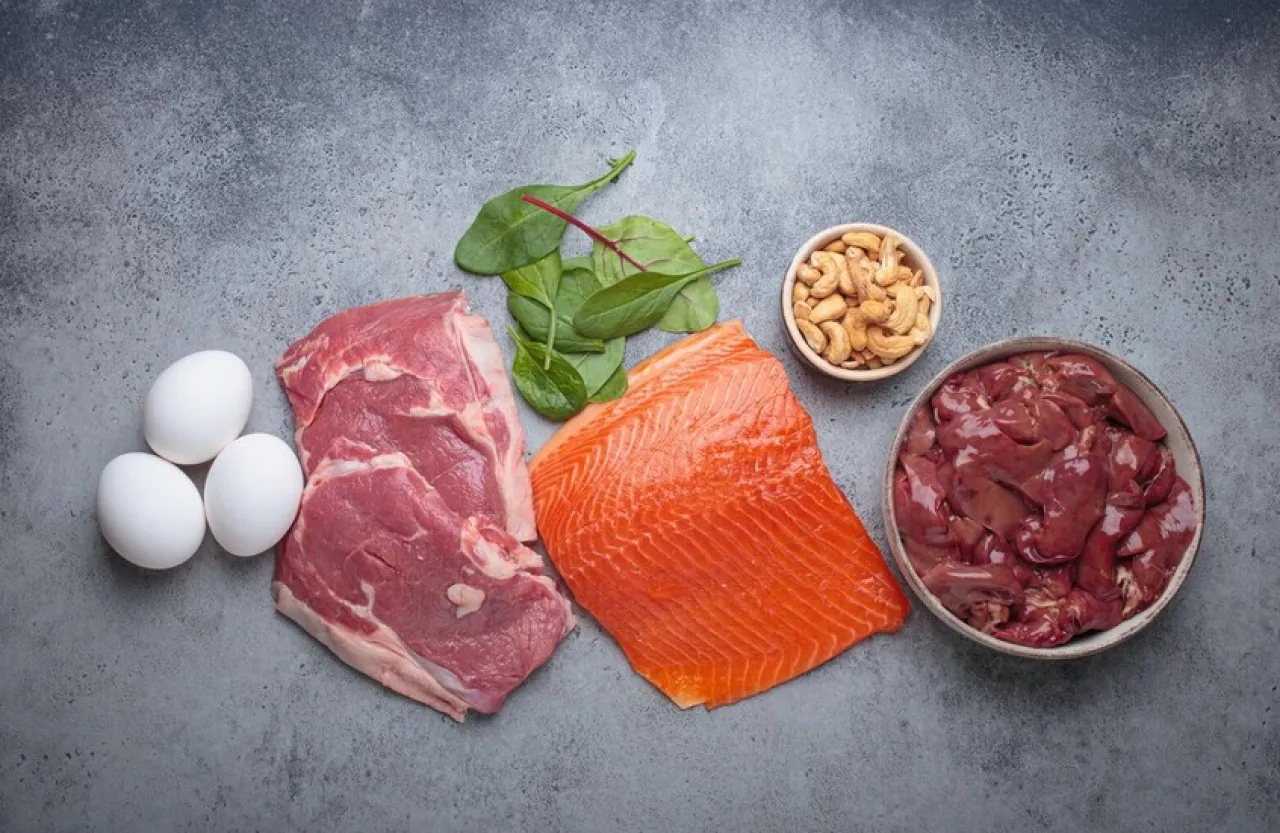
Khaberni - Protein is one of the most crucial nutrients essential for body functions such as muscle building, tissue repair, enzyme production, and hormone synthesis. However, some individuals might experience a deficiency due to unbalanced diets or specific health conditions, impacting vital body functions negatively.
In this context, Dr. Aravind Badger explained in an interview with HT Lifestyle magazine, the leading signs that may indicate the body is not receiving enough protein.
Constant fatigue and general weakness
The doctor notes that persistent tiredness is one of the most common signs of protein deficiency. In such cases, the body resorts to breaking down muscle mass to generate energy, leading to decreased overall activity and fatigue.
Muscle mass loss
Protein directly contributes to maintaining healthy muscles. With a deficiency, the body gradually starts losing muscle mass, weakening the ability to perform daily activities.
Frequent illnesses
Protein plays a crucial role in supporting the immune system through the construction of antibodies. A deficiency could weaken the body’s defenses, making a person more prone to infections and slow recovery.
Hair loss
Protein deficiency is linked to deteriorating hair health, as keratin is one of its key components. This can lead to weakened follicles, increased hair fall, and thinning.
Swelling and fluid retention
According to the doctor, low protein levels may lead to a disruption in the body’s fluid balance, causing accumulation in the tissues and resulting in swelling—a condition medically known as edema.
Brittle nails and dry skin
Protein deficiency also affects the health of skin and nails, potentially causing dry skin and weak, easily breakable nails. These are signs that should not be ignored.
Constant hunger and cravings for sweets
Protein helps promote a feeling of fullness; therefore, its deficiency may lead to increased feelings of hunger and frequent cravings for carbohydrates and sugars.