Khaberni - Cardiovascular diseases, which include high blood pressure, heart attacks, and strokes, are linked to lifestyle factors such as consuming foods rich in fats, obesity, and physical inactivity.
To prevent these conditions, experts recommend adhering to a balanced diet that includes lean meats, vitamin-rich vegetables, and whole grains. In this context, garlic emerges as a natural option that may offer significant benefits for heart health.
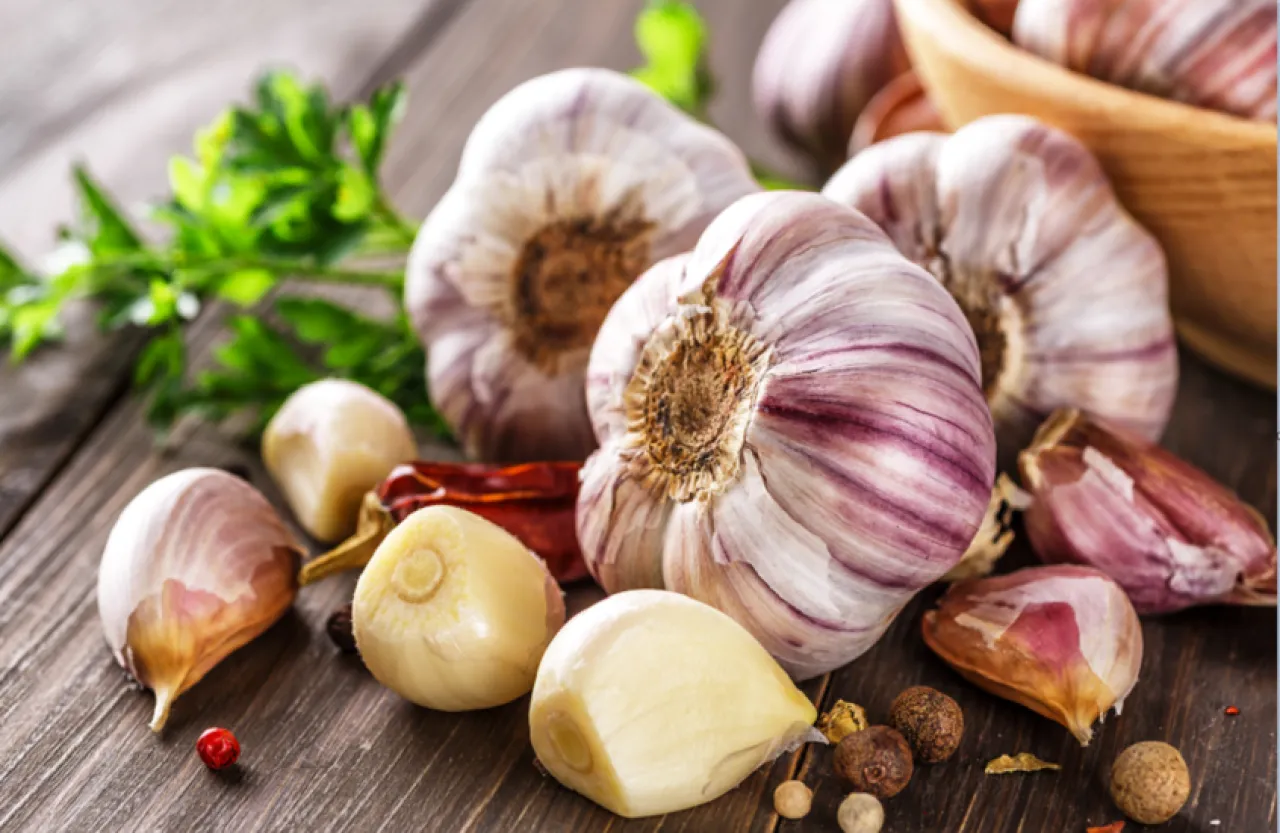
Garlic has been known for thousands of years for its anti-inflammatory properties and its role in lowering blood pressure and cholesterol levels. Although it is widely available and inexpensive, its strong odor may cause some to avoid it, leading to the popularity of dietary supplements derived from it, available in odorless and tasteless pills and capsules.
These supplements are noted for their ease of use and reasonable cost, with prices ranging between $4 and $25 per package, providing a practical alternative to fresh garlic. Some studies suggest that they may offer similar health benefits.
Garlic’s effects are attributed to the compound "allicin," the active substance responsible for its distinctive smell. This compound helps relax blood vessels and reduce blood pressure by lowering the production of the hormone "angiotensin II," which causes their constriction. It also helps reduce harmful cholesterol (LDL) and limit its oxidation, a process associated with arteriosclerosis.
Garlic also enhances the production of nitric oxide, which helps relax blood vessels, in an effect similar to some blood pressure medications.
Although fresh garlic usually contains a higher concentration of "allicin," dietary supplements also provide effective amounts of it, although the absorption rates vary between products.
Recent scientific studies suggest that consuming garlic—whether fresh or as a supplement—may lead to significant improvements in blood pressure, cholesterol levels, and triglycerides, especially among those more prone to heart disease, although these benefits are generally described as limited but measurable.
Some research has also shown improvements in arterial elasticity after using garlic extract, along with potential benefits for digestive health, resulting from its support of beneficial bacteria in the intestines.
However, specialists note that long-term evidence remains inconclusive, as studies have not yet proven the ability of garlic supplements to directly reduce the risks of heart attacks or strokes.
Garlic or its supplements may cause some side effects, such as digestive disturbances, especially in those with irritable bowel syndrome. It may also increase—though rarely—the risk of bleeding, especially in those taking blood thinning medications or preparing for surgical procedures.
Therefore, experts recommend those who are not allergic to garlic components and are not bothered by its taste or odor, to consume it in its natural form whenever possible, considering it a cost-effective dietary option that provides multiple health benefits.