Khaberni - Recent research has revealed that the damage from smoking may not be limited to its known effect of reducing oxygen reaching the brain, but also extends to include dysfunction in communication between the lungs and the brain due to nicotine.
It has been known that smoking significantly increases the risk of dementia. A study from 2011 found that heavy smoking in mid-life doubles the risk of dementia and Alzheimer's more than twenty years later.
However, dementia is among the less studied effects because smokers often die at a younger age before symptoms appear.
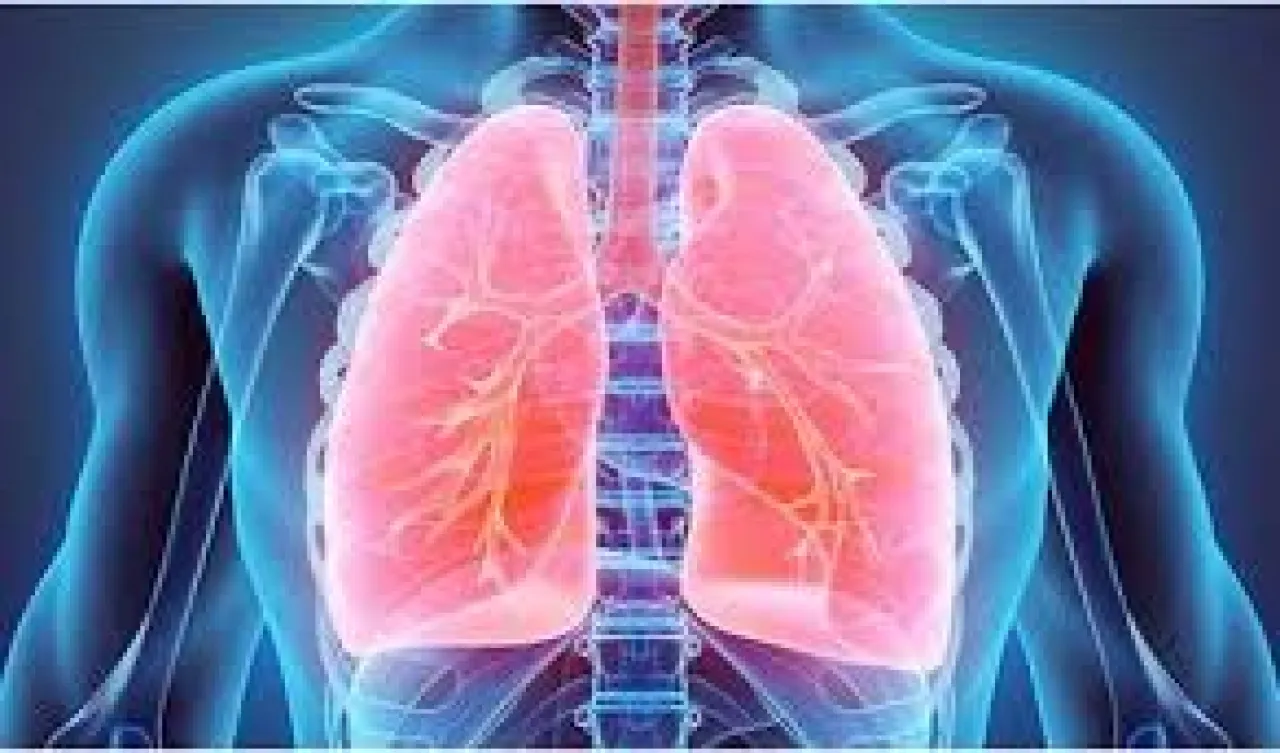
The new discovery, published by the University of Chicago in the journal Science Advances, reveals a previously undiscovered pathway from the lungs to the brain, through rare cells called "pulmonary neuroendocrine cells" (PNECs). When these cells are exposed to nicotine, they release small molecules known as "exosomes," or extracellular vesicles, which in turn disrupt the iron balance inside neurons, leading to symptoms similar to those seen in dementia patients.
Researcher Kui Zhang from the University of Chicago explains that this research proves there is a "clear axis between the lung and the brain" that helps explain the relationship between smoking and cognitive decline, and opens up avenues for protecting neurons from smoke damage.
The team emphasizes that the lung is not just a passive organ affected by smoke, but an "active organ that sends signals affecting the brain," according to assistant professor Joyce Chen.
Pulmonary neuroendocrine cells act as important sensors in the airways, but are very rare (less than 1% of lung cells), making their study difficult.
To overcome this problem, the researchers generated copies of these cells in the lab using human stem cells.
When these cells were exposed to nicotine, they released large amounts of exosomes rich in a protein called "serotransferrin," which regulates the flow of iron in the blood. This essentially means that every cigarette puff prompts the lungs to send erroneous signals to the body to change how it handles iron.
Then, the vagus nerve, which extends from the brain to the chest and abdomen, carries these disturbed signals to the brain, leading to an imbalance of iron, then oxidative stress and dysfunction in mitochondrial functions (Mitochondria - the "power stations" of the cell), all of which are known markers in neurodegenerative diseases.
The team continues its research to find out whether preventing the release of these exosomes could have therapeutic uses.
Although applying this to humans is still a long way off, this discovery is an important step in understanding how the lungs and brain communicate, and opens new perspectives for the prevention of smoking-related dementia and neurodegenerative diseases.