Khaberni - The NMN supplement, associated with anti-aging, is garnering increasing interest in health circles. According to a report on “Verywell Health,” a recent study suggests that this compound may help reduce blood pressure, but the effect remains limited.
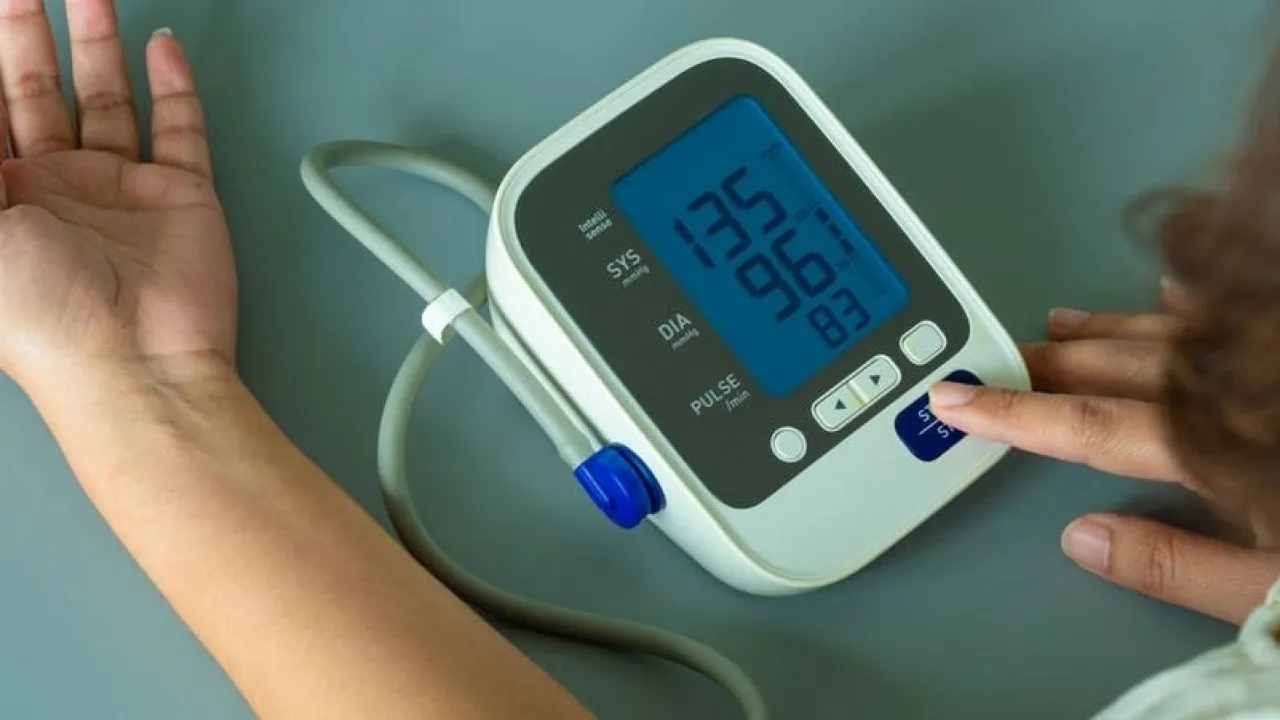
A review of 10 randomized trials involving 349 participants showed that NMN intake was associated with a slight decrease in diastolic blood pressure by about 2 mm Hg, with no significant effect on systolic pressure among the general participants.
Results also revealed that individuals over 60 years of age might see a relatively greater benefit, with a reduction in diastolic pressure by about 3.94 mm Hg. However, researchers described these findings as “modest,” especially when compared to the effects of lifestyle changes.
What is NMN?
NMN is a precursor compound that helps the body produce NAD+, a crucial element in cellular energy production and DNA repair. As we age, the levels of this molecule decrease, prompting the promotion of the supplement as a potential anti-aging aid.
However, experts indicate that increasing NAD+ levels in the blood doesn’t necessarily translate to direct health benefits, as the relationship between biomarkers and clinical outcomes remains unresolved.
The study confirms that the sample size was relatively small, and the duration of the trials was short, not including crucial outcomes like heart attacks or strokes. This limits the ability to generalize the results or consider them as conclusive evidence.
In contrast, proven strategies such as the DASH diet, physical activity, and reducing sodium intake, demonstrate far greater effects, potentially lowering systolic blood pressure by between 8 to 14 mm Hg.
In summary, NMN may offer some potential benefits as an adjunct, but it is not a substitute for proven health changes, and current evidence suggests a limited association that does not rise to the level of a confirmed causal relationship.