Khaberni - Israeli agricultural exports face almost complete paralysis due to the repercussions of the American-Israeli war on Iran, causing losses estimated at millions of dollars to farmers, amid urgent calls for government intervention to prevent worsening of the crisis, according to Yedioth Ahronoth.
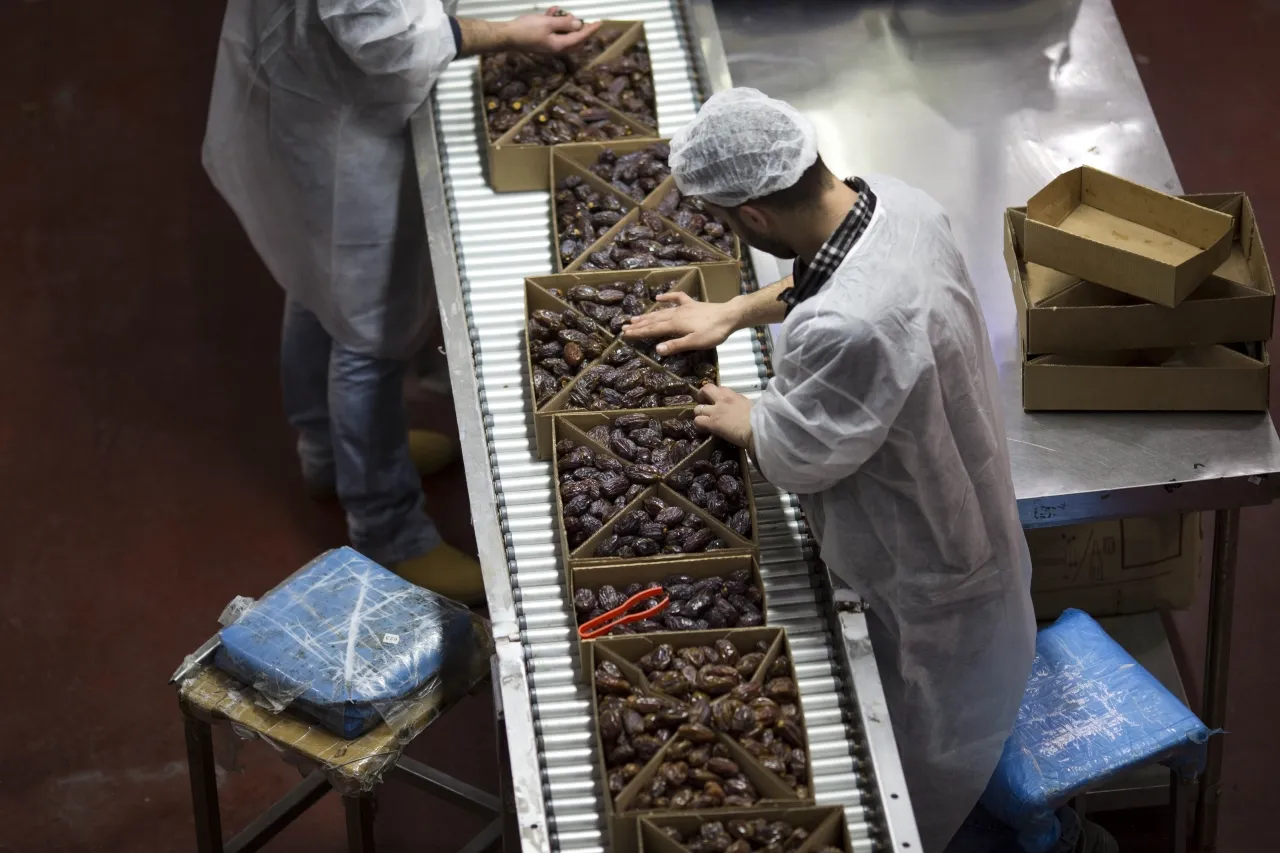
The Israeli newspaper explained that the agriculture sector has suffered severe losses since February 28th, as farmers are unable to export their products, indicating that the sectors most affected are the cultivation of fresh herbs followed by citrus fruits, avocados, and vegetables intended for industry.
The newspaper quoted the General Director of the Plant Council, Ezra Baker, calling on the government to provide immediate support, saying, "Farmers protect food security and must be compensated before it's too late," noting that the continuation of the war is exacerbating the economic damages suffered by workers in this sector.
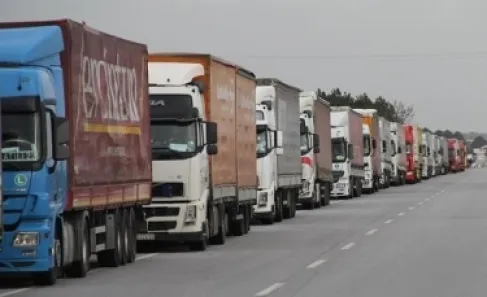
These developments come at a time when agricultural supply chains are under increasing pressure due to the suspension of flights and delays in shipments at ports, rising costs of transportation and insurance, leading to a disruption in exporting key products such as fresh herbs, citrus fruits, and avocados.
Export Paralysis
The cultivation of fresh herbs -such as basil, rosemary, and arugula- is the most affected, as Israel exports about 3500 tons annually through air freight to Europe and East Asia. However, the suspension of flights, along with near-complete paralysis at Ben Gurion Airport, has led to a halt in exports at the peak of the season.
The newspaper also warned of the risks of losing international clients' trust, which could lead them to terminate future contracts, at a time when local demand is also declining due to the closure of restaurants and event halls.
Extended Pressures
The repercussions are not limited to herbs, as the citrus and avocado sectors -which export annually between 100 and 120 thousand tons of citrus fruits and about 140 thousand tons of avocados- face increased challenges during the peak season, with ship delays at ports, rising storage costs, and declining product quality.
Additionally, the costs of maritime shipping have sharply increased due to rising insurance premiums and fuel prices, adding pressure on farmers' profit margins and increasing their losses.
In the same context, the sector of industrial vegetables has been significantly affected, as factories in northern Israel reduced their operational capacity in compliance with security directives, which reduced their ability to absorb crops, especially with the beginning of the harvest season for some products like peas, leading to declining demand and additional losses for farmers.
Escalating Costs
Alongside the disruption of exports, the agricultural sector faces increasing pressures on costs, as fertilizer prices in Israel have risen by up to 180%, amid a global shortage caused by damage to production facilities in the Emirates, representing about 30% of global supplies of potassium nitrate and phosphate fertilizers.
Since fertilizers represent about 10% of agricultural production costs, these increases are likely to be directly passed on to food prices, heralding a wave of food inflation in the local market.
Also, plastic material prices -linked to oil prices- have risen by up to 35%, increasing the costs of packing, packaging, and agricultural infrastructure, from greenhouses to irrigation systems.
Extended Risks
Estimates warn that the crisis is not limited to immediate losses, but extends to risks of losing trust among international clients, potentially leading to the cancellation of future contracts and undermining the market share of Israeli agricultural products in the long term.
Moreover, the decline in local demand, due to the closure of restaurants and event halls, exacerbates the crisis, as it coincides with the disruption of exports.
These developments reflect the transition of war repercussions from energy and transportation sectors to direct production sectors such as agriculture, deepening economic pressures and reshaping the risk map in the Israeli economy.