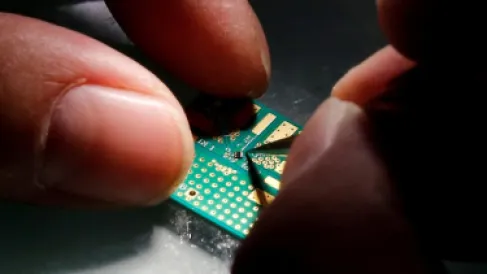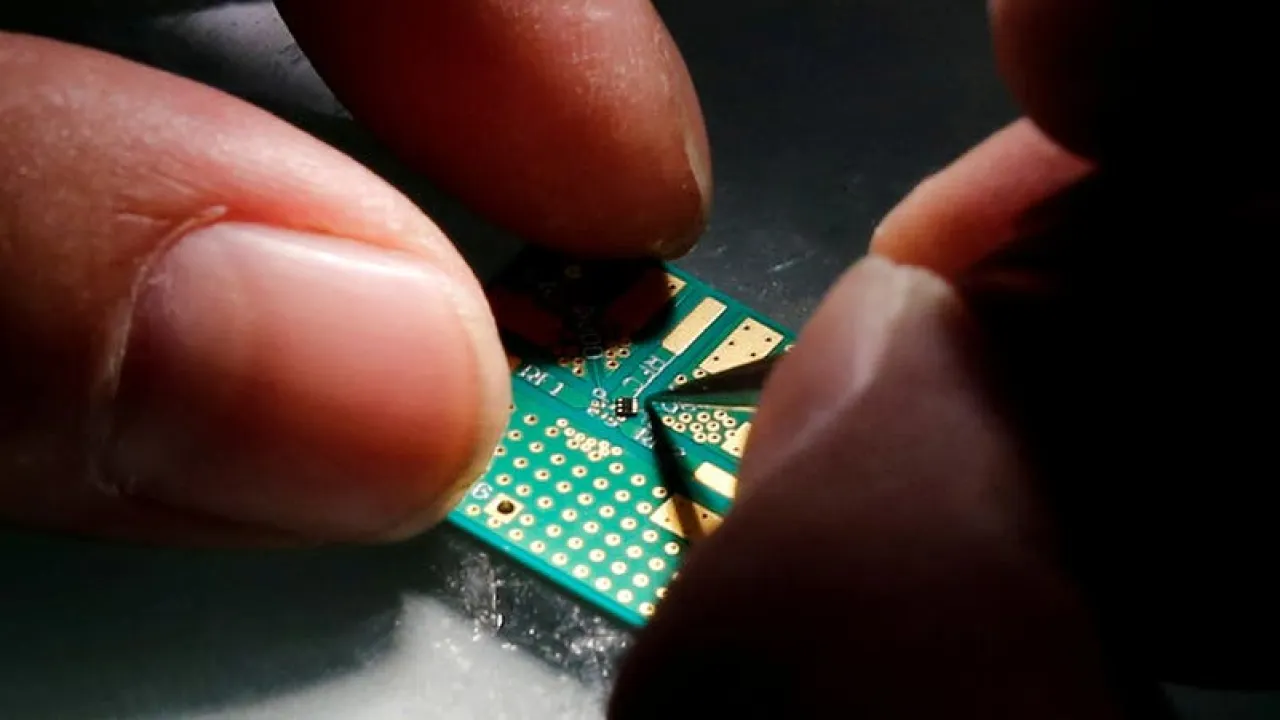
Khaberni - The global semiconductor industry is facing a new challenge as helium gas reserves in South Korea are nearing depletion, an essential element in the manufacturing processes of electronic chips.
Helium is used in vital stages of chip production, which include cooling, leak detection, and precision manufacturing processes, making it an indispensable material in this vital industry.
Price Increases and Supply Disruptions
Helium prices have experienced a sharp increase recently, doubling approximately since the end of February, driven by disruptions in global supply chains, particularly through the Strait of Hormuz, through which a significant percentage of shipments pass, according to a report published by "phonearena".
According to a Reuters report, South Korea's helium reserves might only last until next June, putting increasing pressure on the country's technology sector.
Major Companies Under Pressure
Major corporations such as "Samsung" and "SK Hynix" heavily depend on these supplies, and are currently trying to bolster their stocks by importing helium from America, despite the rising costs.
Reports from informed sources indicate that securing supplies is currently a top priority, even with the significant price increase.
Decline in Global Supplies
The crisis was exacerbated after Qatar, the second largest supplier of helium in the world, declared a force majeure, leading to a significant decrease in the global supply, estimated at about one-third of the supplies.
Despite optimistic official statements from Korean Minister of Industry Kim Jong Kwan about the stability of the situation in the short term, reality suggests increasing pressure, as companies rely on limited reserve stocks that may not withstand for long.
Anticipated Global Repercussions
Supply chain experts at Semicon China conference warned that the shortage of helium represents a real concern, given its direct effects on the production of electronic chips.
As the crisis continues, its repercussions are expected to extend to various technological industries around the world, potentially leading to increased prices of electronic devices and delays in supply chains, at a time when demand for chips is accelerating.