Khaberni - The Israeli army announced on Tuesday the death of four of its soldiers, including an officer, during clashes in southern Lebanon, marking the most significant losses since it resumed its aggression on Lebanon on March 2.
The army stated in an official statement that three of the deceased belonged to the reconnaissance unit of the Nahal Brigade: Captain Noam Madmoni from Sderot, Sergeant Ben Cohen from Lahavim settlement, and Sergeant Maxim Antes. A fourth soldier was also killed in the same incident, but his name has not been revealed yet.
Close combat and evacuation under fire
The statement noted that three other soldiers were injured in the same incident, one of them seriously, while the others suffered moderate to minor injuries.
Israeli media reported that the evacuation of the dead and wounded took place under gunfire, with clashes continuing at the site of the incident.
Ambush and anti-tank missiles
Arab TV correspondent in Jerusalem, Ahmad Jaradat, reported that Channel 12 Israel disclosed some details about the operation, indicating that the clashes occurred at six-thirty in the evening yesterday, following a close-range confrontation between Israeli forces and Hezbollah elements in the western sector of southern Lebanon.
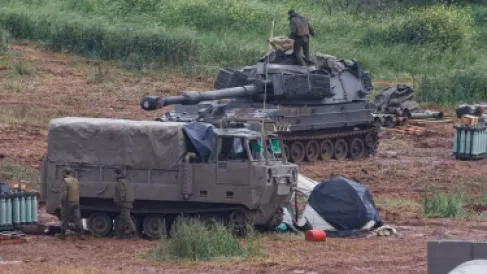
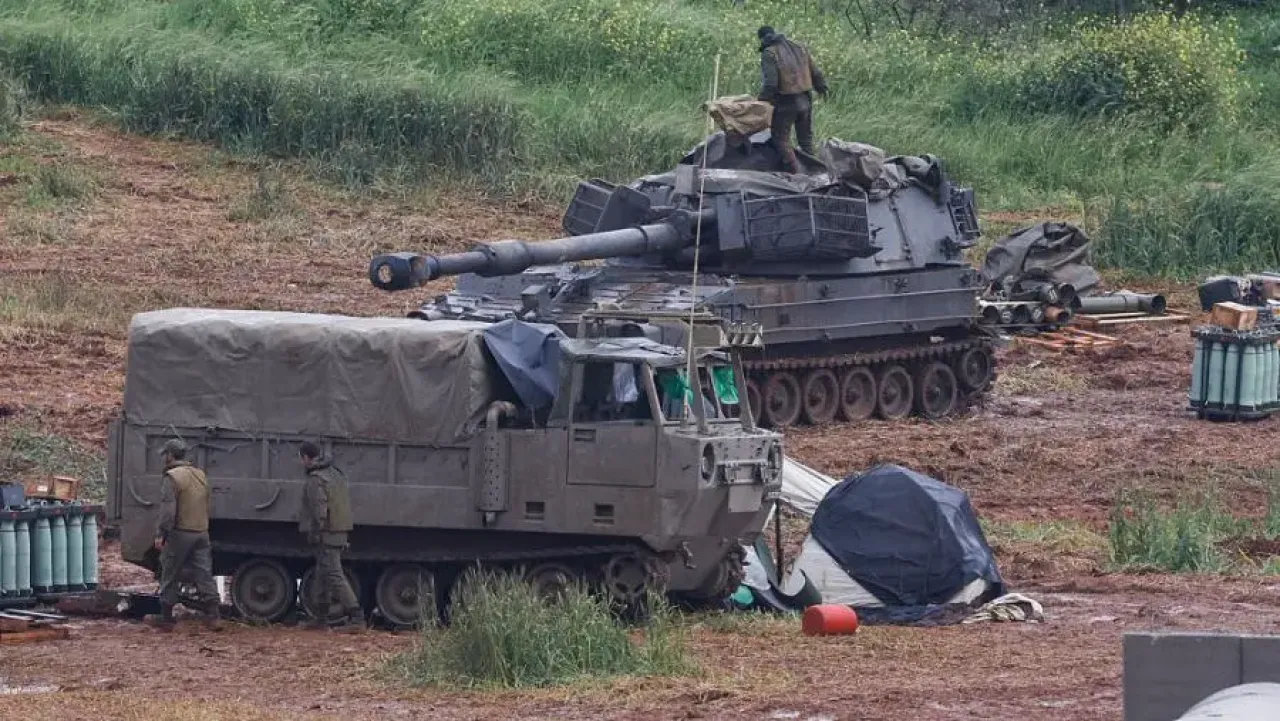
Information indicates that the confrontations included intensive gunfire, while an Israeli tank was directly hit by an anti-tank missile, suggesting that the Israeli force fell into a well-planned ambush.
Fighting continued during the evacuation operations, with additional rockets fired towards the Israeli forces.
With this, the death toll of the Israeli army since resuming its operations in southern Lebanon on March 2nd has risen to ten, along with more than 260 wounded, including several serious injuries.
This incident marks the highest number of fatalities in a single event since the beginning of the ground incursion.
Hezbollah tactics increase the cost of confrontation
This development reflects the escalating challenges faced by Israeli occupation forces as they advance into Lebanese territory.
Military analysts point out that the increase in losses is linked to the use of effective field weapons by Hezbollah, especially anti-tank missiles targeting military vehicles, in addition to mortar shells and conventional rockets, which limits the maneuverability of Israeli forces and increases the cost of operations.
Following the attack, the Israeli army conducted intense air raids on the area where the clashes occurred, in an attempt to contain the situation and prevent a repeat of the attack.
Reports also mention a tendency within the Israeli security establishment to expand operations, including the destruction of additional border villages and establishing military points within the south.
Field data indicate that the current phase of military operations is moving towards further escalation and complexity, with an increasing pace of direct clashes and rising losses among Israeli forces, amidst the ongoing incursion into southern Lebanon.