Khaberni - Living with a life partner involves not only sharing a house and lifestyle, but also exchanging microscopic organisms that live inside the body.
These organisms, which include bacteria, viruses, and fungi, collectively known as the "human microbiome," play a crucial role in supporting health. This system forms from birth through human interaction with the mother, and later evolves through social relationships, especially with close people.
Studies suggest that partners may share about 30% of gut bacteria, reflecting the significant impact of cohabitation on the microbiome composition.
Gut Microbiome
Diet and lifestyle are among the most significant factors affecting gut bacteria, but living with a partner also plays an important role. Research has shown that couples living together share between 13% and 30% of their gut bacteria, even when the diet's influence is excluded.
These individuals also enjoy a greater microbial diversity compared to people living alone, which is associated with a reduced risk of irritable bowel syndrome, heart disease, and elevated blood sugar levels.
However, not all bacteria have the same positive effect; some types, such as "Ruminococcus" bacteria, can be beneficial in some cases, while in other cases they are linked to diseases such as diabetes and irritable bowel syndrome, reflecting the complex relationship between the microbiome and health.
Oral Microbiome
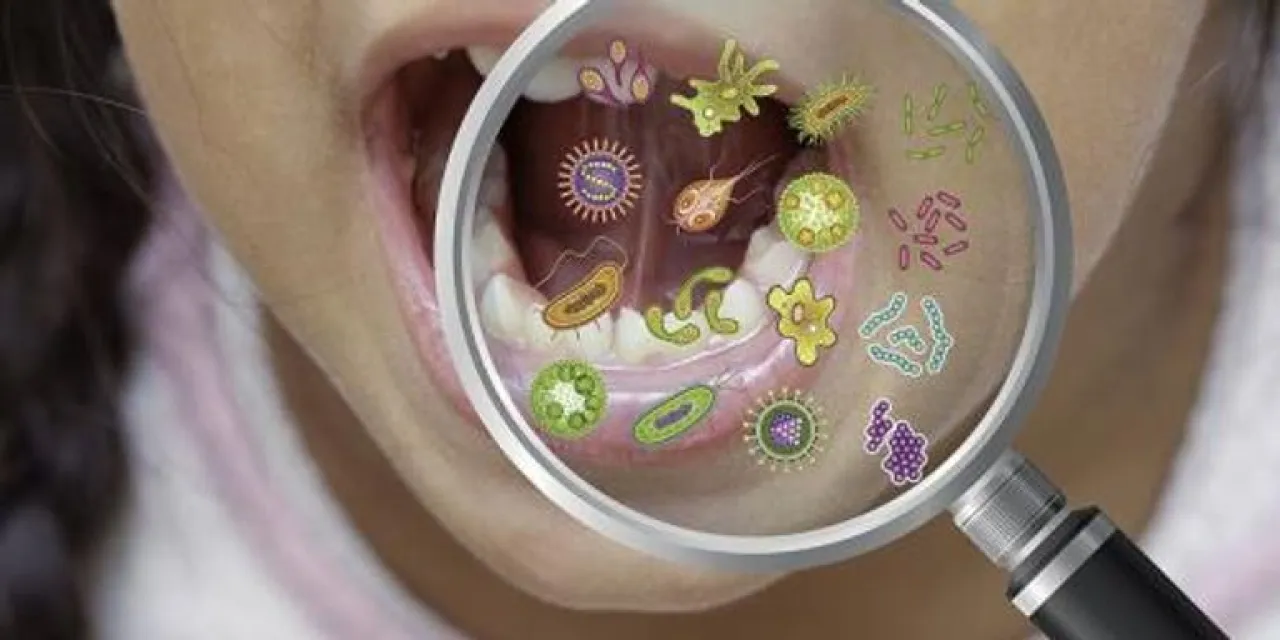
Exchanging oral bacteria seems intuitive among partners, especially with kissing, as a 10-second kiss can transfer up to 80 million bacteria.
Studies show that couples living together share about 38% of oral bacteria, compared to only 3% for those who do not live together. A healthy oral microbiome contributes to preventing dental decay and reducing inflammation, and its effects may extend to the gut and nervous system.
However, some of these bacteria might be harmful, such as types of "Neisseria," which can cause meningitis, although other types might play a protective role.
Skin Microbiome
The skin microbiome is the most unique microbiome for each individual, resembling a "microbial fingerprint" unique to them, yet it is greatly influenced by direct contact with a partner and even pets.
Researchers have found that couples share a large percentage of skin bacteria, reaching up to 35% in the feet and 17.5% on the eyelids. Sharing a bed and surrounding environment also contributes to this similarity, even without direct contact.
Research indicates that humans leave bacterial traces on everything they touch, facilitating the transfer of these organisms among individuals and the environment.
What does kissing have to do with bacteria?
While sharing bacteria between couples may seem concerning, it is often natural and harmless. These organisms help fight infection, improve digestion, and produce important nutrients.
However, more studies are still needed to fully understand the impact of this microbial exchange on health, especially in the long term.