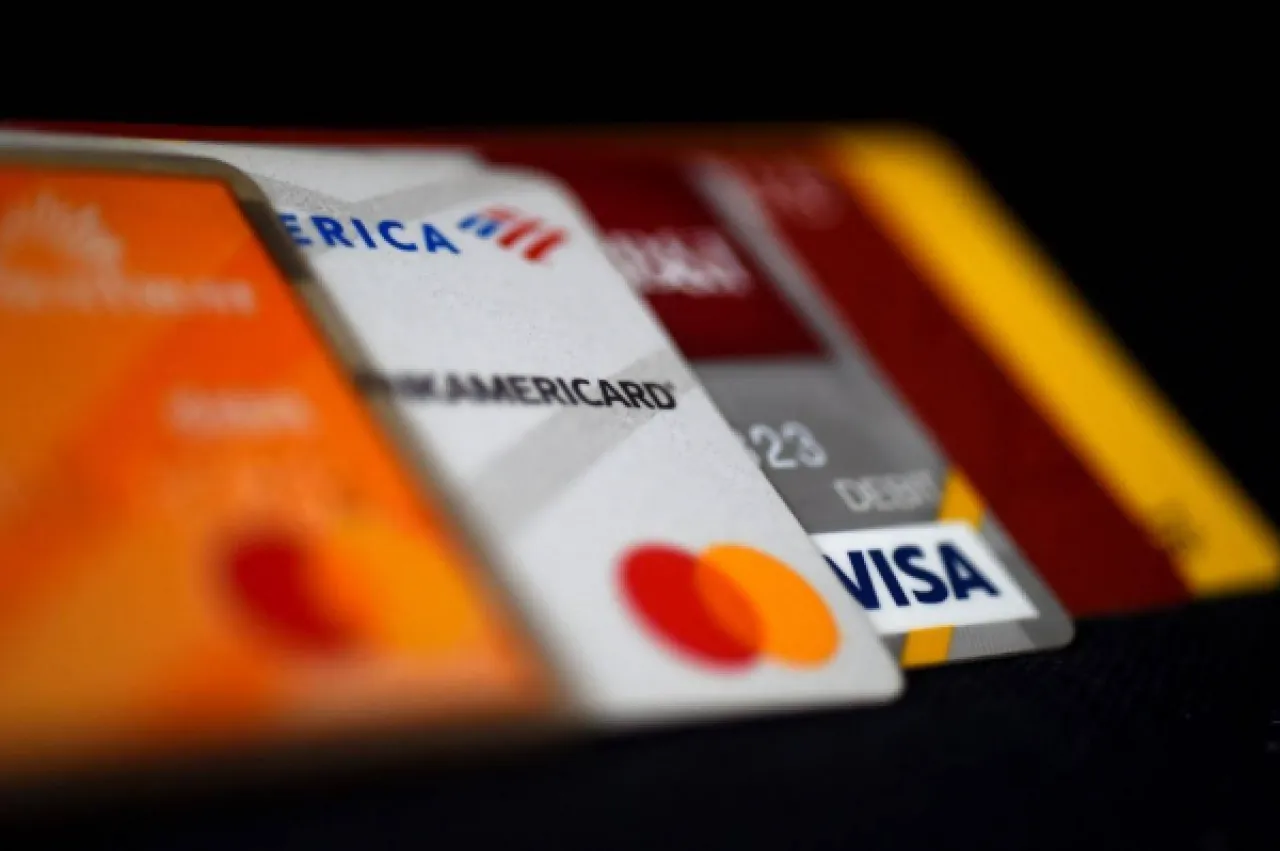
Khaberni - The heads of major British banks are preparing to hold the first meeting to establish a national alternative to the American payment networks "Visa" and "Mastercard", in a step that reflects the growing concern over the near-total reliance on systems owned by the United States for managing payments within the United Kingdom.
The meeting, chaired by the CEO of UK operations at Barclays Vim Maru, will bring together financiers from "the City" who will bear the costs of establishing a new payments company aimed at ensuring the continuous operation of the British economy in case the American networks are disrupted for any reason.
According to data from the British "Payment Systems Regulator", about 95 percent of card transactions in the United Kingdom go through "Visa" and "Mastercard", a dominance that becomes more sensitive amid the ongoing decline in cash use.
Geopolitical concerns
Although the idea of creating a local payment system has been proposed for years, recent geopolitical tensions and statements by US President Donald Trump regarding "NATO" allies have revived concerns about the possibility of using financial infrastructure as a political pressure tool.
One of the executives informed about the project told the "Guardian" newspaper that the disruption of "Visa" or "Mastercard" "would take us back to the 1950s", when the economy was entirely dependent on cash, adding, "We need a sovereign payment system".
The experience of Russia after US sanctions, which led to the suspension of services by the two companies there, has heightened these concerns, as consumers faced difficulties in accessing their money and completing transactions.
Government support… and American participation
The new initiative, known as Delivery Co, is supported by the government, while financiers from "the City" are responsible for establishing the legal structure, leadership plans, and financing models.
The Bank of England (the British central bank) is expected to present the technical infrastructure plans next year, with the system to be ready by 2030.
Interestingly, "Visa" and "Mastercard" are among the group of financiers already, alongside major financial institutions like "Standard UK", "NatWest", "Nationwide", and "Lloyds Banking", in addition to "Link" ATM network, and the Coventry Building Society.
The deputy governor of the Bank of England, Sarah Breeden, confirmed that the presence of an "additional payment path" could enhance the resilience of the financial system against cybersecurity and operational risks, without directly mentioning political threats.
In contrast, "Visa" and "Mastercard" welcomed the competition, affirming their commitment to the British market and their readiness to support secure and flexible digital payment solutions.
Between sovereignty and integration
Although London adopts a less harsh tone compared to some voices in the European Union, where officials have called for the creation of a "European Airbus for payments", the British step reflects a broader trend to rethink reliance on cross-border financial infrastructure.
The challenge remains in achieving a balance between enhancing financial sovereignty and maintaining integration with the global payment system, at a time when geopolitical geography has become a significant factor in major economic decisions.