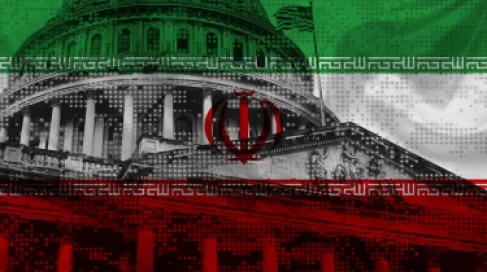
Khaberni - The politician and renowned American negotiator Aaron David Miller revealed 7 main obstacles that jeopardize the negotiation process between the United States and Iran to reach an agreement to halt the war.
In a post on his "X" platform account, the famous American politician and negotiator stated that negotiations between the United States and Iran will be "extremely difficult," and listed seven main reasons that complicate the agreement under current circumstances.
Miller explained that these seven reasons are: "complete lack of trust between the two parties," "scattered decision-making process within Iran," where decisions are distributed among the Supreme Leader, the Revolutionary Guard, the government, and the parliament, in addition to "the nature of the issues themselves" which include the nuclear dossier, ballistic missiles, regional influence, and support for proxies.
He added that among these reasons are also: "the security of Iranian decision-makers," who fear being seen internally as conceding under American pressure, and "Iran's possession of significant leverage," such as control over the Strait of Hormuz, its influence in the region, and its ability to escalate.
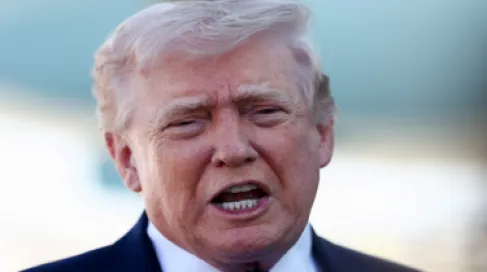
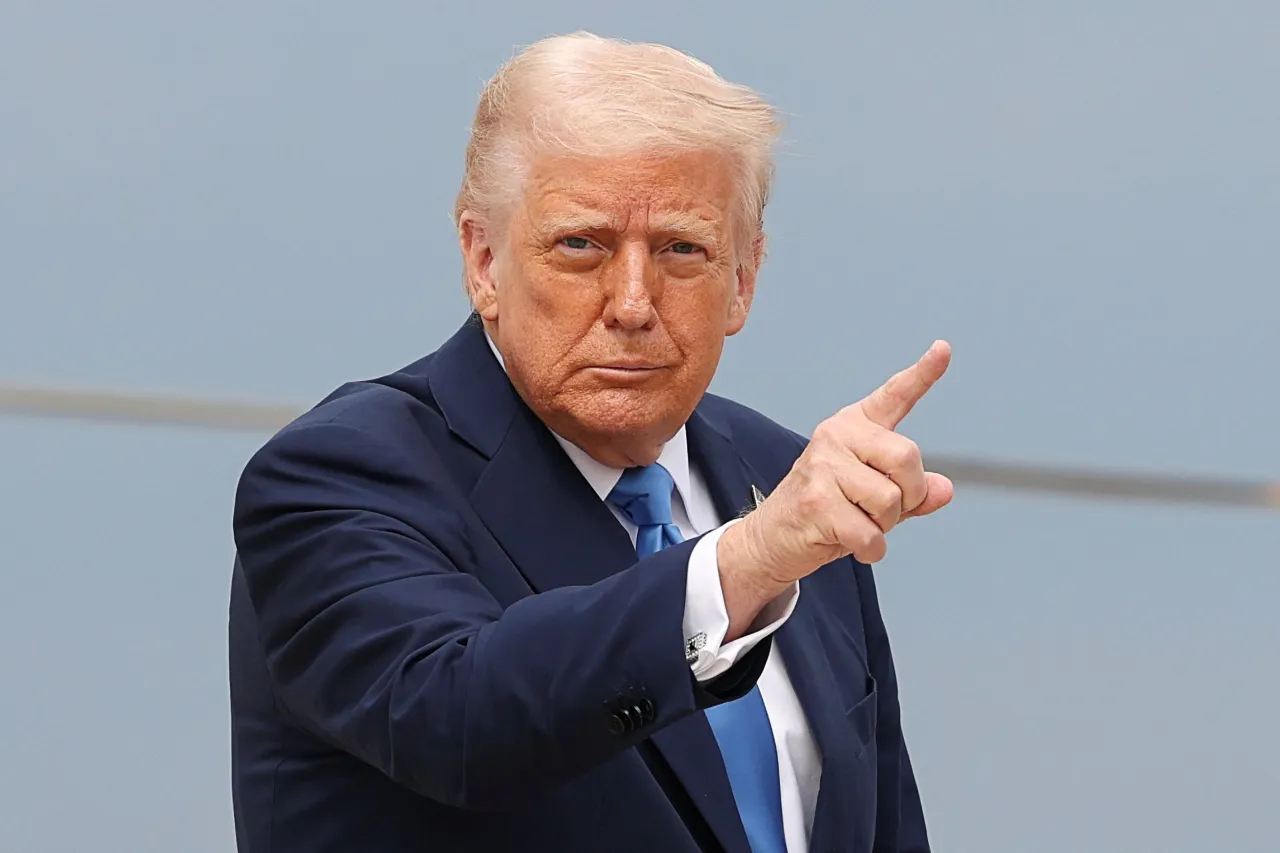
He indicated that among these reasons is President Donald Trump's view of the negotiations as "I win and you lose" and not as "win-win" negotiations, in addition to the collision of red lines between the parties, where it is difficult for each side to offer substantial concessions without losing face.
Miller emphasized that these seven factors combined make any potential negotiations between Washington and Tehran fraught with risks and difficulties, despite talks about the possibility of indirect or even direct dialogue in the coming period.
Aaron David Miller is one of the foremost American experts in Middle Eastern affairs, having held senior positions as a negotiator and advisor in the U.S. State Department for decades in both Republican and Democratic administrations, participated in Arab-Israeli peace negotiations, and currently works as a senior fellow at the Carnegie Endowment for International Peace.
His statements come in the context of the recent military escalation between the United States and Israel on one side, and Iran on the other, which began on February 28, amid talks about the possibility of opening dialogue channels to de-escalate.
Miller has always warned of the difficulty in dealing with the Iranian regime due to its complex structure and the historic lack of trust between the sides since the hostage crisis in 1979 and Trump's withdrawal from the nuclear deal in 2018.