Khaberni - A new daily pill promises significant improvements in heart disease prevention after showing strong results in reducing harmful cholesterol levels in patients during extensive clinical trials.
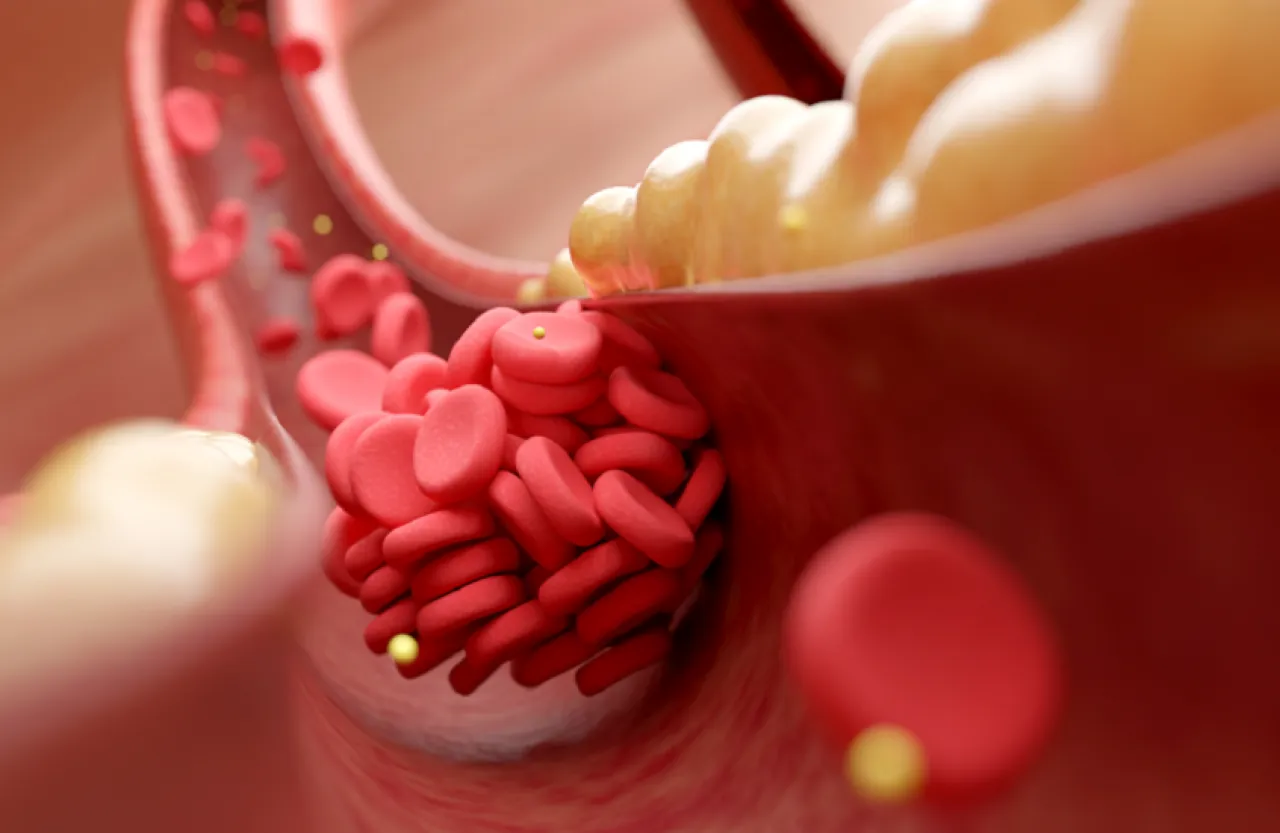
Harmful cholesterol is one of the main factors that leads to the accumulation of deposits inside the arteries over time, increasing the likelihood of heart attacks and strokes.
The experimental pill, which is taken once daily, showed a reduction in harmful cholesterol (LDL) levels by about 60%, which may help reduce the risk of heart attacks and strokes for millions of people at risk.
These results came after the drug passed the third phase of clinical trials, recording one of the largest reductions in harmful cholesterol (LDL) levels for an orally administered drug since the introduction of statins.
The drug, known as "Enlisted," works in a manner similar to some injectable treatments used in cholesterol reduction, but it is offered in pill form, making it easier for patients, especially those who have difficulty adhering to current treatments or achieving targeted cholesterol levels despite taking high doses of statins.
Dr. Ann Marie Navar, a cardiologist at the South Western Texas Medical Center and the principal researcher in the study, said that currently less than half of patients with cardiovascular and arteriosclerotic diseases can reach the target levels of harmful cholesterol. She added that the availability of an oral treatment this effective could greatly improve efforts to prevent heart attacks and strokes on a large scale.
According to "New England" medical journal, about 3000 people participated in this trial, most of whom were already taking statins, but they still suffered from high levels of harmful cholesterol (LDL).
The results showed that after 24 weeks, the levels of harmful cholesterol in those who took "Enlisted" decreased by about 60% compared to those who received a placebo, with these benefits continuing for up to a year.
The researchers believe that taking the drug in the form of a single daily pill could facilitate access to treatment and eliminate practical barriers, such as difficulties in visiting clinics or dealing with injectable treatments, especially for patients who are short on time or face challenges in adhering to treatment.
Despite these promising results, the "Enlisted" drug is still under trial and needs regulatory approval before it becomes available for medical use and can be prescribed by doctors.
An additional study is currently underway to verify whether the significant reduction in harmful cholesterol levels actually translates into reduced rates of heart attacks and strokes, not just improved laboratory test results.