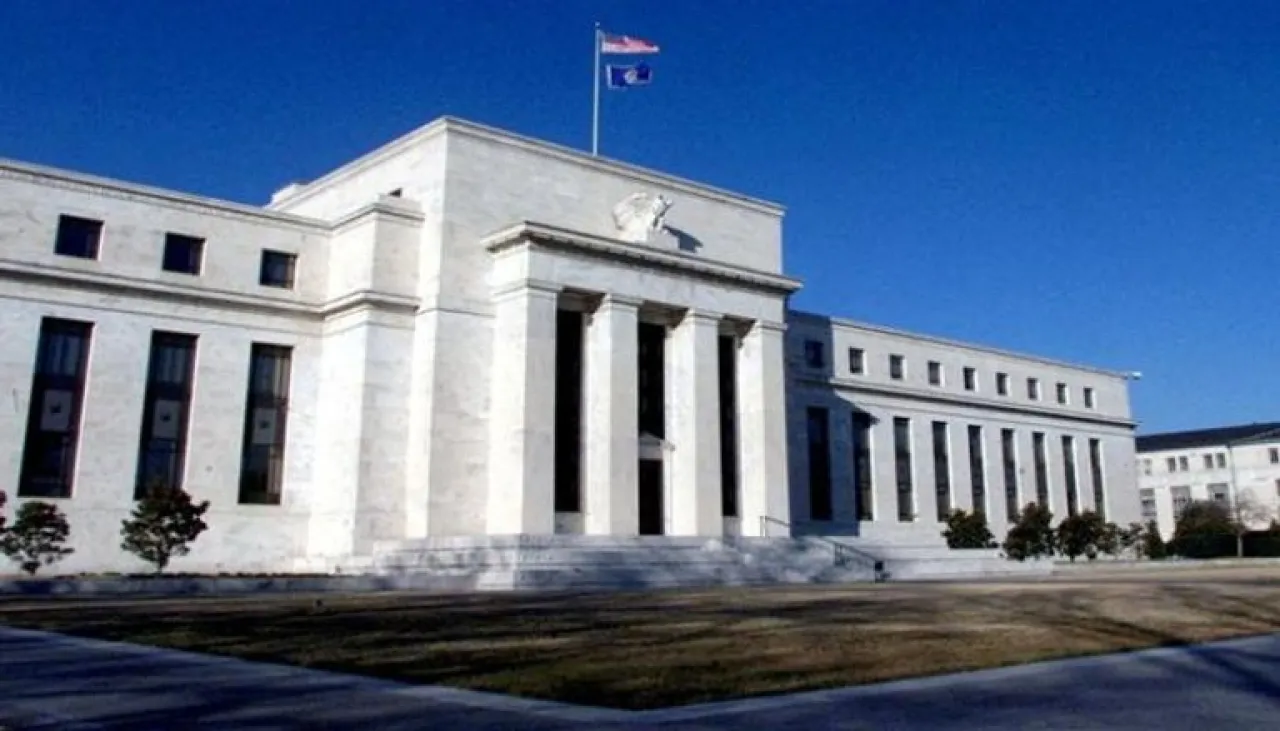
Khaberni - The Federal Reserve began its two-day meeting on Tuesday, with expectations of keeping interest rates unchanged, amid weak economic data and assessing the repercussions of the U.S.-Israeli war on Iran.
The committee responsible for setting interest rates faces a challenge between curbing high inflation and dealing with weak job markets. The war is also expected to impact the U.S. economy through rising oil prices and supply chain disruptions.
According to "France Press," gasoline prices in the United States have risen by about 27% since the war began, according to the American Automobile Association index, while fears of continued inflationary pressures globally persist.
Analysts have warned of potential disruptions in supply chains and a shortage of oil due to the war, which could lead to a slowdown in economic growth.
The Federal Reserve and other central banks tend to overlook the effects of inflation caused by short-term price shocks, but it is unclear how long the war in Iran will last.
Recent data has shown a slowdown in economic growth and an increase in unemployment rates, prompting markets to reduce their expectations for interest rate cuts to only once this year.
The Federal Reserve had cut interest rates three times last year, but they remain higher than the level demanded by President Donald Trump, who has continued to criticize Chairman Jerome Powell.
Chairman Powell's term is scheduled to end next May, and Trump has nominated Kevin Warsh to succeed him, pending Senate approval.
Central banks in advanced markets, such as the Federal Reserve (the U.S. central bank), face a challenging task of balancing growth and inflation and increasing political pressures.
The escalating crisis in the Middle East has radically changed the outlook for global central banks, as the massive supply shock has resulted in a difficult trade-off between supporting growth and combating inflation.
The Managing Director of the International Monetary Fund, Kristalina Georgieva, warned on Monday that every 10% increase in oil prices, if it persists most of the year, would be met by a rise in global inflation by 40 basis points.
She said during a seminar in Tokyo, "We are witnessing a new test of the economy's resilience in the face of a new conflict in the Middle East." She added, "My advice to policymakers in this new global climate is to think about the unthinkable and prepare for it."