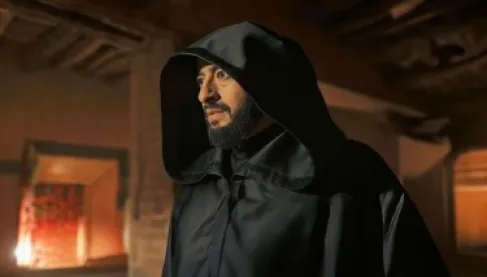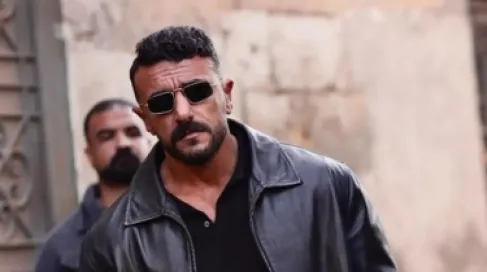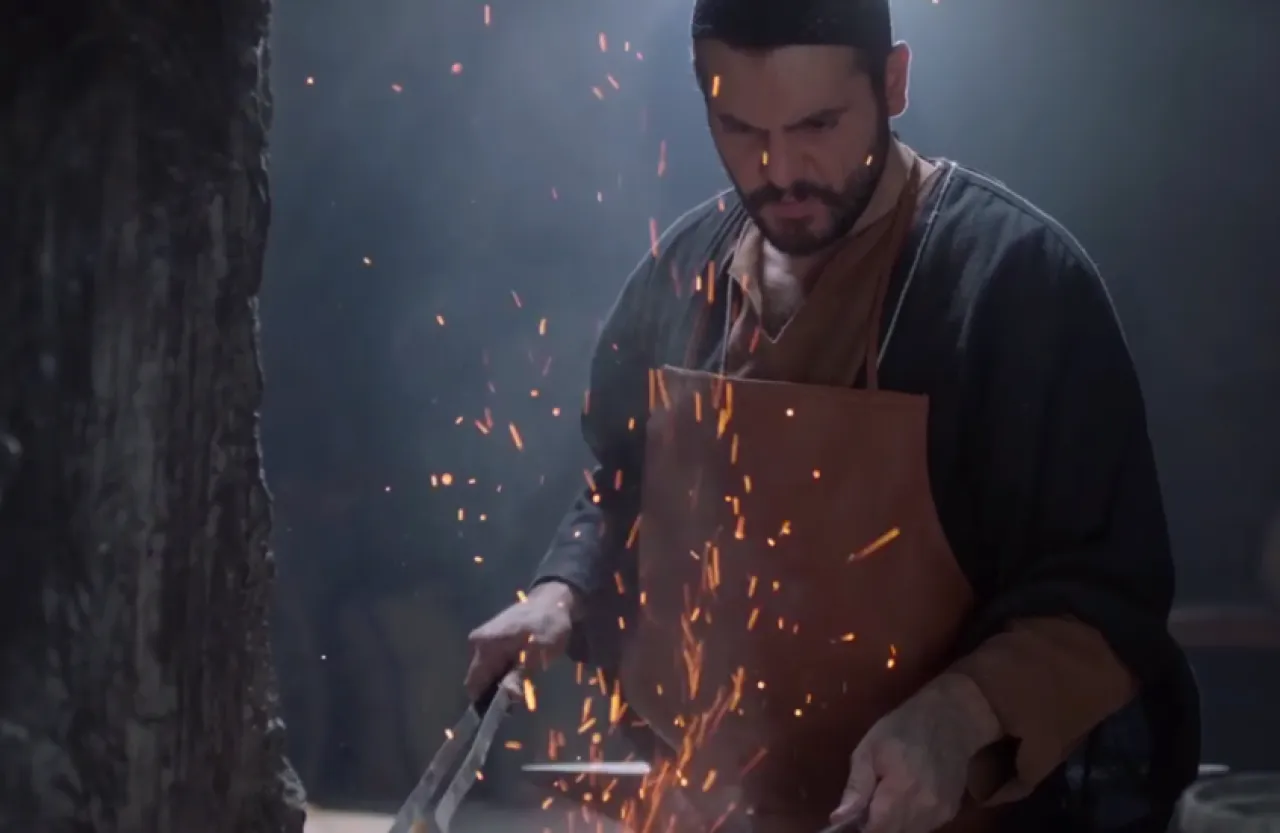
Khaberni - The Orphan series comes among the works that return to the space of the Damascene environment, offering a dramatic tale in which human fates intersect with atmospheres of suspense and mystery.
The work is directed by Tamer Ishaq and written by Qasim Alweis, gathering a group of Syrian drama stars in a story distributed across several dramatic lines that interlock their events within a traditional community governed by family relationships and social conflicts.
Through this narrative structure, the series attempts to rejuvenate the spirit of the traditional Damascene folklore, relying on elements of suspense and dramatic escalation, in addition to using flashbacks to uncover past threads that control the fates of the characters in the present.
The Successful Formula of Damascene Drama
In his reading of the work, director Zuheir Qannoue believes that popular Damascene drama is based on a precise equation that combines dramatic enjoyment with simplicity and moral and human dimensions. According to his view, the audience in this type of series looks for interesting stories and characters that are close to reality, without being overly complex or contrived.
Qannoue points out that director Tamer Ishaq has successfully presented this equation skillfully, where he managed to forge a work that blends suspense, entertaining and romantic tales, and moral values, within an attractive dramatic format that avoids exaggeration or pretentiousness.
Although the story of the orphan may seem at first similar to many tales known in Damascene drama, the way it is crafted reveals a writer with a smart narrative sense, in addition to a director who well understands the keys to this type of drama and its secrets.
Qannoue confirms that the series has revived his enthusiasm for following a Damascene work after a period associated in the audience's memory with works by the late director Bassam Al Mulla, reflecting the work's ability to restore some of the appeal of this genre of drama.
Acting Performance That Solidifies the Story's Credibility
Qannoue pays special attention to the acting performance in the work, noting that the series includes a large number of stars who have delivered high levels of craftsmanship. This diversity in acting talents has reflected on all elements of the work, making it cohesive in its overall performance.
Qannoue highlights the performance of actor Samer Ismail, who portrays the character "Arsan," considering him a new model for the folk hero in Damascene drama. The character was not presented in an exaggerated heroic mold, but appeared with a degree of spontaneity and honesty, which gave it a clear human presence and made it closer to reality.
This balanced performance made the character appear, according to Qannoue’s description, as a real "flesh and blood" person, which contributed to enhancing the credibility of the story and bringing it closer to the viewer's heart.
Return to the Fantasy of the Damascene Environment
Journalist critic Aamna Malhem sees the series as a notable return for director Tamer Ishaq to the world of the fantasy of the Damascene environment, a field he previously excelled in through works such as Warda Shamiah and Zqaq Al Jen.
Malhem points out that the work regains some of the visual splendor for which Ishaq is known, where the directorial treatment tends to create atmospheres charged with suspense and strangeness, within a visual frame that aims to entertain and evoke the spirit of the folk tale.
She notes the dramatic text written by Qasim Alweis for its multiple narrative lines, with a relative distribution of protagonism among the characters. This distribution lends the narrative clear vitality and prevents the monopolization of the story by a single character, creating a network of interconnected relationships that drive events forward.
Between the Strength of the Narrative and Some Dramatic Flaws
While praising the overall structure of the work, Malhem points out that the multiple dramatic lines are not without some gaps in the plot. In her view, some narrative arcs, such as the one linked to the character "Wissal" and her marriage to a fiancé whom she has never seen before, are not sufficiently tight, while her sister appears in a more open relationship with her fiancé, without a clear dramatic explanation for this contradiction.
Malhem also addresses a flaw related to the age of the character "Arsan" during his childhood, where the child appears older than is presumed in the story, which conflicts with the idea of one of the characters later becoming his wet nurse.
However, Malhem sees these observations as not detracting from the engaging dramatic dose the series offers, especially with the noticeable escalation in events and the use of flashbacks that add layers of mystery to the story.
Arsan… The Center of Dramatic Gravity
Malhem emphasizes that one of the most captivating dramatic lines in the work involves the character "Arsan," played by actress Shukran Murtaja and the family that raised him, along with his relationship with the leader's daughter.
In this particular path, the actors appear with a high degree of professionalism and genuine adoption of the characters, giving it a clear dramatic weight and making it one of the most impactful parts of the work.
Shaping the Folk Tale
Between director Zuheir Qannoue's reading and critic Aamna Malhem's vision, it appears that The Orphan series has succeeded in presenting a dramatic experience that carries elements of entertainment and suspense, based on strong acting performance and visual construction that evokes the spirit of the Damascene tale.
Despite some dramatic flaws that are inherent in most lengthy works, the series maintains an escalating narrative rhythm and the ability to captivate the audience, confirming that Damascene drama is still capable of renewal when it has a clear directorial vision and a text capable of reimagining the folk tale in a contemporary spirit.