Khaberni - Dr. Gail Tiers, the person responsible for the health screening center in Poitiers, France, has issued an urgent call to encourage citizens to undergo a simple and free test for early detection of colon and rectal cancer, affirming that early detection allows recovery in 9 out of 10 cases.
This initiative is part of the national "Blue March" awareness campaign which aims to raise early detection rates among men and women, especially those aged between 50 and 74, in an attempt to reduce the toll of the second most deadly cancer type in France.
The French newspaper "La Nouvelle République" states that a free and easy-to-use home test can detect early stages of colon and rectal cancer, which is one of the most deadly types of cancer and could save thousands of lives.
The French paper explained that Dr. Gail Tiers, the head of the health screening center in Poitiers, urges everyone to overcome hesitancy and embarrassment to get this test done, confirming that early detection allows recovery in nine out of ten cases.
The French health insurance funds have launched an awareness campaign titled "Blue March", aiming to encourage people to undergo early screenings for colon and rectal cancer, a disease that affects both men and women equally.
Dr. Gail Tiers, the head of the health screening center in Poitiers, emphasizes that awareness is not limited to the month of March but continues throughout the year, associating specific colors with different cancer awareness campaigns, such as "Pink October" for breast cancer and the lesser-known "Green June" for cervical cancer.
As part of these campaigns, the national health insurance sends screening invitations to insured individuals within the target age group. In 2025, 119,183 people received an invitation to take the test, while in 2026, the number was about 118,171 people.
The program includes individuals aged 50 to 74 who do not have a previous medical history related to polyps in the colon or similar conditions before reaching age fifty.
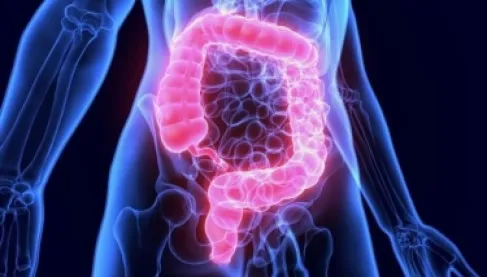
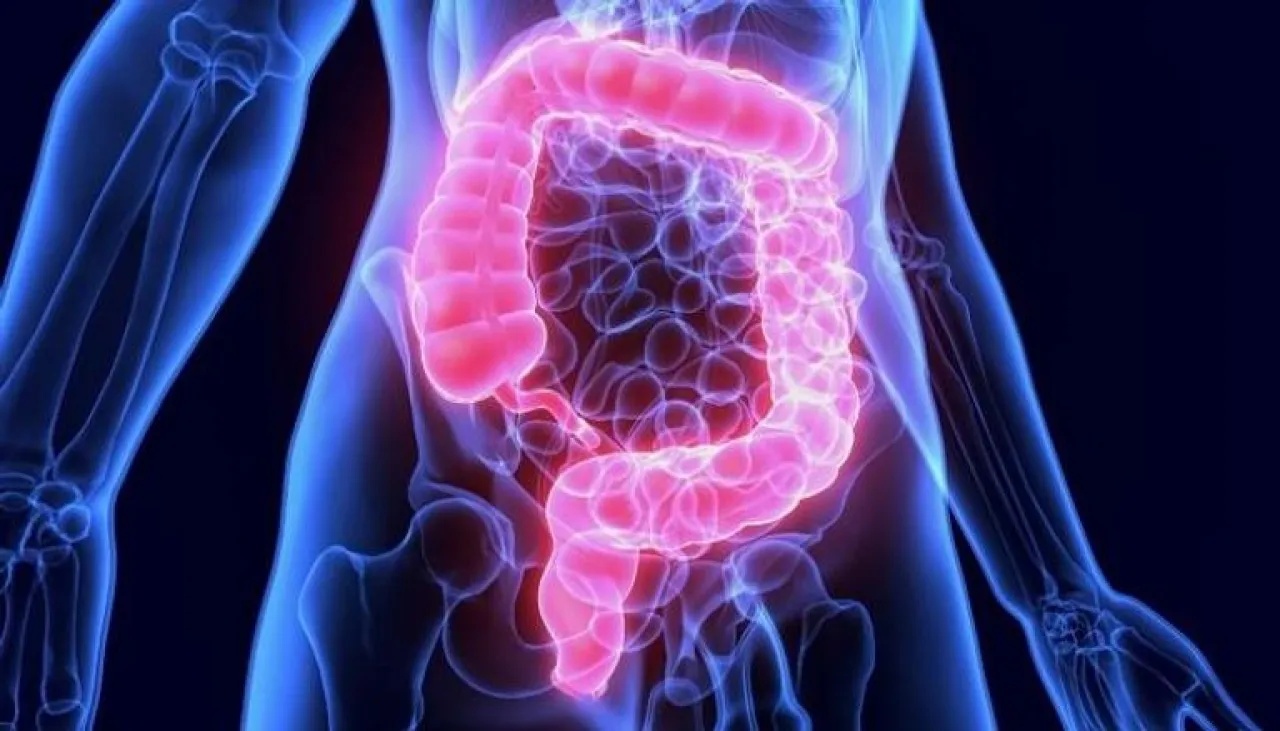
The doctor explains that there are signs that might indicate the possibility of colon and rectal cancer, including a significant change in bowel movements, the appearance of bright red blood in the stool, or the presence of dark blood with a strongly odorous stool, which can indicate that the blood has been digested. These signs might be indicators of the presence of polyps in the colon. She adds that this type of cancer is characterized by slow development, whether the polyps are benign or malignant, which gives doctors a substantial opportunity for early intervention. If the disease is detected in its early stages, the chances of recovery are about 90 percent.
Despite the simplicity of the test, many people still hesitate to take it because it requires taking a stool sample at home, which some find embarrassing or uncomfortable. Dr. Tiers explains that this hesitation is often due to a misunderstanding, as some believe the procedure involves a colonoscopy, whereas it is actually a simple test that can be easily performed at home, supported by explanatory videos that detail the steps.
Currently, the percentage of those who undergo this test is about 37.34 percent, while health authorities aim to increase this rate to 65% by 2030. The test is suggested to be carried out every two years for eligible individuals, with reminders sent every six months to those who have yet to do it.
As for obtaining the test kit, it is usually available from family doctors, who have a list of patients eligible for the test.
It can also be obtained from gastroenterologists, gynecologists, or pharmacists.
Last year, pharmacists in the Vienne department distributed 16,832 test kits, and about 75 percent, or 12,612 people, actually carried out the test.
A new regulation issued on March 10, 2026, allows independent nurses to also provide these kits. Additionally, it has become possible to order them directly online, and 1,742 people in the department chose this method.
The doctor notes that 96 percent of the test results are negative, indicating that there is no issue.
However, for the remaining four percent that test positive, this does not necessarily mean the presence of cancer or even polyps, but rather just calls for further examinations. In such cases, the doctor will direct the patient for a colonoscopy or consult a specialist for further assessment.
Statistics show that Vienne department registers slightly better participation rates than the national average in performing this test, with a participation rate of 37.34 percent compared to 36.17 percent nationally. These figures represent a clear improvement compared to 2024, when the rate did not exceed 28.92 percent.
Health authorities are currently working to increase the uptake of the test using several methods, including updating doctor databases, sending reminders to citizens, facilitating online kit ordering, along with media awareness campaigns, and involving pharmacists and nurses in the distribution process. Particularly, there is a focus on reaching the more vulnerable segments or those who are distant from health services through direct communication campaigns with citizens.
The numbers indicate that colon and rectal cancer is the second leading cause of cancer death in France, with about 47,000 new cases registered annually, and the number of deaths associated with it is around 17,000 each year. It is also the third most common cancer among men and the second most common in women.
In the conclusion of her speech, Dr. Gail Tiers asserts that the community has a real opportunity to combat this disease, as the screening is available for free and does not require any upfront costs, urging everyone to take advantage of this opportunity and take care of their health before it's too late.