Khaberni - Some people suffer from gallbladder issues or gallstones, and fasting during Ramadan may raise questions about its impact on symptoms, particularly with changing meal times and an increase in fatty meals after iftar.
Doctors indicate that fasting could be possible for gallbladder patients in many cases, but the quality of food after iftar plays a key role in reducing pain episodes.
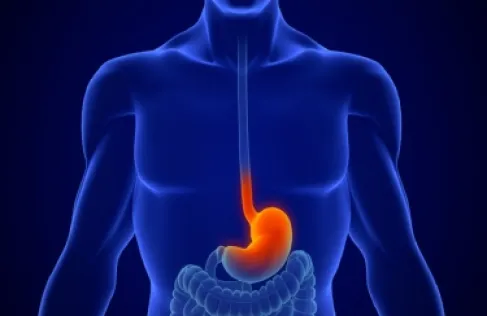
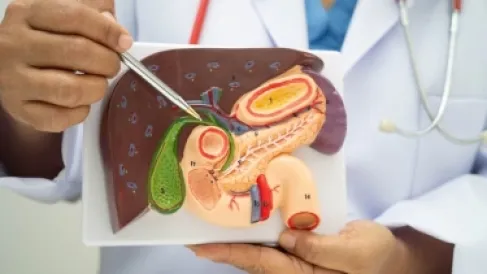
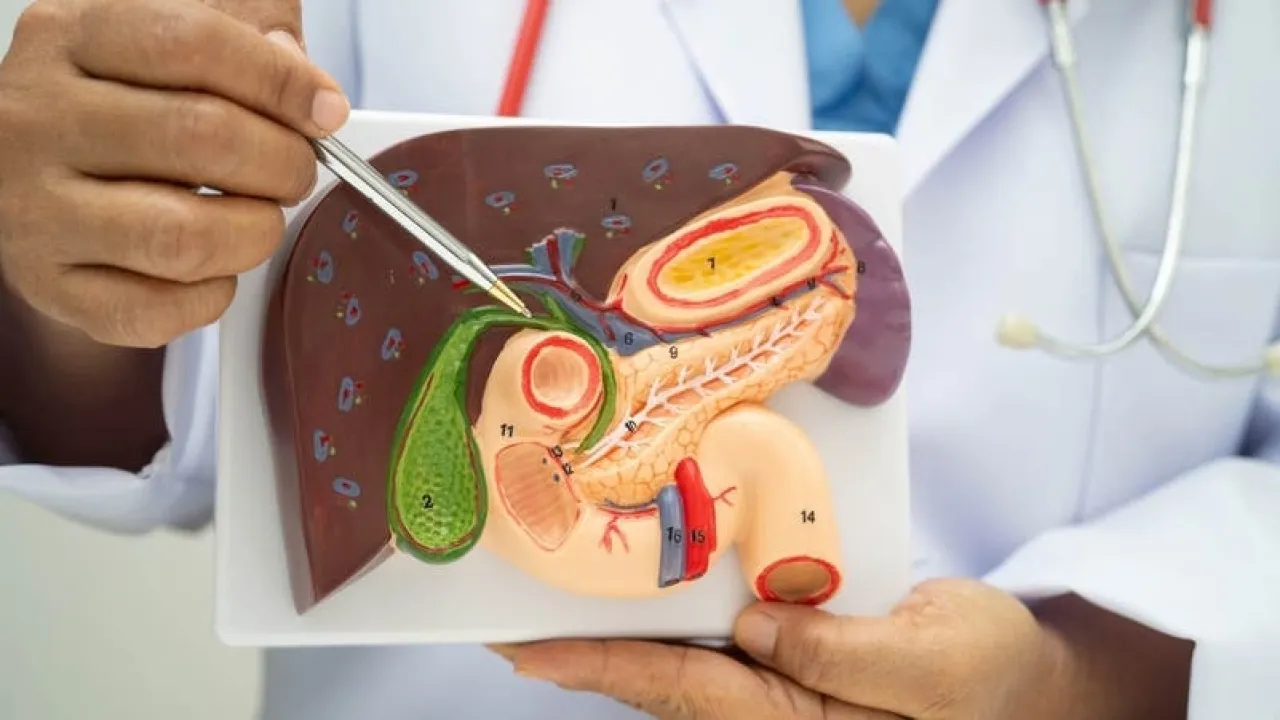
The gallbladder is a small organ located beneath the liver, whose function is to store bile that helps digest fats. When consuming a fatty meal, the gallbladder contracts to secrete bile. If there are stones in the gallbladder, this contraction may move them, causing severe pain in the upper abdomen and nausea or vomiting, and pain that may extend to the shoulder or back, which is why pain episodes are often associated with fatty meals.
Does fasting increase gallbladder episodes?
Fasting itself does not cause gallstones, but the problem may arise when an individual has a large, fatty iftar meal, or consumes a lot of fried foods and fats, or eats quickly after long hours of fasting. These factors could stimulate a strong contraction of the gallbladder and increase the likelihood of pain.
To reduce the risk of gallbladder attacks, doctors recommend avoiding or reducing fried foods, fatty meats, fast food, as well as large amounts of butter, ghee, and rich sweets. It is also preferable not to overeat immediately after iftar.
Conversely, it is preferable to choose light, low-fat foods such as: fresh or cooked vegetables, fruits, whole grains, and white meats like grilled chicken or fish, and low-fat dairy products. These foods help reduce pressure on the gallbladder during digestion.
Tips for Gallbladder Patients in Ramadan
To reduce the risk of pain, doctors advise starting iftar with a light meal, then splitting the food into two or three meals between iftar and suhoor, reducing fats in meals, drinking enough water, and avoiding eating large amounts of food at once.
If a patient suffers from frequent or severe pain episodes, they may need to consult a doctor before fasting, especially if the stones cause complications.
In conclusion, gallbladder patients can fast in many cases, but choosing the right food after iftar is the most important factor in avoiding pain. Light, low-fat meals and avoiding fried foods help reduce gallbladder episodes during the month of Ramadan.