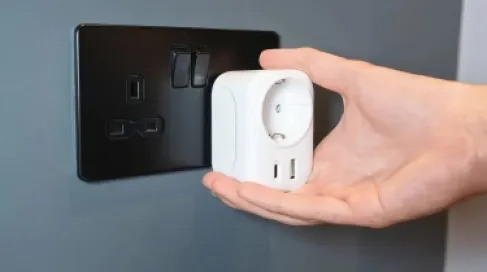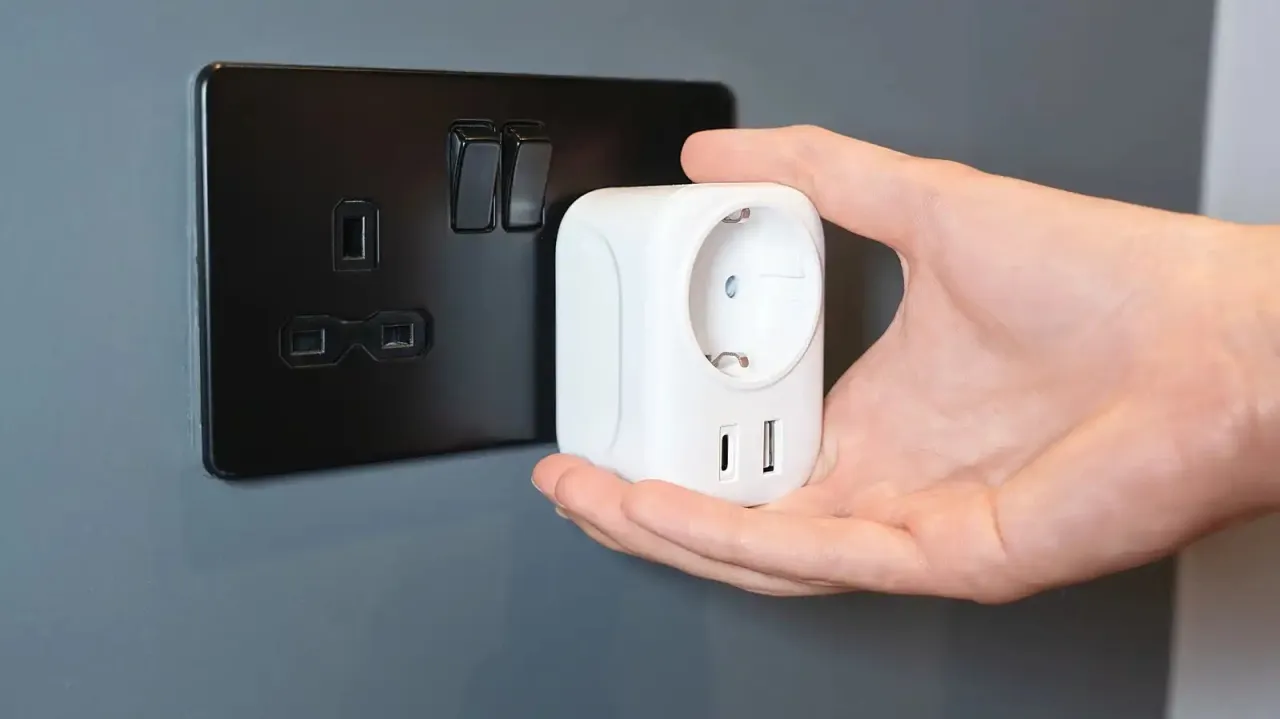
Khaberni - With the widespread use of smart home technologies, smart plugs have become a popular choice for controlling electrical devices remotely with ease and efficiency. As reliance on them increases, an important question arises for users: Do these devices consume electricity even when they are turned off?
In recent years, smart plugs have transformed into one of the most prominent tools in smart homes, allowing users to turn devices on or off remotely via smartphone apps or through voice assistants like "Alexa" and "Google Home".
However, despite their ease of use and benefits, many wonder whether these plugs continue to consume electricity even when they seem to be turned off, which raises concerns related to energy efficiency and electricity bills.
Standby Mode
When the smart plug is in standby mode, it does not completely disconnect from electricity. Many of these devices continue to draw a small amount of power known as phantom power or standby power, just to stay ready to receive commands through Wi-Fi or wireless networks.
According to experts, most smart plugs consume between one and five watts while they appear to be off, which is a minimal consumption compared to other devices but it is not zero.
This small amount of power used to maintain an internet or Wi-Fi connection exists in many connected devices, not just smart plugs, and it appears when the device is ready to respond but not completely turned off.
Electricity Bill
In most cases, experts say that this small consumption will not significantly impact the monthly or annual electricity bill if you use just a few smart plugs.
However, the report indicates that this consumption can accumulate if you have several smart plugs at home, making it wise to monitor the number of these devices and perhaps use types with lower power in standby mode.
Energy-Saving Tips
For those keen on conserving energy, some useful practices can be followed, such as choosing smart plugs with low energy consumption in the off mode, or using auto on/off schedules to minimize unnecessary standby times.
If the control functions are not needed, the plug can be manually unplugged to reduce any unnecessary energy consumption.
In Conclusion
Smart plugs largely consume a small amount of electricity even when they are off, in order to maintain their readiness for smart functions.
Although this consumption typically does not represent a significant burden in itself, awareness of it helps users plan better for energy use in smart homes.