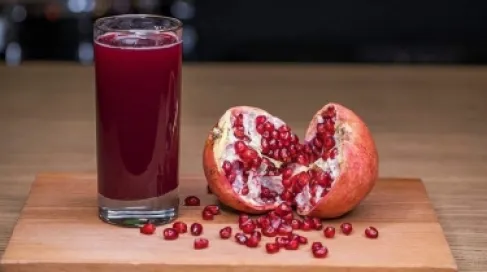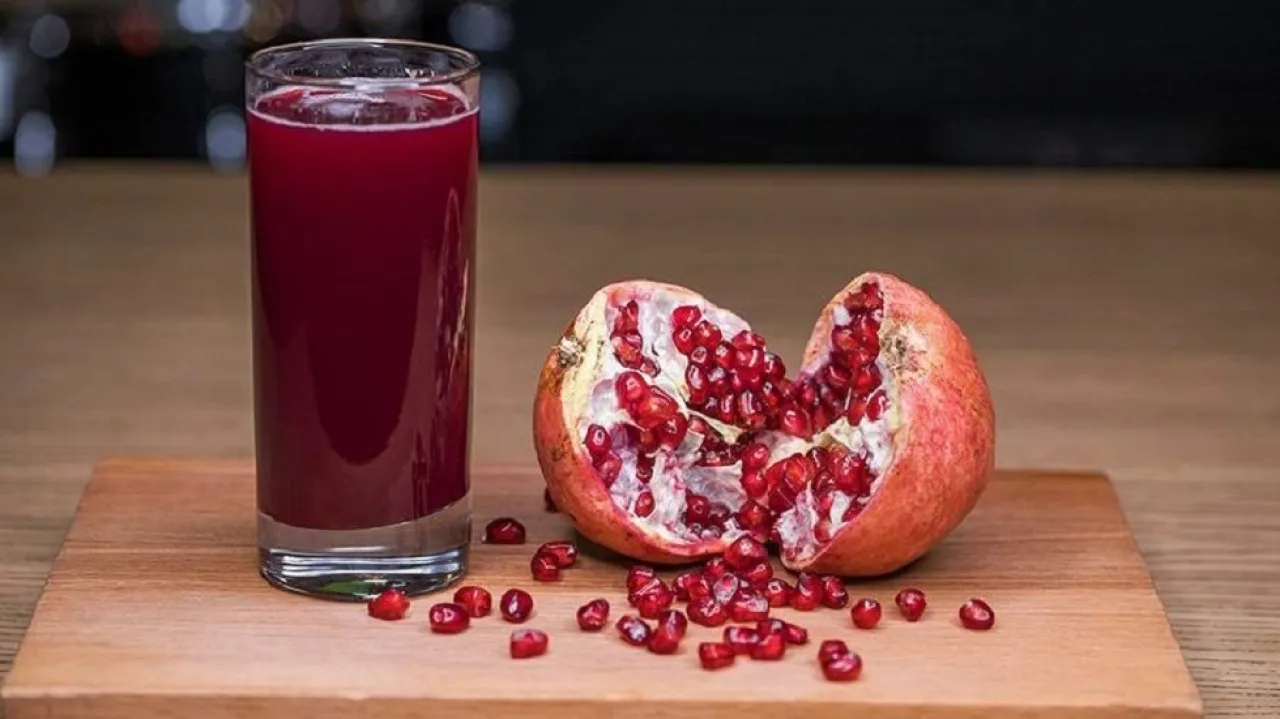
Khaberni - Pomegranate juice is considered one of the natural drinks rich in nutrients, containing a variety of vitamins and minerals that support various body functions. However, experts confirm that achieving maximum benefit from it requires balanced consumption and adherence to certain health guidelines.
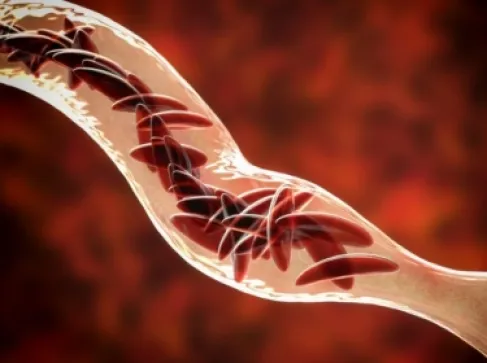
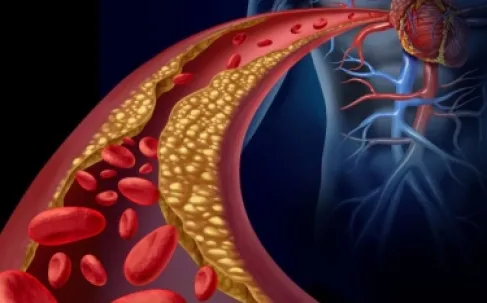
Pomegranate juice is distinguished by its high content of antioxidants, especially polyphenol compounds, which help protect cells from oxidative stress and slow down the signs of aging. Health recommendations also indicate its role in supporting heart and vascular health by helping to lower bad cholesterol levels and enhancing the flexibility of blood vessels. The juice boosts the immune system with its good vitamin C content, in addition to aiding digestion due to its tannins, which may help soothe some stomach disorders, as well as supporting blood formation as it is a source of iron and has anti-inflammatory properties.
Specialists recommend diluting pomegranate juice with water before consumption, as it is naturally concentrated and has a tart taste. Dilution helps reduce the impact of acids on tooth enamel, decrease the likelihood of erosion and the risk of decay, as well as lessen stomach irritation for those suffering from acidity or digestive disorders, and contribute to reducing the concentration of natural sugars, which helps regulate blood sugar levels. It is usually recommended to dilute it with boiled and cooled water or mineral water at a ratio ranging from one to one or one to two.
Despite its benefits, experts emphasize the need for caution in certain groups, as its high acidity may exacerbate symptoms of gastritis or ulcers, and tannins might increase constipation severity in those affected by it. Diabetics should be mindful of its natural sugar content, and those allergic to pomegranate should avoid it, as well as not offering it to children under the age of one due to potential gastric irritation. Pregnant women are advised not to overconsume it to avoid possible stomach contractions.