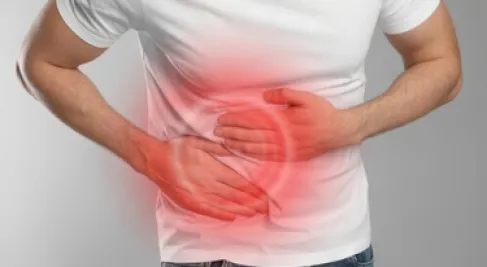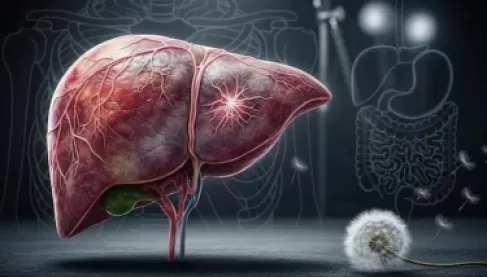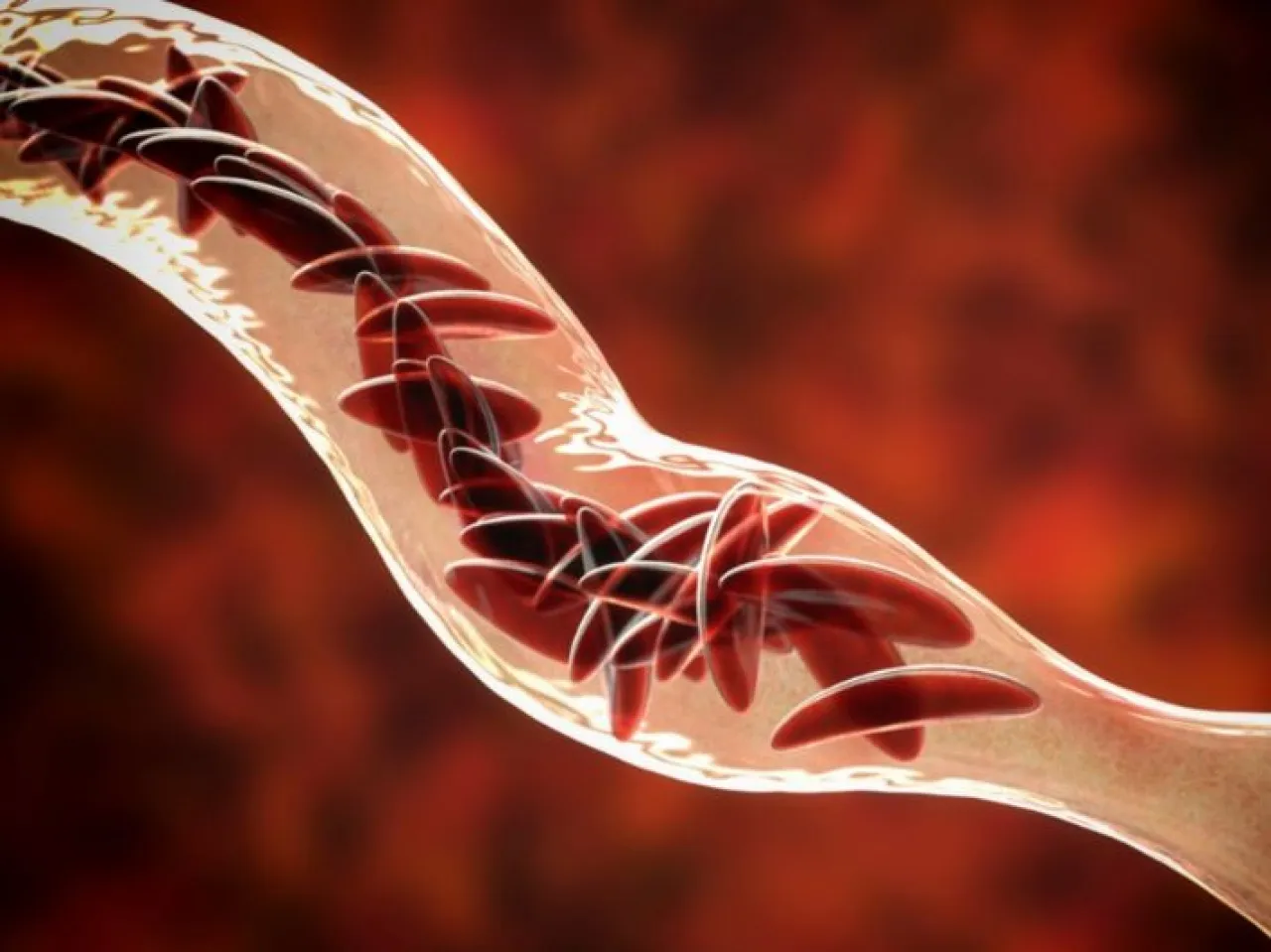
Khaberni - Anemia is a medical condition resulting from a decrease in hemoglobin levels in the blood, leading to symptoms such as fatigue, headaches, shortness of breath, pale skin, heart palpitations, and low blood pressure. With the arrival of Ramadan, many patients wonder about the possibility of fasting safely.
In this regard, doctors from the Saudi German Hospital indicate that patients with hemoglobin levels below 6 g/dL are not advised to fast due to the risk of complications, while those with levels above 6 g/dL can fast after consulting a doctor and monitoring their health condition.
To ensure a healthy fast, anemia patients are advised to follow precise dietary guidelines. It is important to include plant sources of iron such as legumes, lentils, beans, and dark leafy vegetables in both Iftar and Suhoor meals. It is also preferable to consume animal sources of iron such as liver, red meats, fish, and eggs, as they are absorbed more efficiently in the body.
To enhance iron absorption, it is advised to add lemon juice to salads and foods, due to its richness in vitamin C which helps improve intestinal absorption. On the other hand, it is advisable to avoid carbonated and caffeine-containing drinks such as coffee and tea immediately after meals, as they may hinder iron absorption.
Experts say that not neglecting the Suhoor meal is essential, as it supplies the body with necessary nutrients and helps maintain a stable level of hemoglobin during fasting hours. It is also recommended to start the Iftar meal with dates due to their nutrient-rich content that supports energy.
The foundation remains regular medical follow-up and listening to the body's signals to ensure a safe and healthy fast during the holy month.