Khaberni - Ramadan may be an opportunity for self-discipline, peace promotion, and embedding lofty religious values, but at the same time, it represents an important occasion to support environmental sustainability and reduce the carbon footprint from food chains, through adopting more conscious and responsible consumption patterns.
In this context, I reached out to Nihad Awad, Global Campaigns and Communications Coordinator at «Ummah for Earth» project, to discuss ways to make the Ramadan table more sustainable, and to reduce its environmental impact.
Can fasting contribute to reducing the carbon footprint?
Fasting can be a helpful factor in reducing the dietary carbon footprint, but this largely depends on how food is consumed and prepared during the holy month. If reducing eating hours is accompanied by a real decrease in the amount of food consumed, it may lead to reduced demand for food production, and thus lower associated emissions.
She points out that food production is responsible for about one-third of global greenhouse gas emissions, making any changes in consumption patterns significantly impactful.
What habits increase the carbon footprint during Ramadan?
Many traditional meals in Ramadan, especially in the Middle East and North Africa region, rely heavily on meats. The livestock sector is one of the major sources of emissions, particularly methane gas, in addition to its impact on land use.
Moreover, excessive food preparation, especially in large gatherings, leads to increased food waste and accumulation of garbage, in addition to the consumption of meat-rich dishes, which raises the carbon footprint instead of reducing it.
How can iftar meals be made more sustainable?
Reducing the carbon footprint begins with relying more on plant-based alternatives instead of meat. Also, cooking in thoughtful quantities, preserving leftovers, or donating excess food can significantly reduce environmental impact.
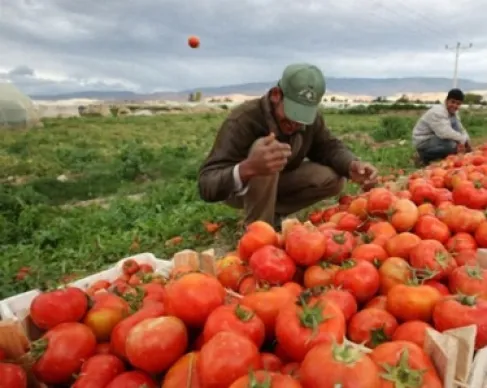
I also advise opting for local and seasonal products, and reducing consumption of imported and packaged foods, which contributes to lower emissions from transportation and packaging.
It is also important to reduce the use of single-use plastics, and replacing them with reusable tableware, to decrease waste and plastic pollution and the emissions associated with the production and disposal of plastics.
What is your environmental message during the month of fasting?
Fasting can contribute to reducing the carbon footprint only when coupled with conscious consumption, waste reduction, and reducing meat consumption. However, if Ramadan turns into a month of excessive eating, the environmental impact may instead increase.
Ramadan is not only an opportunity for spiritual discipline, but can also be a time for environmental commitment, reflecting values of moderation and balance in our relationship with resources and nature.