Khaberni - Every Ramadan, the same complaints recur about fatigue, physical languor, and diminished desire, then a quick judgment summed up in the phrase "It seems that testosterone has dropped due to fasting".
Testosterone is the primary male sex hormone, responsible for the development of male characteristics in a man's body, such as body and facial hair, muscle mass, bone density, and it controls libido and mood.
In popular imagination, hunger hours mean a drop in the "battery of manhood", but when we return to scientific evidence, we do not find that Ramadan fasting destroys the male hormone as some imagine.
The picture is clearer and calmer showing that fasting itself is usually not the problem, but what we do during it, i.e., how we sleep? What do we eat? How do we move? And how do we manage our stress? So, what do the studies actually say?
No hormonal crash
A study published in 2022 in the "Nutrients" journal concluded that intermittent fasting patterns may reduce some androgen indicators -like testosterone- in physically active lean men, but these changes mostly stay within the normal physiological range and have not translated in available studies into a decrease in muscle mass or strength.
As for Ramadan fasting specifically, a study published in 2005 in the "Eastern Mediterranean Health Journal" followed testosterone levels and pituitary hormones in 52 fasting young men, and found a limited decrease that occurs within the physiological framework, without permanent change in the male hormone.
By contrast, studies on acute and chronic caloric restriction -as in very harsh diets and eating disorders- show a significant decrease in testosterone in men, a scenario completely different from Ramadan fasting with balanced iftar and suhoor.
The scientific conclusion is that there is no evidence that disciplined Ramadan fasting causes a "manhood collapse", but there is much stronger evidence that obesity, lack of sleep, and chronic stress are what press on testosterone.
Why do some men feel languid in Ramadan?
Because testosterone is not a fixed number on an analysis paper, its level naturally:
Peaks in the morning.
Declines in the evening.
And is directly affected by sleep, nutrition, and psychological stress.
A study published in 2011 in the "JAMA" (Journal of the American Medical Association) Journal under the title "Effect of sleep restriction on testosterone levels in healthy young men" reduced participants' sleep to about 5 hours a day for a week, showing a significant drop in testosterone, along with a clear decline in energy and vitality.
In Ramadan specifically, what changes in the lives of many men is not the hormone first, but the "stage" around it:
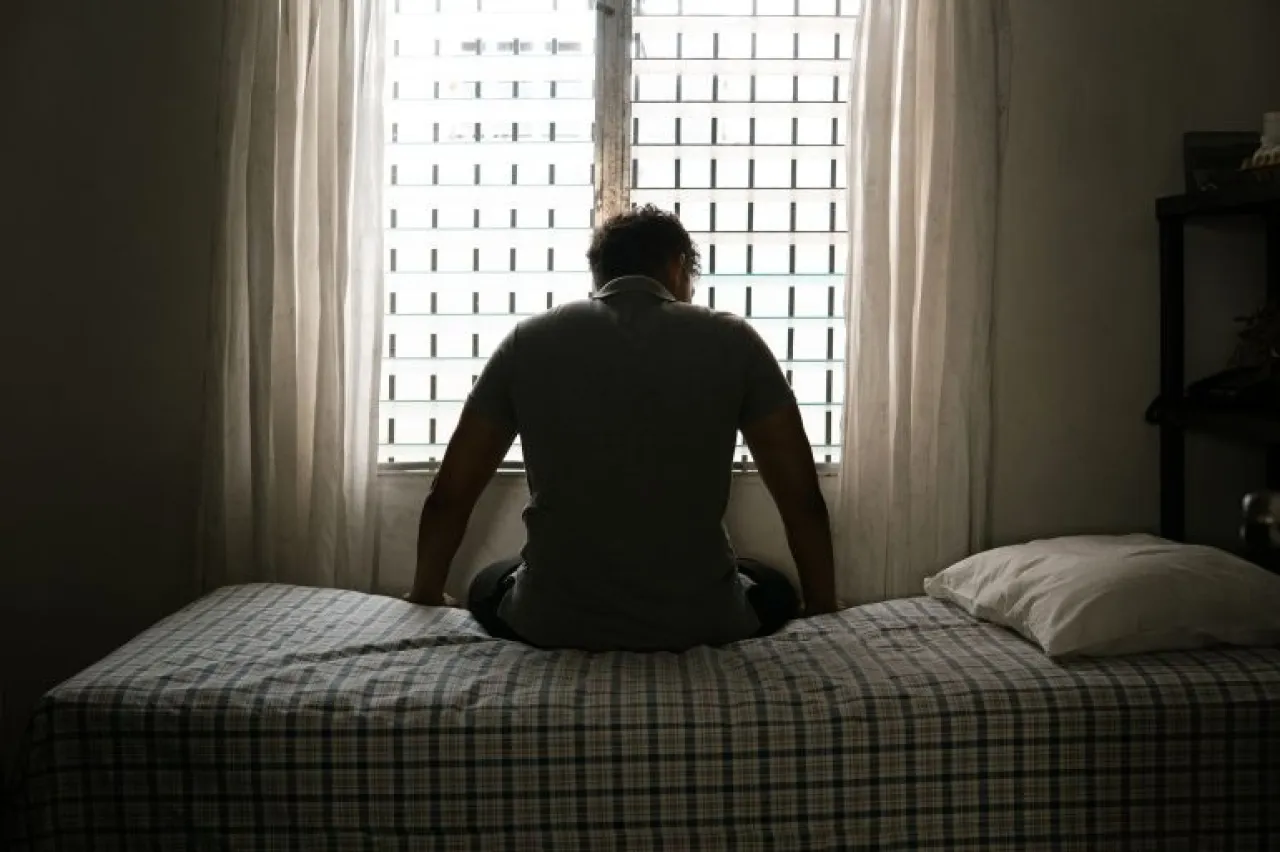
Sleep is scattered between staying up at night and fragmented sleep during the day.
Staying up sometimes extends past dawn.
The consumption of sugars and fried foods increases at night.
Weight may increase instead of decrease.
When these factors are combined, the feeling of fatigue and languor becomes understandable even if testosterone levels are normal. And here the question is "Is the accused fasting or staying up late and lifestyle?".
Belly fat.. the silent enemy of the manhood hormone
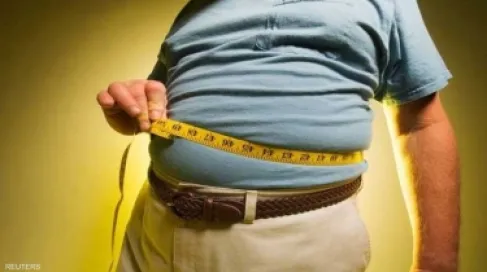
Obesity, especially visceral fats in the abdomen, is not just about appearance, but also a hormonal metabolic issue.
Studies in the "Endocrinology and Metabolism" journal have clarified that visceral fats are associated with increased activity of the aromatase enzyme in fat tissues, which converts part of the testosterone to estrogen and contributes to the reduction of the male hormone.
On the other hand, a recent study published in 2024 in the Cureus journal concluded that weight loss, especially reducing the body mass index and visceral fats, is associated with a significant increase in testosterone levels and improvement in metabolic balance in obese men.
Here appears the Ramadan paradox:
It can be an opportunity to improve weight and metabolic health.
Or a season to accumulate sugars and fried foods at night and increase waist circumference.
Hormonally, belly fat is an active factor that reduces testosterone and raises the risks of diabetes and heart diseases, not just a "pants size".
The four golden rules for protecting your hormones in Ramadan
1- Sleep first.. no manhood without sleep
Deep sleep is the time when the body produces the most testosterone, and when Ramadan nights turn into a series of dramas, screens, coffee, and staying up until dawn, you're practically shutting down the hormone factory in your body.
What can realistically be done?
Aim for about 7 total hours of sleep -night and nap- as much as possible.
Make the deepest part of your sleep before dawn not just after.
Reduce screens and stimulants in the hours leading up to sleep.
Without sufficient and regular sleep, no supplements or herbs will compensate for the deficiency.
2- A smart plate, not an impulsive iftar
What you put on your plate is the "raw material" for your hormones, not just a reward for breaking the hunger. In every iftar and suhoor, ensure:
Enough protein from eggs, dairy, legumes, meats, or chicken not fried.
Healthy fats such as in olive oil, a handful of nuts, or fatty fish like sardines and salmon if possible.
Vegetables and fiber to reduce sugar rush and support satiety.
And make sweets and fried foods an exception, not a rule.
Belly fats silently gained on Ramadan nights could continue lowering testosterone and increasing risks of diabetes and heart disease throughout the year.
3- Resistance exercises.. the iron that preserves your manhood
Reviews in exercise physiology indicate that resistance exercises raise testosterone levels shortly after the session, maintaining muscle mass and insulin sensitivity in the long term.
Conversely, excessive endurance training combined with lack of sleep and energy is associated with increased stress hormones such as cortisol and hormonal imbalance.
In Ramadan, the smart equation is simple:
2-3 resistance sessions weekly are enough.
At a suitable time, preferably about an hour before iftar or two hours after.
With avoiding the combination of long fasting, very intense training, heavy iftar, and staying up till dawn.
4- Reduce stress.. cortisol is not your friend
Chronic psychological stress is linked in psychological and hormonal studies with hormonal axis disturbance and an increase in stress hormones at the expense of other calmer hormones for the man.
In Ramadan, the pressure comes not only from work but also from trying to "succeed in everything" from worship and work to family and relationships in tight timing and different sleep conditions.
Calmness after taraweeh prayers, a warm family...