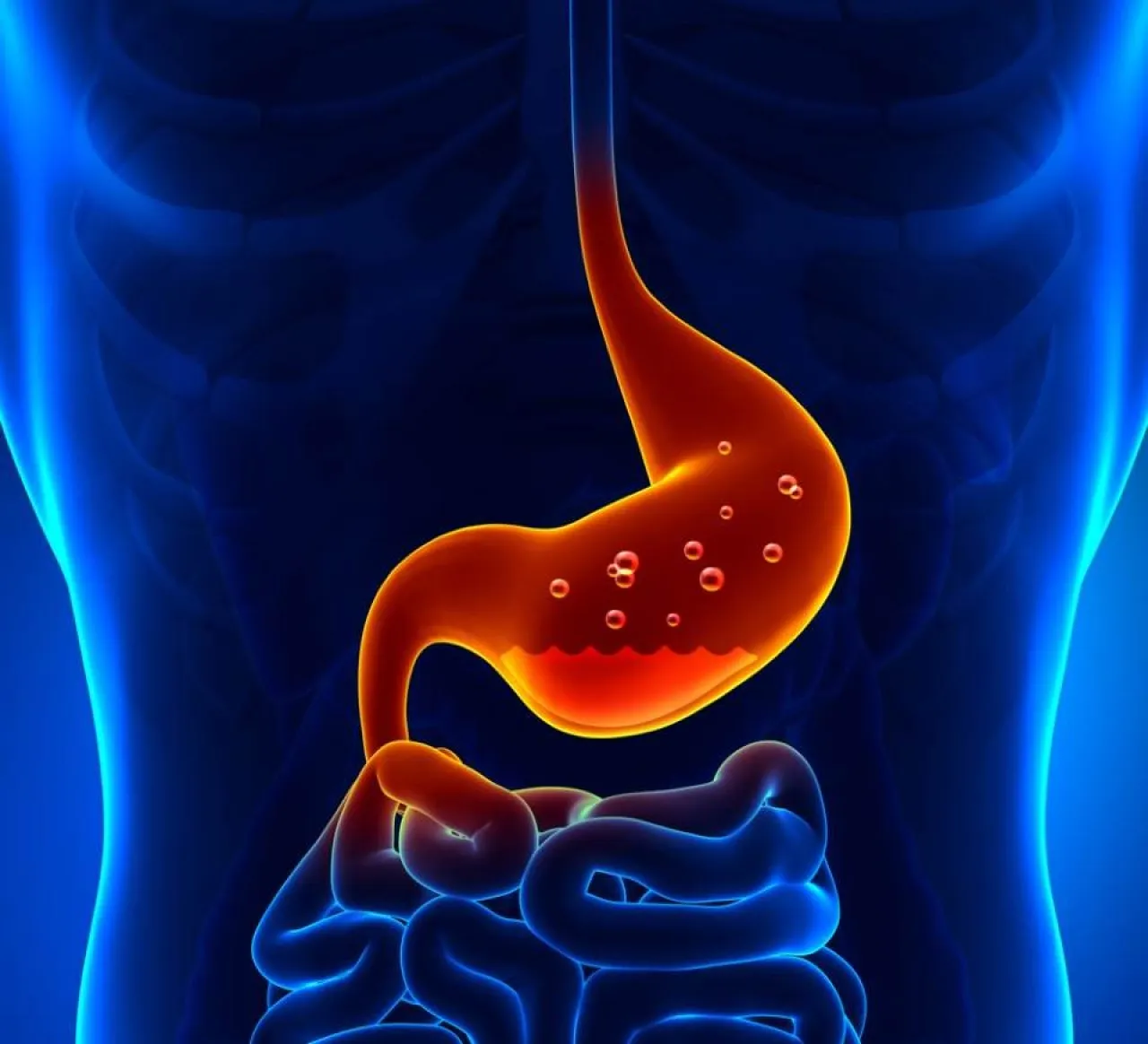
Khaberni - With the advent of the blessed month of Ramadan, some fasting individuals face health challenges related to digestion, including significant issues such as heartburn and acid reflux, a condition that causes a burning sensation in the chest and throat, and may also include bloating and gas.
These symptoms may increase during fasting due to changes in meal patterns, increased stomach acid production, and slow digestion, according to specialized doctors.
Foods that increase heartburn
The causes of this problem vary, such as certain rich or spicy foods and drinks, obesity, smoking, pregnancy, psychological stress, some medications, hiatal hernia, stomach ulcers, and bacterial infections. However, it can be successfully managed during Ramadan through changes in lifestyle and diet, and sometimes medical intervention when necessary.
Tips to reduce heartburn
Choose healthy foods: It is recommended to eat balanced meals that contain complex carbohydrates, light proteins, vegetables, and fruits. Spicy, fatty, and acidic foods that worsen symptoms should be avoided.
Proper hydration: Drinking adequate amounts of water and consuming water-rich foods during the hours of Iftar helps reduce acid reflux.
Avoid overeating: Eating small, frequent meals instead of large, quick meals helps reduce pressure on the stomach.
Adjust sleeping position: Elevating the head and chest using extra pillows helps prevent acid reflux at night.
Follow an appropriate schedule: Avoid lying down immediately after eating, and finish the last meal at least two to three hours before bedtime.
Finally, it is advised to consult a gastroenterologist if symptoms persist, to identify the causes and develop an appropriate treatment plan. Signs of concern include persistent acidity, a sour taste in the mouth, coughing, hoarse voice, abdominal bloating, and nausea.
By adhering to these measures, fasting individuals can enjoy Ramadan with comfort and healthy digestion, without suffering from heartburn or acid reflux.