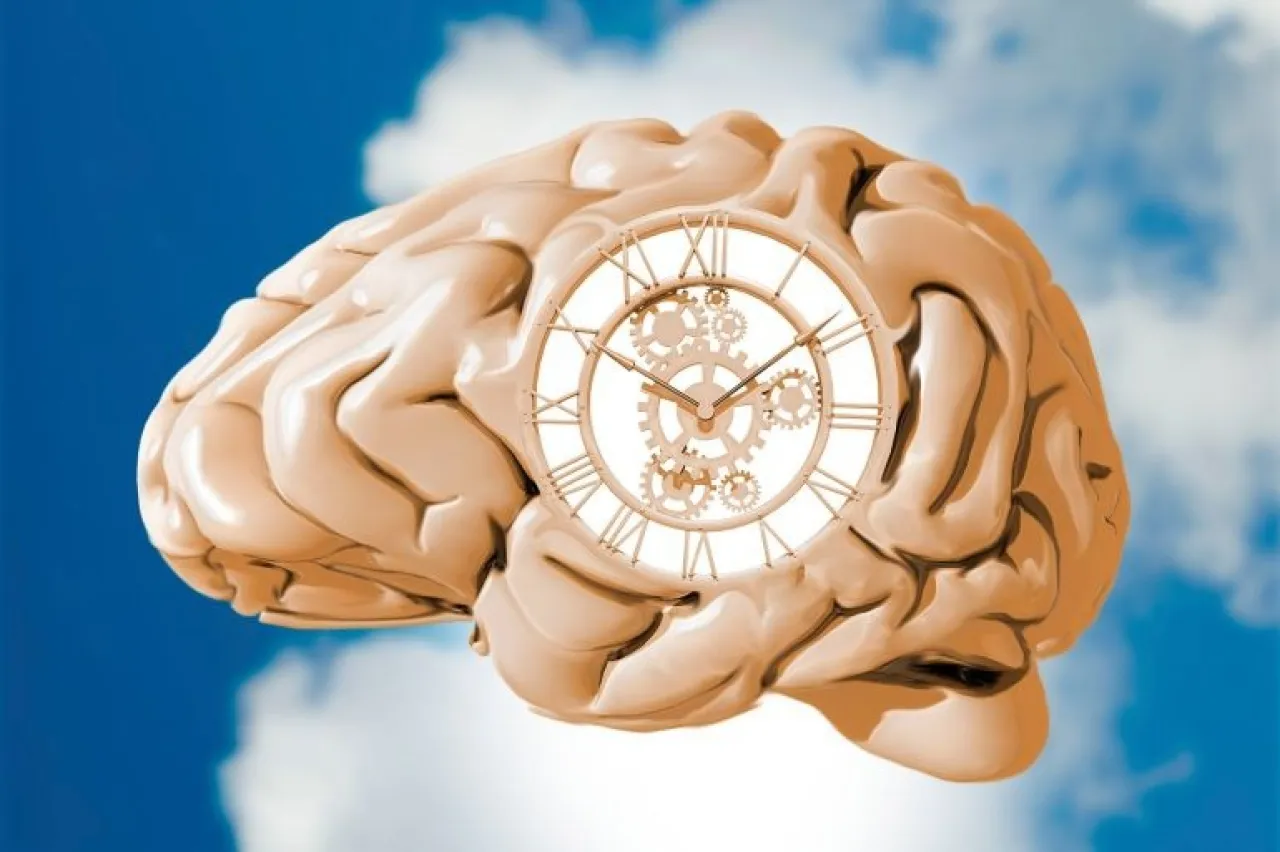
Khaberni—Many believe that sleeping early or staying up late is just a personal habit, but scientists affirm that the matter is related to an internal biological rhythm known as “chronotype” or biological clock, determining when a person feels energetic or sleepy.
With an increase in scientific studies, it is clear that this pattern may affect weight, muscle building, healthy aging, and even the risk of chronic diseases.
Researchers divide humans into three main patterns:
People who prefer to sleep early and wake up early
People who tend to stay up late and wake up late
An intermediate pattern between the two
These differences are not just habits but are linked to genes and daily rhythms that control hormone secretion, energy levels, and metabolism.
The relationship between staying up late and weight gain
Scientific reviews published in medical journals indicate that night owls are more prone to weight gain because they tend to eat late, skip breakfast, and choose unhealthy foods.
A study published in the journal Obesity found that a nighttime pattern is associated with higher body mass index and less healthy dietary behaviors compared to morning people.
Another study in the journal Nature Reviews Endocrinology found that eating during the night negatively affects metabolism and energy burning, increasing the risk of obesity and blood sugar disorders.
When does the body perform at its best?
Research published in the journal Sports Medicine indicates that the biological clock affects physical performance and muscle strength, with morning people performing best during daytime hours, while night owls achieve better results in the evening.
Scientific reviews also show that the nocturnal pattern is associated with sedentary behavior and less physical activity, reflecting weaker muscle strength and overall health.
The biological clock in the hot seat
Numerous studies have linked disruptions in the biological clock with an increased risk of heart disease, diabetes, and depression.
Research from the National Institutes of Health in the United States suggests that disturbances in the daily rhythm may lead to hormonal disorders affecting immunity and lifespan.
Are night owls doomed to obesity and disease?
Researchers confirm that the biological pattern does not necessarily mean a certainty of disease or obesity, but the alignment between sleep patterns, nutrition, and physical activity plays a fundamental role in health.
Scientists advise gradually adjusting the timing of meals and sleep instead of trying to radically change the biological pattern.
Tips for adjusting your biological clock
Keep sleep and wake times as consistent as possible.
Eat meals early and avoid nighttime eating.
Expose yourself to morning sunlight to adjust your daily rhythm.
Regularly engage in physical activity at a time appropriate for your biological pattern